
The Families’ Search for Answers
Five Days at MemorialFamilies move from separation and missing-person searches toward grief, testimony, and sharply different responses to the criminal case.
increasing Bearing strength in each event
 decreasing
Bearing strength in each eventdecreasingGoodbye Before the Storm
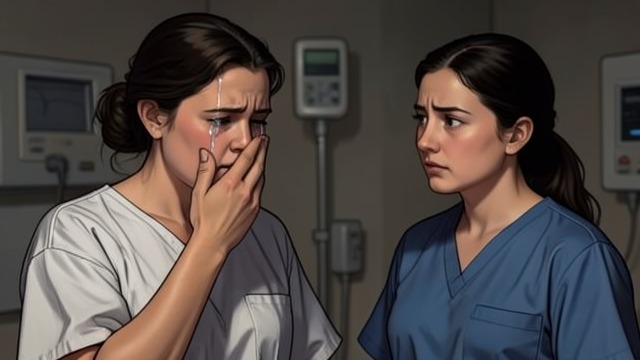
Goodbye Before the Storm
A Daughter’s Visit
Linette Burgess Guidi reached Jannie Burgess in the hospital before the storm and shared a tender visit. Their relationship had included years of tension, but the emergency created a moment of reconciliation.
Promised Return
Linette left expecting to come back after the storm. Her mother’s illness and DNR order shaped the family’s understanding of care, but did not mean that she wished to be abandoned during evacuation.
Separated at the Hospital
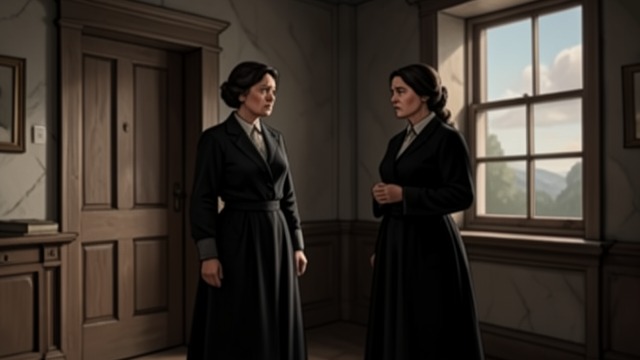
Separated at the Hospital
Family Advocates Leave
Angela McManus and Kathryn Nelson were told to leave LifeCare while their mothers remained inside. Both struggled against separation and sought information about where their mothers would be taken.
Loss of Voice
The daughters knew their mothers’ habits, fears, and wishes. Once separated, they could not observe the care or challenge decisions made in their absence.
The Search for the Missing
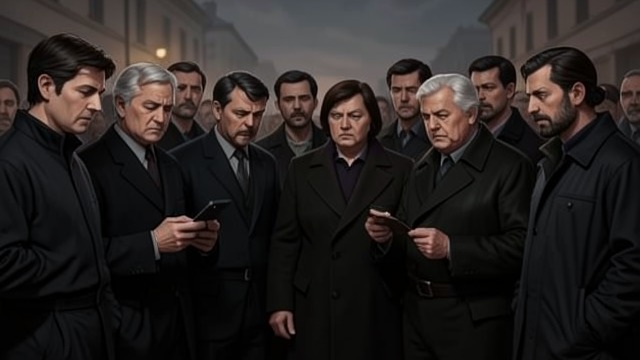
The Search for the Missing
No Reliable News
Families called hospitals, agencies, and relatives to locate missing patients. Some learned about deaths only after many days, while bodies remained unidentified or unrecovered.
Uncertainty Becomes Trauma
The absence of information made grief harder to bear. Families imagined suffering and lacked a clear account of when or how their relatives had died.
Different Paths to Justice

Different Paths to Justice
Public Testimony
Some relatives cooperated with investigators and spoke to reporters because they wanted the circumstances of their loved ones’ deaths understood. Others found repeated interviews too painful.
No Shared Resolution
Families differed over whether the medical professionals should be prosecuted, lose licenses, or be forgiven. Their disagreement reflected different understandings of suffering, consent, and responsibility.
A Voice for the Dead
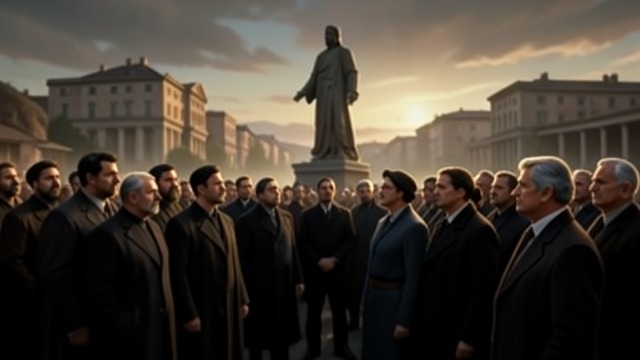
A Voice for the Dead
Grief Without Trial
The no-bill ended the criminal case without a public trial. Some relatives felt denied the chance to present their loved ones’ experiences to a jury.
Memory as Witness
Their accounts preserved the patients’ personalities and desires, resisting the reduction of the dead to medical categories or toxicology results. The families’ stories became part of the record the courts never fully aired.
August 28, 2005
August 30–September 1, 2005
September 2005
2005–2007
After July 24, 2007
