
The Public’s Voice in Triage
Five Days at MemorialThe book moves from expert-led rationing toward public deliberation about the values that should guide life-and-death decisions.
increasing Bearing strength in each event
 decreasing
Bearing strength in each eventdecreasingExperts Make the Categories
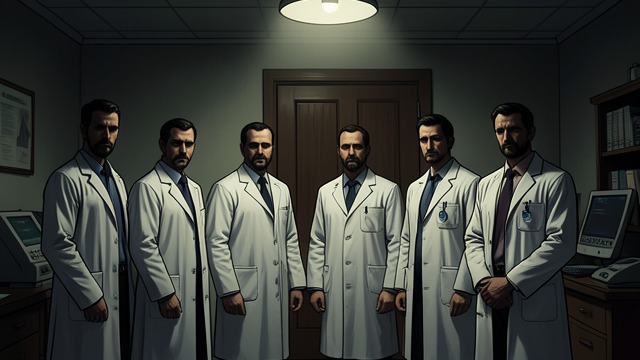
Experts Make the Categories
Decisions Inside Memorial
A small group of medical professionals categorized patients for evacuation. Patients and families were not included in the process or consistently told how the categories worked.
Authority and Blind Spots
Professional expertise mattered, but it could not answer every question about fairness and human worth. The absence of affected voices made the process less transparent and less accountable.
Public Opinion on Allocation
Public Opinion on Allocation
Who Gets the Scarce Resource
Debates over dialysis and transplant allocation showed that clinicians and members of the public often favored different criteria. Professionals leaned toward predicted benefit, while the public often favored urgent need.
Values Become Visible
The disagreement was not a technical error but a conflict about what society values. Allocation policies therefore require legitimacy beyond clinical expertise.
Planning for Ventilator Shortages

Planning for Ventilator Shortages
Protocols Take Shape
New York and other jurisdictions developed plans for allocating ventilators during a severe pandemic. The systems aimed to save the most lives through medical scoring and reassessment.
Questions of Fairness
Some protocols could disadvantage disabled, elderly, or chronically ill patients. Their rules raised concerns about bias, transparency, and whether the public had authorized the tradeoffs.
Deliberation in Maryland
Deliberation in Maryland
Citizens Discuss Scarcity
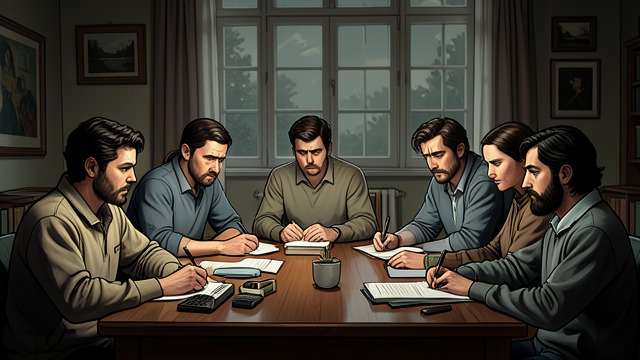
Maryland convened members of the public to discuss difficult choices before a crisis. Participants considered age, need, survival chances, and the social consequences of different allocations.
Capacity to Reason
The discussions showed that ordinary citizens could engage with complex ethical questions. Public deliberation challenged the assumption that only specialists could define fair policy.
Democracy and Emergency Rules
Democracy and Emergency Rules
The Public Is Often Missing
Many emergency protocols remained unpublished or untested with the communities affected by them. Officials feared public reaction, while the absence of consultation weakened trust.
A Democratic Obligation
The book argues that people who may bear the consequences should help shape emergency rules. Public values cannot be inferred reliably by professionals acting alone.
September 1, 2005
1960s onward
2006–2009
2012–2013
2013
