
LifeCare’s Patients on the Seventh Floor
Five Days at MemorialThis thread follows LifeCare patients from pre-storm transfer through their struggle for evacuation and the families’ later search for answers.
increasing Bearing strength in each event
 decreasing
Bearing strength in each eventdecreasingPatients Leave Chalmette
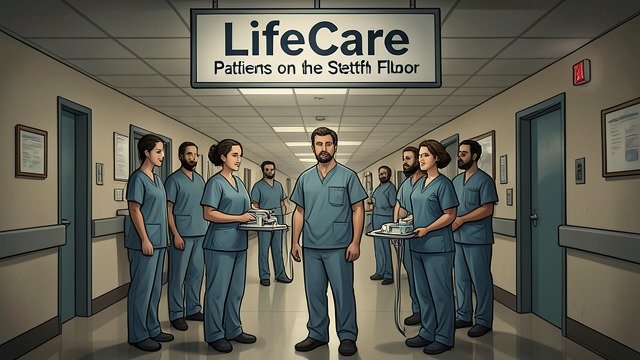
Patients Leave Chalmette
A Preventive Move
Gina Isbell helped transfer LifeCare patients from a vulnerable single-story facility in Chalmette to the seventh floor of Memorial. The patients arrived with medicines and familiar caregivers.
Safety Becomes Uncertain
The move protected them from the first storm surge, but it placed them inside another hospital whose evacuation plans and infrastructure were inadequate for prolonged flooding.
A Hospital Within a Hospital

A Hospital Within a Hospital
Separate Operations
LifeCare had its own leadership, nurses, pharmacy, and patient-care responsibilities within Memorial. Its patients often needed ventilation, dialysis, and extended treatment rather than hospice care.
Shared Building, Divided Authority
The two institutions relied on one physical site but had different corporate structures. During the emergency, that distinction complicated decisions about transport, supplies, and who was responsible for the patients.
Waiting for Inclusion

Waiting for Inclusion
Conflicting Assurances
LifeCare staff heard that government agencies knew their needs and would arrange evacuation. Memorial’s rescue requests, however, did not consistently include LifeCare’s patients.
Corporate Delay
Messages passed between New Orleans and Shreveport while staff sought ambulances and a clear plan. The patients’ separate ownership left them caught between organizations that each expected another to act.
The Families Leave
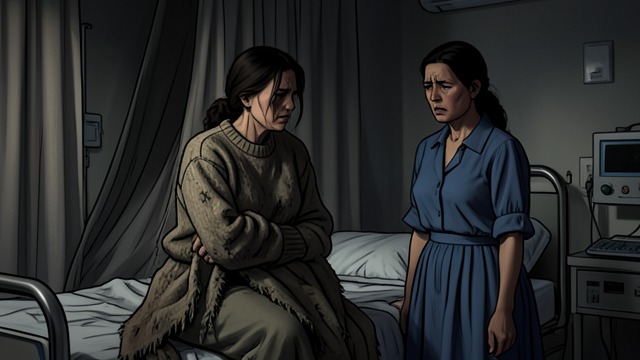
The Families Leave
Separation at the Bedside
Families who had remained with LifeCare patients were urged to evacuate, often without knowing where their loved ones would go. Angela McManus and Kathryn Nelson struggled to leave their mothers behind.
Advocacy Interrupted
Their presence had offered information and comfort, but evacuation separated patients from the people most familiar with their wishes. The loss of that advocacy became central to their later accounts.
Families Seek the Truth
Families Seek the Truth
Missing Information
Relatives searched for patients, death records, and reliable explanations. Delayed notification and unresolved death certificates prolonged uncertainty.
Different Forms of Grief
Some families sought criminal accountability, while others chose not to pursue litigation. Their responses remained grounded in the same question: whether their relatives had been treated as people whose lives and wishes mattered.
August 27, 2005
August 28–29, 2005
August 30, 2005
August 31–September 1, 2005
After September 2005
