
John Thiele’s Moral Crossing
Five Days at MemorialJohn Thiele’s thread follows a physician whose compassion, fear, and participation in injections collide with his later confidence and vulnerability.
increasing Bearing strength in each event
 decreasing
Bearing strength in each eventdecreasingThe Familiar Doctor
The Familiar Doctor
A New Orleans Physician
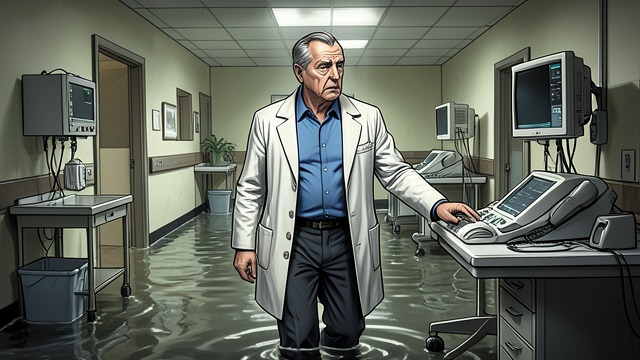
John Thiele had worked at Memorial for decades and was known as a warm, approachable doctor. His critical-care training taught him to prioritize the sickest patients.
No Disaster Repertoire
Thiele had practiced through many hurricane warnings but had never trained for prolonged power, water, and transport failure. The crisis exceeded the experience on which he normally relied.
Fear in the Dark
Fear in the Dark
A Sense of Abandonment
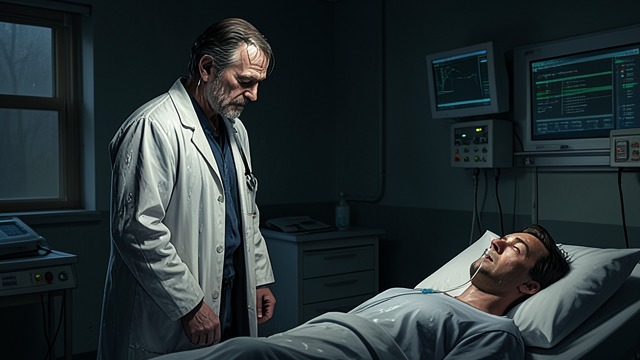
As floodwater surrounded Memorial and communications failed, Thiele worried that rescue and outside protection would not arrive. Rumors of violence heightened his fear.
A Different Kind of Emergency
He had no clinical solution for the patients’ deteriorating conditions and no familiar plan for the hospital’s isolation. His fear shaped how he interpreted the choices ahead.
Can We Do This
Can We Do This
Joining the Lobby Team
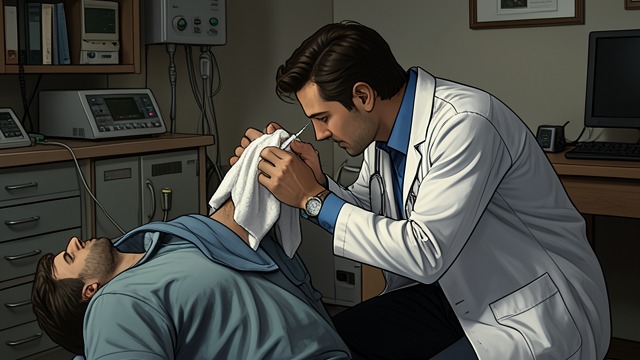
Thiele chose to remain with the sickest patients after offering help to Anna Pou. He asked Karen Wynn whether they could give the medications and whether the act was necessary.
A Point of No Return
Wynn’s agreement helped him proceed. Thiele later described doses of morphine and sedative, prayer, and a patient whose breathing continued until he covered the man’s face with a towel.
The Aftermath of the Storm
The Aftermath of the Storm
Survival and Collapse
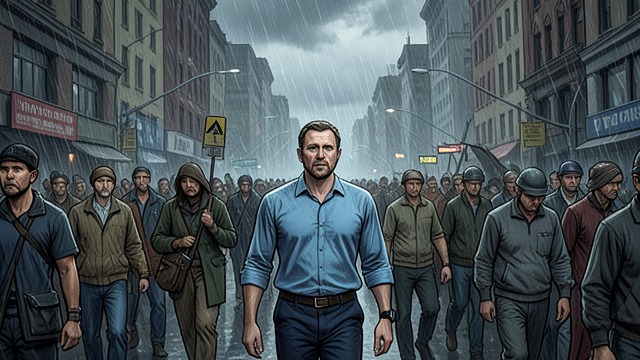
Thiele escaped the hospital, endured a chaotic evacuation journey, and suffered a stroke days later. His speech and movement slowly returned.
The Question Changes
He remained convinced that his actions had been right, even as the legal question of whether he could be prosecuted followed him. The crisis had become an inner and professional burden.
Illness and Reversal
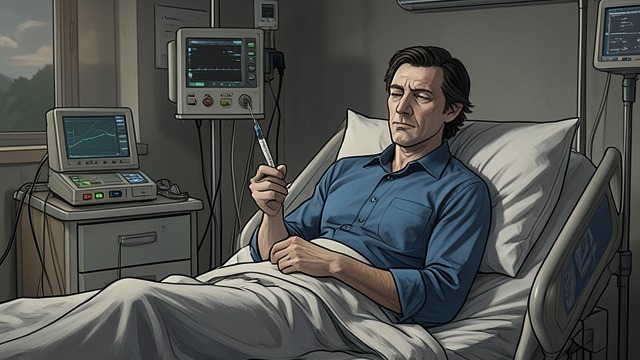
Illness and Reversal
Cancer Discovered
While facing possible prosecution, Thiele was diagnosed with advanced metastatic colon cancer and became critically ill. Doctors treated him aggressively despite a poor prognosis.
Reversibility as a Distinction
Thiele later argued that his illnesses were potentially reversible, unlike the conditions of some patients at Memorial. He survived and returned to work, carrying his own experience of dependence on treatment.
Before August 2005
August 29–30, 2005
September 1, 2005, morning
September 2005
2007
