
The Fight Over Institutional Responsibility
Five Days at MemorialThe conflict expands from individual medical decisions to the responsibilities of hospital owners, government agencies, and emergency systems.
increasing Bearing strength in each event
 decreasing
Bearing strength in each eventdecreasingWarnings Before Landfall
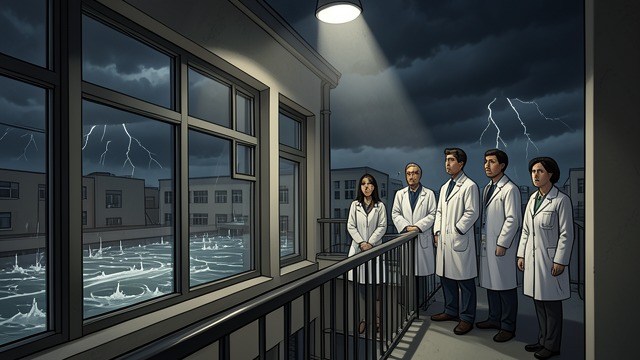
Warnings Before Landfall
Known Hazards
Hospital leaders had access to flood projections, generator-risk warnings, and exercises that modeled mass casualties. Yet investments and operational plans remained incomplete.
Shared Responsibility
The vulnerabilities did not belong to one person alone. They involved a hospital, its corporate owner, regulators, and government agencies responsible for emergency planning.
Corporate Help Delayed
Corporate Help Delayed
Calls to Dallas
Memorial leaders asked Tenet for medicines, transport, and rescue coordination. Corporate officials lacked contracts and an emergency command system suited to the situation.
Resources Not Mobilized
Other hospitals offered help, but the company often deferred to government coordination. The delay illustrated the cost of treating disaster management as an ad hoc business problem.
Government Agencies Disagree
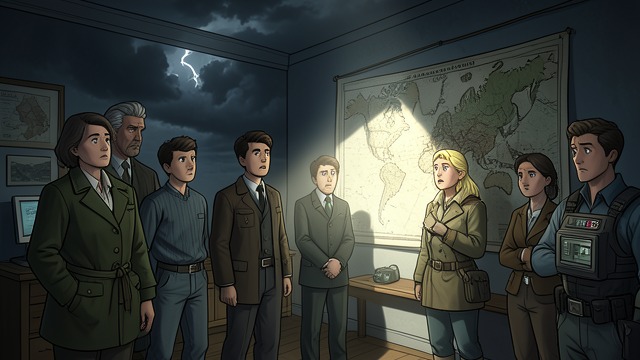
Government Agencies Disagree
Competing Priorities
State and federal agencies used separate communication systems and changing priority lists. Hospital evacuation responsibility remained unclear as rescue assets were spread across a flooded city.
Patients Between Systems
Memorial’s status was repeatedly misreported or misunderstood. The lack of situational awareness made a large emergency harder to manage than the physical shortage of aircraft alone.
Blame After the Rescue
Blame After the Rescue
Competing Explanations
Tenet emphasized the efforts of staff and the force of the disaster; families and investigators asked why patients were not better protected or evacuated earlier. The state’s failures also became part of the defense narrative.
Accountability Divided
The case raised a difficult question: whether individual clinicians’ conduct could be assessed apart from system failures, or whether invoking those failures would conceal preventable choices.
Policy Replaces Trial
Policy Replaces Trial
No Criminal Resolution
The grand jury no-bill ended the prosecution without a public hearing on corporate or governmental responsibility. Civil claims continued separately.
New Immunity Laws
Pou and Simmons pressed for protections for healthcare workers in disasters. Louisiana passed immunity legislation, while critics warned that legal protection could weaken accountability for poor care.
Before August 29, 2005
August 30, 2005
August 30–September 1, 2005
September 2005–2007
2007–2008
