
Preparedness Versus Fatalism
Five Days at MemorialThe narrative contrasts decisions made before catastrophe with the belief that disaster leaves no meaningful alternatives.
increasing Bearing strength in each event
 decreasing
Bearing strength in each eventdecreasingThe Cost of Preparation
The Cost of Preparation
Warnings After Floods
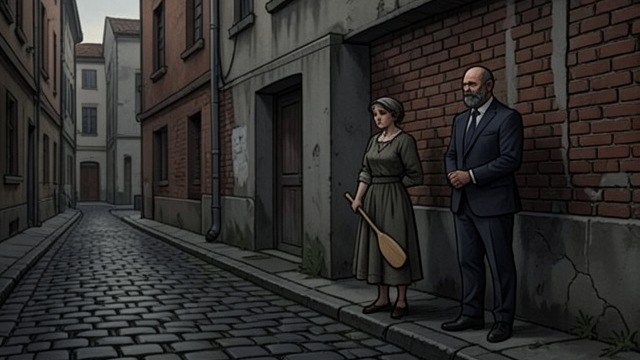
After floods in 1926 and 1927, officials argued about drainage upgrades and taxes. Proposed improvements were reduced or deferred as the immediate crisis receded.
Forgetting the Lesson
The city’s pattern showed how public urgency fades once water drains away. The future cost of inaction remained invisible until another disaster made it immediate.
Planning on Paper
Planning on Paper
Preparedness Standards
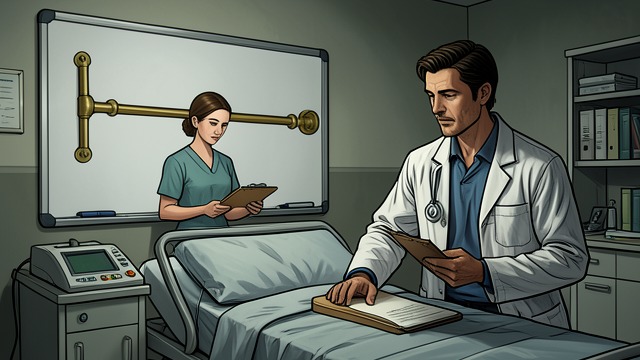
Hospitals developed emergency plans and participated in hazard assessments. Yet standards often rewarded documents and accreditation more than realistic testing of capabilities.
Confidence Without Capacity
Memorial’s plans did not link flooding, generator failure, communications breakdown, and evacuation. A plan that could not be enacted offered reassurance without protection.
A Known Scenario Arrives
A Known Scenario Arrives
Forecasts Become Reality
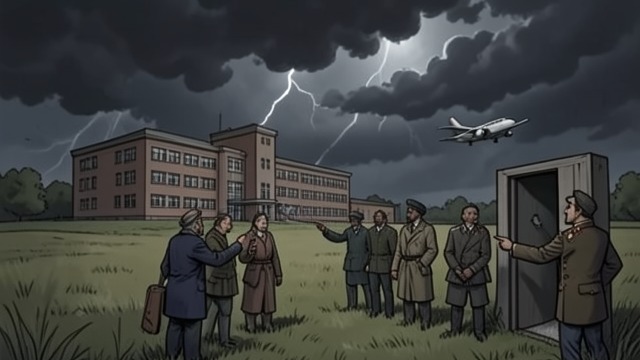
Hurricane Pam had modeled a catastrophic storm and large numbers of stranded patients. Katrina soon produced the core conditions participants had discussed.
The Gap Between Model and Action
The exercise did not provide aircraft, buses, fuel, or clear command authority. The disaster exposed the difference between predicting a crisis and preparing to act in it.
Fatalism Takes Hold
Fatalism Takes Hold
Patients Deemed Unmovable
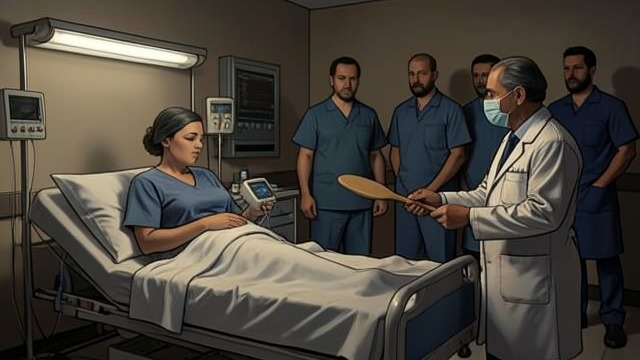
Some staff believed the sickest patients could not survive transfer. Others saw limited routes and failing equipment as reasons to give up on rescue.
Alternatives Remain
The book repeatedly identifies resources and options that appeared later, including small generators, gravity-fed fluids, alternative routes, and arriving aircraft. Fatalism can narrow attention until remaining choices disappear from view.
Preparation as Moral Work
Preparation as Moral Work
Later Emergencies
During Sandy, Bellevue staff improvised with fuel and organized a committee to allocate limited power. Their choices were still difficult, but prior planning helped preserve options.
Fewer Impossible Choices
The book argues that the most effective triage may be preventing scarcity through resilient systems and practical improvisation. Preparation is not merely technical; it is a moral obligation to future patients.
1920s
2001–August 2005
August 29–30, 2005
August 31–September 1, 2005
2012–2013
