
Triage and the Value of a Life
Five Days at MemorialThe book tracks competing principles for allocating scarce resources, from battlefield triage to disaster protocols and public deliberation.
increasing Bearing strength in each event
 decreasing
Bearing strength in each eventdecreasingThe Battlefield Principle
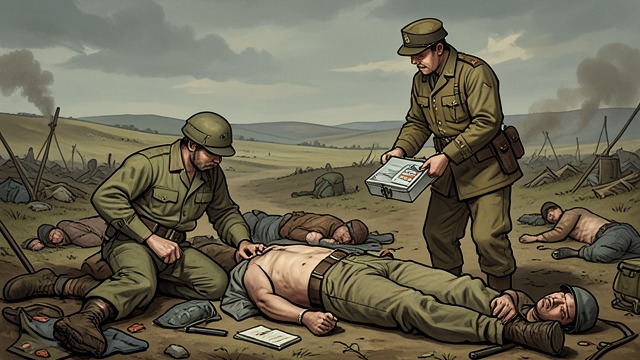
The Battlefield Principle
Treating the Most Wounded
Dominique-Jean Larrey argued that the gravely wounded should receive attention first, regardless of rank. His approach treated urgency of need as the governing principle.
Equality Under Pressure
The principle opposed social status as a basis for rescue. It became a lasting contrast to later systems that prioritize patients more likely to survive or return to useful work.
Efficiency Enters Triage
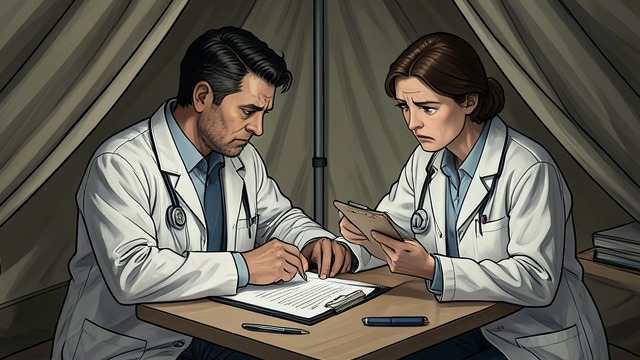
Efficiency Enters Triage
The Beyond-Saving Category
John Wilson introduced a category for patients unlikely to benefit from available treatment. Later systems used similar judgments during mass-casualty events.
The Risk of Error
Predicting survival is uncertain, and different rescuers may classify the same patient differently. A category intended to conserve resources can become a sentence if not reassessed.
Memorial’s Categories
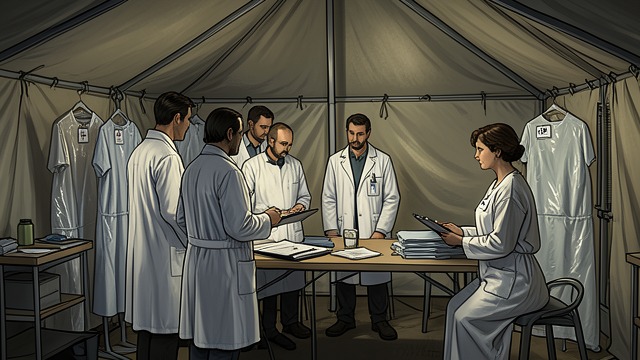
Memorial’s Categories
A Local System
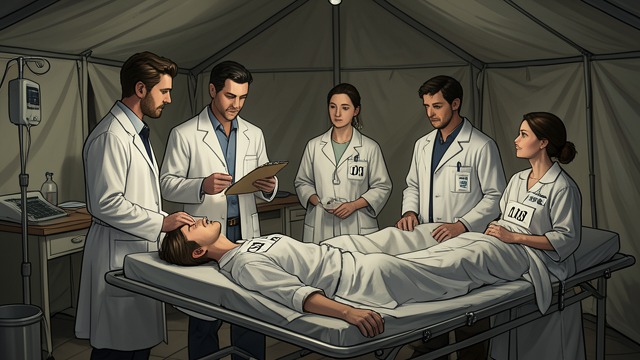
Memorial divided patients into numbered groups, sending those able to walk or sit first and the sickest later. DNR patients were also assigned to the last group.
The System’s Assumptions
The categories were improvised, lacked a shared protocol, and did not account consistently for changing conditions. They translated uncertain judgments into visible labels with real consequences.
Competing Moral Theories
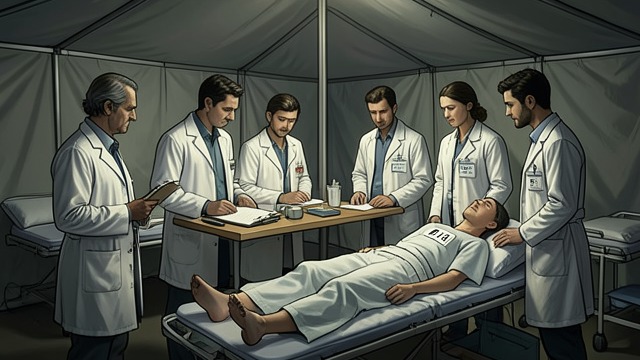
Competing Moral Theories
Maximizing Rescue
A utilitarian approach might send first those most likely to survive or yield the greatest benefit to the group. A justice-based approach gives priority to those in greatest immediate danger.
The Individual Claim
Random allocation offers equal chances but may disregard differences in need. No approach can avoid moral tradeoffs, and each places different burdens on those least able to advocate for themselves.
Public Values Unasked
Public Values Unasked
Plans Made by Experts
State and hospital protocols for ventilator rationing were often developed without meaningful public consultation. The plans risked encoding assumptions about age, disability, and prognosis.
Deliberation as Safeguard
Public engagement in Maryland and Seattle showed that non-experts could reason about complex values. The book argues that communities should help shape rules before a crisis forces choices.
1806
1846 and later
August 31, 2005
During the evacuation
2009–2013
