
Fear, Rumor, and Authority
Five Days at MemorialRumors of violence and martial law change how hospital workers perceive danger, authority, and the possibility of rescue.
increasing Bearing strength in each event
 decreasing
Bearing strength in each eventdecreasingThe City’s Rumors
The City’s Rumors
Reports on the Radio
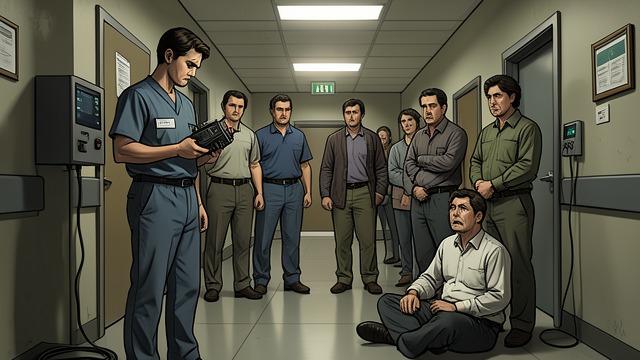
Broadcasts carried claims of looting, murders, and martial law. Some reports were inaccurate, but they reached people trapped without reliable outside information.
Fear Enters the Hospital
Staff and families interpreted noise, gunshots, and darkness through the reports. The perceived threat influenced decisions even when the actual danger was uncertain.
A Hospital on Lockdown
A Hospital on Lockdown
Securing the Building
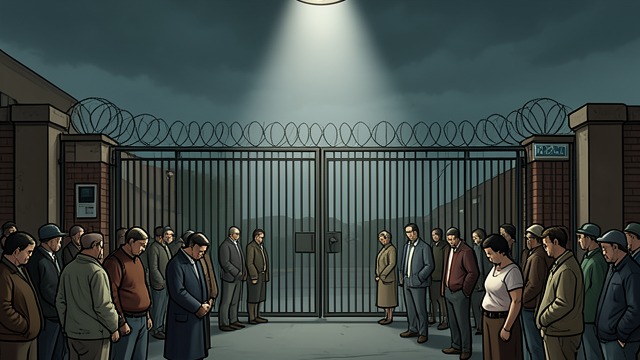
Memorial tightened access and directed people approaching the hospital away. Staff feared looting and believed security might be needed to protect patients and supplies.
Shelter Becomes a Boundary
The hospital sheltered many people but also refused some who sought help. Concern for safety and limited capacity became difficult to distinguish from exclusion.
Martial Law Believed
Martial Law Believed
Authority Misunderstood
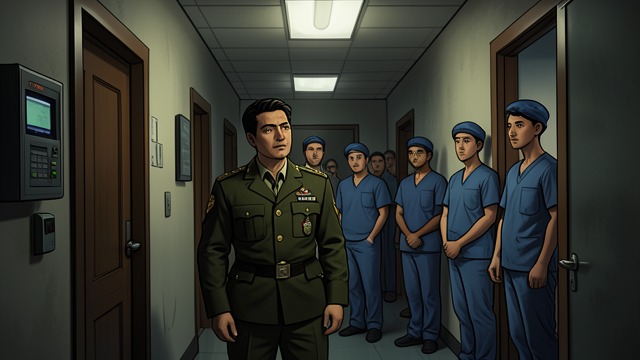
Some staff believed that military or state officials had taken control and were issuing binding orders. The claim spread despite the absence of an actual declaration of martial law.
Decisions by Assumption
Belief in external authority could make people less likely to question orders or seek clarification. The rumor shaped how some LifeCare workers understood the instruction to leave patients with Memorial staff.
Police Arrive at Night
Police Arrive at Night
A Frightening Approach
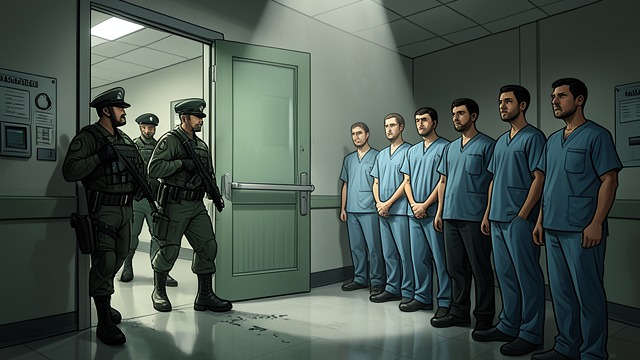
Armed police entered Memorial after reports that the pharmacy was being looted. Workers had guarded the building and were uncertain whether the arrival meant danger or help.
Rumor Becomes Action
The police found no takeover and left. Their brief visit showed how unverified reports could command resources and intensify fear without resolving patients’ needs.
The Fear Is Reassessed
The Fear Is Reassessed
Exaggerated Threats
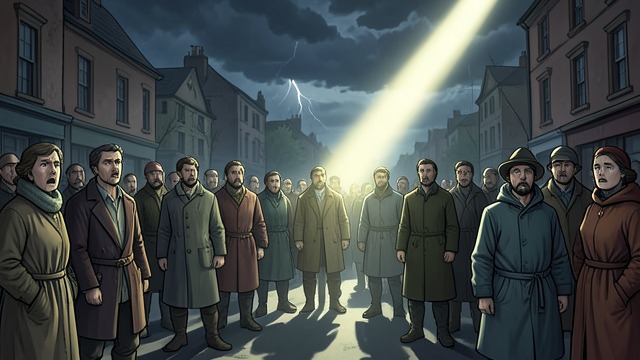
Later reporting found that many of the worst crimes reported during the disaster had not occurred. Fear of violence nevertheless influenced evacuation and rescue decisions.
Consequences of Perception
Rumors were not harmless simply because they were false. They changed where people went, whom they trusted, and which rescue efforts were considered safe.
August 30, 2005
August 30–31, 2005
August 30–September 1, 2005
September 1, 2005, near midnight
After Katrina
