
The Burden of Remembering
Five Days at MemorialThe book’s many witnesses carry the crisis forward in memory, from individual trauma to the public’s responsibility to learn from it.
increasing Bearing strength in each event
 decreasing
Bearing strength in each eventdecreasingThe First Memories
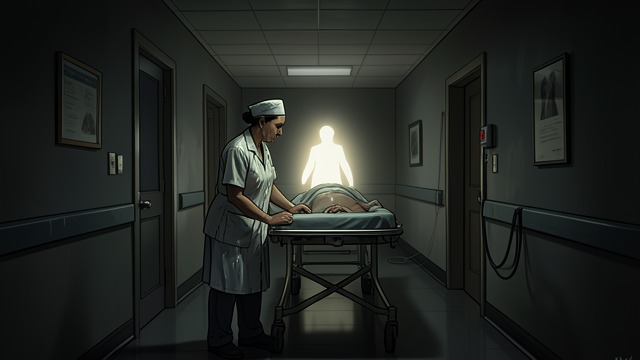
The First Memories
Immediate Accounts
Staff members left Memorial with stories of heat, darkness, difficult transfers, and patients who died. Families began searching for people and explanations.
Memory as Evidence
Accounts recorded soon after the disaster preserved details unavailable later. They also revealed how exhaustion and fear shaped perception from the beginning.
Stories Compete

Stories Compete
Heroism and Allegations
Media coverage portrayed caregivers as either heroic survivors or possible killers. Each narrative selected different events and assigned different meanings to the same acts.
The Problem of Simplification
A single moral label could not encompass the range of behavior in the hospital. Some people acted courageously while others made decisions that deserved scrutiny.
A Code of Silence

A Code of Silence
Wary Witnesses
Some Memorial employees stopped discussing what happened, while lawyers warned clients to limit statements. Fear of prosecution and professional consequences narrowed the flow of information.
The Cost to Families
Silence protected individuals and institutions but deepened relatives’ uncertainty. It also made it harder to learn which decisions had been made and why.
The Witnesses Remember Differently
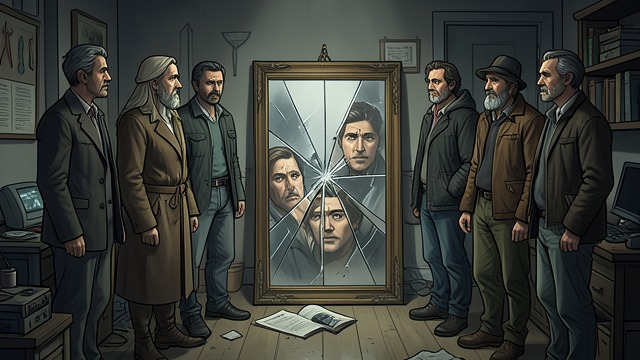
The Witnesses Remember Differently
Details Shift
People disagreed about timing, wording, and who had been present. Investigators had to consider whether later discussions or news reports had affected recollection.
Fragments of a Crisis
No single witness held the whole story. The attempt to reconstruct events resembled assembling a broken mirror, with each fragment reflecting a partial truth.
Learning Before the Next Disaster
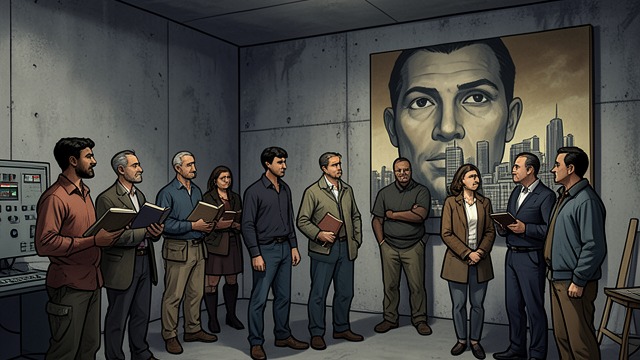
Learning Before the Next Disaster
A Wider Audience
Later discussions of Sandy, Haiti, and pandemic triage brought Memorial’s questions into new settings. Emergency planning became a continuing public issue rather than a closed historical episode.
Memory as Preparation
The book asks readers to consider their own values before a crisis arrives. Remembering is useful only if it changes how institutions prepare and how people are treated.
September 2005
2005–2007
After the evacuation
2005–2007 interviews
2012–2013
