
Comfort Care or Euthanasia
Five Days at MemorialThe book’s central moral conflict turns on whether medication relieved suffering, intentionally hastened death, or did both in circumstances that resist easy classification.
increasing Bearing strength in each event
 decreasing
Bearing strength in each eventdecreasingThe Ordinary Practice
The Ordinary Practice
Relief Near Death
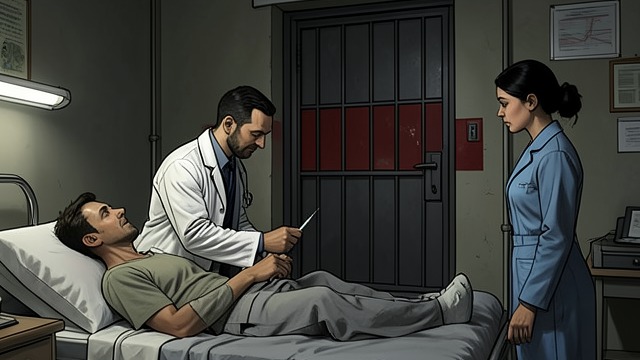
Doctors sometimes use morphine and sedatives to relieve pain, breathlessness, or anxiety in patients near death. A foreseeable effect on breathing does not automatically establish an intention to kill.
Ethical Distinctions
Palliative care depends on the patient’s condition, dosage, purpose, and appropriate monitoring. The same medication can have different meanings in different clinical contexts.
An Emergency Without Safeguards
An Emergency Without Safeguards
Comfort Requested
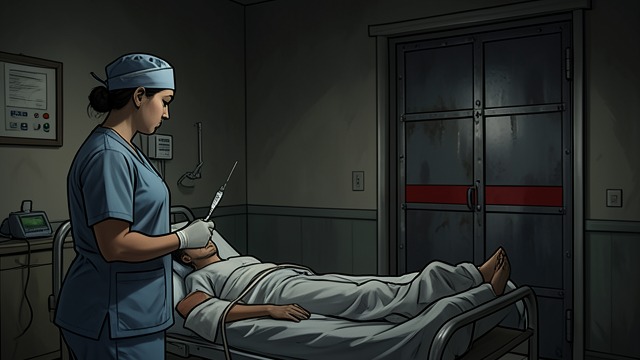
Memorial’s staff faced patients in heat, dehydration, and distress. Susan Mulderick asked what medicine might make them more comfortable.
Procedures Fall Away
Family consultation, careful documentation, gradual dosing, and monitoring were difficult or absent. The question became whether emergency conditions changed the ethical meaning of medication or only made proper care harder to provide.
Intent and Foreseeability
Intent and Foreseeability
Competing Accounts
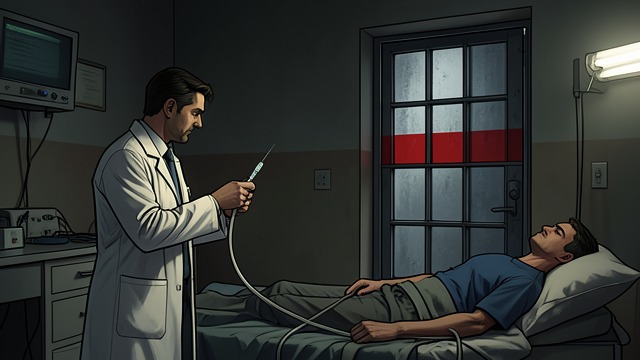
Some clinicians described the drugs as comfort measures; others believed doses were given so patients would die. Several patients were not known to be actively dying, and some remained conscious.
The Legal Question
Louisiana murder law required specific intent to kill. The ethical and criminal dispute turned on what clinicians intended, what they foresaw, and whether their actions were proportionate to symptoms.
Expert Disagreement
Expert Disagreement
Forensic and Clinical Views
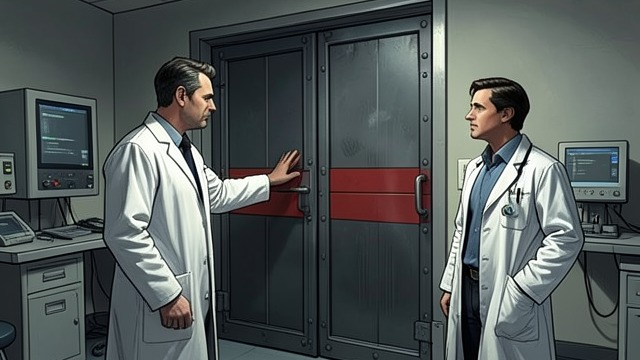
Some forensic experts concluded that drugs caused or contributed to deaths. Other specialists emphasized uncertainty in postmortem toxicology and the possibility of underlying disease.
Ethics Beyond Drug Levels
Arthur Caplan argued that the reported practice did not meet standards for palliative sedation. The debate could not be settled by toxicology alone because intent and care context mattered.
An Unresolved Moral Question

An Unresolved Moral Question
No Public Trial
The grand jury’s decision stopped the criminal process without a trial that could examine each patient’s condition and each clinician’s intention.
Ethics Remain Open
The case continued to shape debates about palliative care, euthanasia, and disaster standards. Its unresolved character was itself consequential: future policy formed without a complete public account.
Before Katrina
September 1, 2005, morning
September 1, 2005, afternoon
Late 2005–2007
After the no-bill
