
Care Versus Rescue
Five Days at MemorialThe conflict between continuing ordinary treatment and preparing patients to move evolves as Memorial shifts into survival mode.
increasing Bearing strength in each event
 decreasing
Bearing strength in each eventdecreasingThe Hospital Changes Modes
The Hospital Changes Modes
Survival Mode Declared
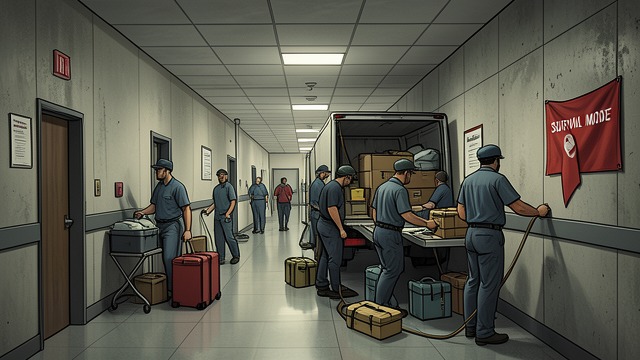
After reports of levee breaches, Memorial leaders told staff to remain and prepare for flooding. Elective treatment stopped, stable patients were considered for discharge, and departments inventoried supplies.
Care Is Reorganized
The hospital was still full of patients, but its purpose began shifting from treatment toward survival and evacuation. The transition affected every later decision about what care to continue.
Treatments Discontinued
Treatments Discontinued
Reducing Workload
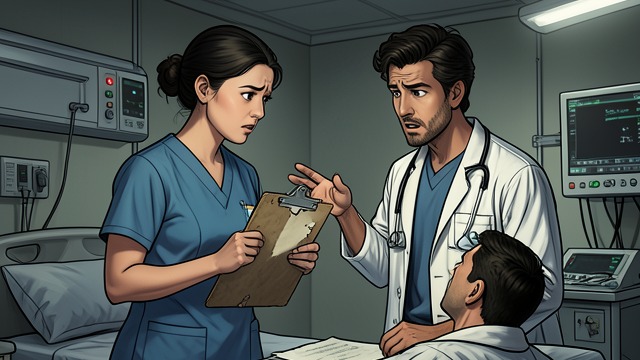
Some clinicians stopped treatments they believed were not essential so staff could focus on transport and immediate threats. Others resisted discontinuing monitoring or routine care.
Different Understandings
The disagreement was not simply about efficiency. It reflected competing beliefs about whether maintaining treatment preserved dignity and safety or diverted resources from evacuation.
Patients Wait in Staging Areas
Patients Wait in Staging Areas
A Temporary Arrangement
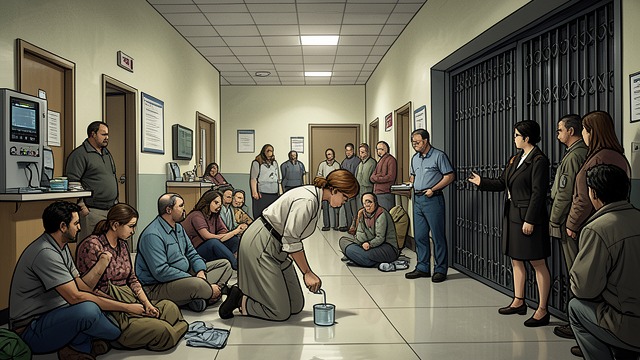
Patients were moved from rooms to the lobby, corridors, and garage while awaiting boats or helicopters. Care narrowed largely to hydration, cooling, toileting, and basic comfort.
Risk Accumulates
The longer patients waited, the more heat and dehydration threatened them. A staging area meant to speed rescue could become a place where ordinary treatment disappeared.
Treatment Returns Unevenly
Treatment Returns Unevenly
Staff Reconsider
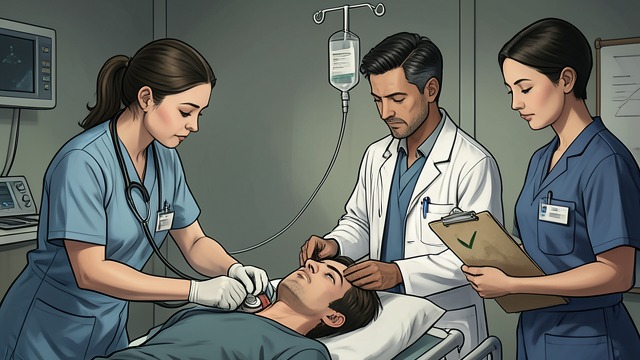
Some nurses recognized that dehydration was driving deterioration and began giving fluids by gravity. Bryant King organized checks of blood pressure and glucose and resumed selected medications.
Competing Practices
Other staff members believed treatment was no longer useful or safe. The uneven return of care exposed how crisis labels could suppress options that remained technically possible.
Lessons for Emergency Care
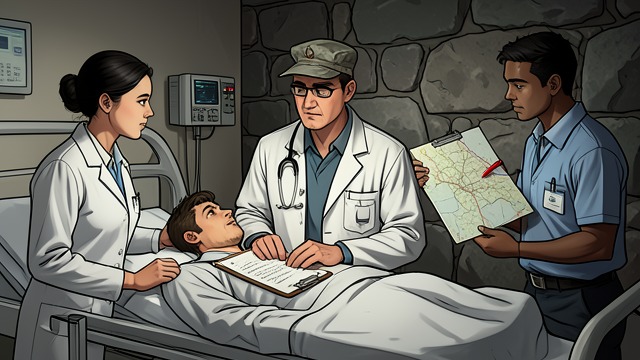
Lessons for Emergency Care
The Need to Reassess
A plan that assumes care must stop once evacuation begins can harm patients while they wait. Conditions, available tools, and rescue capacity continue to change.
Preserve Options
The later analysis emphasized reassessment and improvisation rather than accepting that patients were beyond help. The conflict between care and rescue was not always a true choice.
August 30, 2005, morning
August 30, 2005
August 31, 2005
September 1, 2005
After Katrina
