John Marse
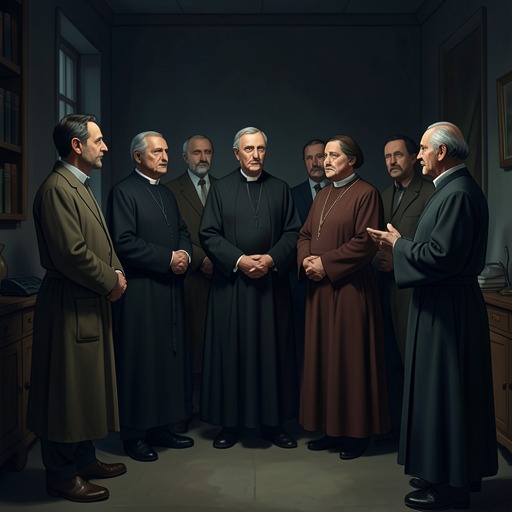
Five Days at MemorialJohn Marse is the chaplain at Memorial Medical Center during the hurricane crisis. The book presents him through small acts of spiritual care rather than extended biography: he accompanies a nurse overwhelmed by a patient’s death, offers prayers to patients sheltering in the hospital, and becomes one of the exhausted people needing care himself.
Chaplain in the Hospital
Nearly an hour after a patient’s death, Marse approached Gina Isbell and invited her to come with him. He guided her and the patient’s gurney through a nearby door with stained-glass windows into an empty chapel. Therese Mendez moved chairs to make room. There, Isbell cried in Marse’s arms, and they prayed together. Isbell had seen patients die before, but this death felt different; ordinarily, she had the means to give people a chance to survive. Marse’s response was not to explain the loss, but to make space for her grief and prayer.
Prayer Amid the Evacuation
When evening came and the boats left, Isbell and Karen Wynn brought patients back inside to the first-floor lobby, settling them on cots and stretchers for the night. Marse came to offer prayers. An elderly sister challenged his presence in the crisis and swung her cane at him; he answered that God had sent him there. She then swung at a nurse, apparently trying to protect her sister, and a security guard took the cane. In the unsettled scene, Marse’s reply expressed his understanding of his presence as a religious calling, while his prayer offered the patients a form of support beyond the physical shelter of the lobby.
Rest and the Work of Witness
Marse’s ministry took place amid deaths that continued even as the hospital’s routines and resources broke down. At another point, a nurse coaxed him to an empty cot on the first floor, telling him it had his name and ordering him to rest. A nurse stood in for him in the chapel, chanting prayers over the dead; Bryant King counted five other bodies before the altar. The passage does not attribute that vigil to Marse, but places his need for rest beside the continuing work of prayer. His appearances trace both the value and the limits of spiritual care in a crisis: he could accompany the grieving and pray with the living, but the deaths around him continued.