
Truth, Secrecy, and Exposure
Fool Me OnceThis thread examines the novel’s competing promises that revealing the truth can protect the public, harm individuals, or create new forms of secrecy.
increasing Bearing strength in each event
 decreasing
Bearing strength in each eventdecreasingA Whistleblower’s Principle

A Whistleblower’s Principle
Public Accountability
Corey argues that institutions cannot reliably police themselves when power and money are at stake. His organization gives insiders a way to expose wrongdoing.
An Uncomfortable Exception
Corey withheld the audio from Maya’s mission partly to maximize attention and partly because Claire persuaded him that exposing it would unfairly destroy Maya. His ethics are therefore more selective than his slogan suggests.
Secrecy as Protection
Secrecy as Protection
Claire’s Concealment
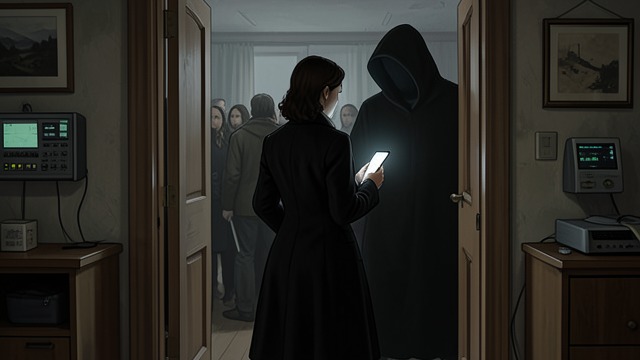
Claire hides her investigation and secret phone from people she loves. She hopes to protect Maya and Eddie, but her silence deprives them of a chance to understand the danger.
Institutions Protect Themselves
The school, the Burketts, and Corey’s network each have reasons to control information. Their secrecy differs in motive and scale, yet each decision leaves others to bear consequences without knowing the full truth.
A Truth Made Public

A Truth Made Public
The Family Revealed
Maya’s final confrontation is captured live, exposing the Burketts’ violence and their attempt to manage blame. The camera removes the privacy that powerful people usually use to shape a story.
Disclosure’s Cost
The broadcast gives Corey’s platform influence and encourages other whistleblowers, but Maya dies and the events cannot be reduced to a clean victory. Exposure makes concealment harder without making justice harmless.
during Corey’s first conversation with Maya
as Claire’s investigation develops
the night of the Farnwood livestream
