Agatha
Frankenstein, or the Modern PrometheusAgatha is the daughter of the exiled French aristocrat De Lacey and the sister of Felix. Before her family's ruin, she had ranked with ladies of the highest distinction in Paris. Now reduced to poverty in a German cottage, she performs every laborious domestic task with patience and grace, her gentle manners and beauty making her, in the monster's eyes, one of the most admirable of human beings.
Identity and Background
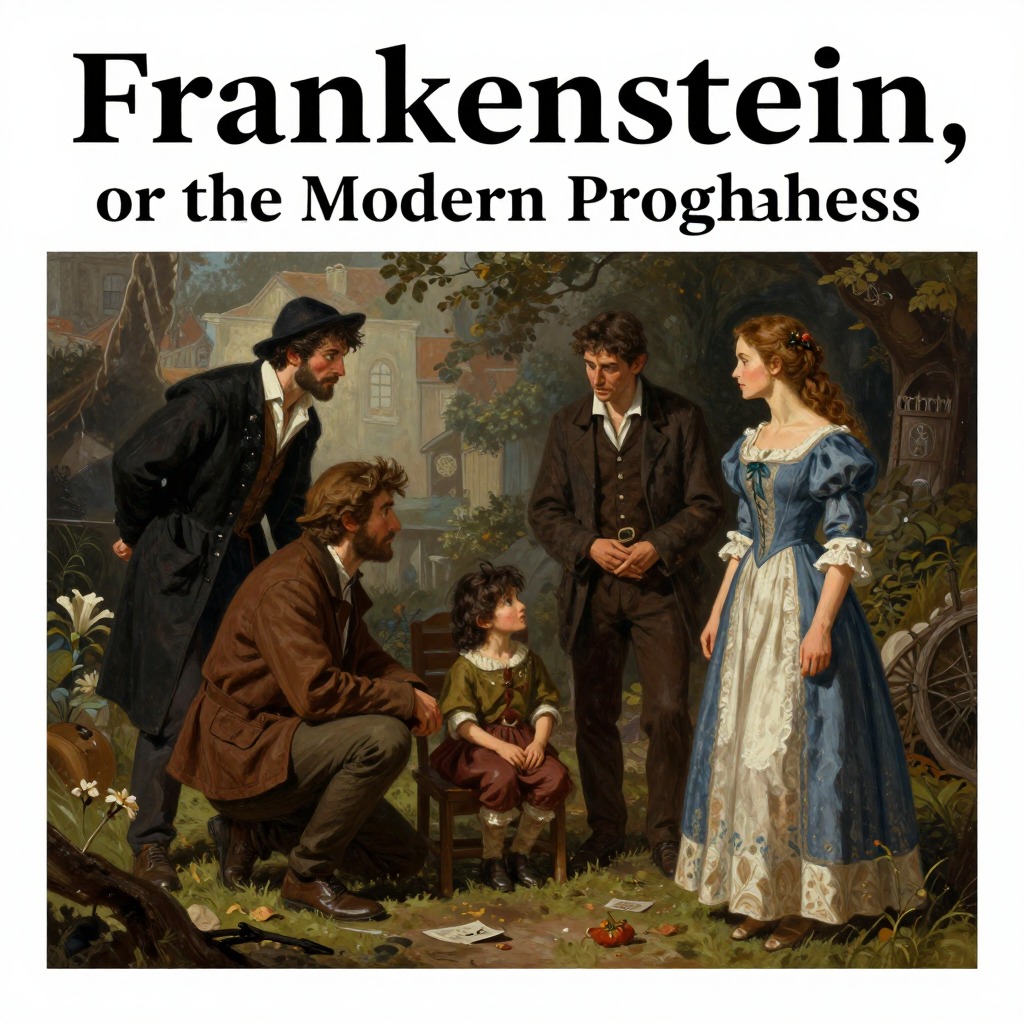
Agatha is the daughter of De Lacey, a once-affluent Frenchman who lived for many years in Paris, respected by his superiors and beloved by his equals. She herself had ranked with ladies of the highest distinction. The family's ruin came when Felix helped a Turkish merchant escape from prison; the French government discovered the plot, threw De Lacey and Agatha into a noisome dungeon, and after a trial that deprived them of their fortune, condemned them to perpetual exile from their native country. They found a miserable asylum in the cottage in Germany where the monster later discovered them. Agatha's life is one of uncomplaining labor: she arranges the cottage, prepares the food, works in the yard, and performs every little office of affection and duty toward her blind father with gentleness.
Life in the Cottage and Relationship with the Monster
Agatha's daily routine is the first sustained human society the monster observes after his creation. He watches her through a chink in his hovel, seeing her fair hair plaited but unadorned, her coarse blue petticoat and linen jacket, and her patient yet sad demeanor. She is often in tears, and the monster sees her and Felix go apart to weep, their poverty so severe that they often place food before the old man while reserving none for themselves. The monster, moved by this trait of kindness, abstains from stealing their food and instead secretly helps them by gathering wood at night. Agatha is astonished on finding a great pile of wood outside the door in the morning, and she and Felix express surprise. The monster learns her name by listening to the family's speech: she is called "sister" or "Agatha." He describes her as "the ever-gentle Agatha," and her gentle manners and beauty greatly endear her to him. When the old man plays his guitar, Agatha weeps, and the monster feels sensations of a peculiar and overpowering nature, a mixture of pain and pleasure he had never before experienced.
The Arrival of Safie and Agatha's Response
When Safie, the Arabian woman Felix loves, arrives at the cottage, Agatha kisses her hands and makes signs that appear to mean Felix had been sorrowful until she came. Agatha later declines to play the guitar when Safie offers it, but then plays a simple air and accompanies it with her voice in sweet accents, though unlike the wondrous strain of the stranger. The old man appears enraptured and says words that Agatha endeavors to explain to Safie, expressing that she bestows on him the greatest delight by her music. Agatha's presence diffuses gladness through the cottage, dispelling sorrow as the sun dissipates morning mists.
The Failed Confrontation and the Family's Flight
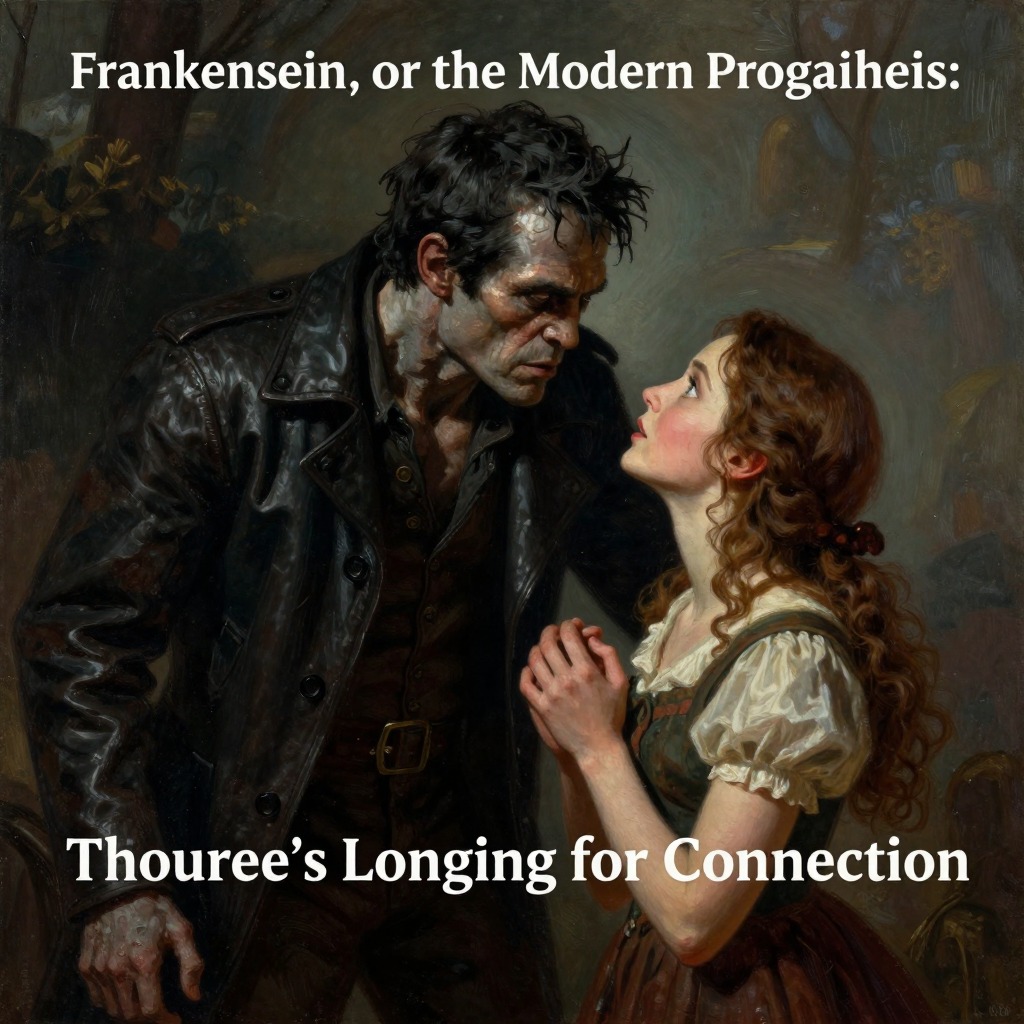
The monster, having learned language and human history, resolves to introduce himself to the cottagers. He chooses a moment when Safie, Agatha, and Felix have departed on a long country walk, leaving the blind old man alone. The monster enters and speaks with De Lacey, winning his sympathy. But at the critical moment, the younger protectors return. When Agatha, Felix, and Safie enter the cottage and behold the monster, Agatha faints. Felix, in a transport of fury, tears the monster from his father's knees, dashes him to the ground, and strikes him violently with a stick. The monster, overcome by pain and anguish, quits the cottage. The family never returns. Felix later tells a companion that his wife and his sister will never recover from their horror, and that the life of his father is in the greatest danger. They abandon the cottage forever. The monster, in his despair, burns the cottage to the ground, destroying every vestige of cultivation in the garden.
Thematic Significance
Agatha represents the domestic affection, kindness, and beauty that the monster most desires and is most cruelly denied. Her gentle voice, her tears, her loving care for her father, and her warm welcome of Safie all embody the human sympathy the creature craves. Yet when he finally reveals himself, it is Agatha who faints at the sight of him, and her horror is so profound that she can never return. Her flight, along with the rest of the family's, breaks the only link that held the monster to the world and turns him irrevocably toward revenge. Agatha's fate underscores the novel's central tragedy: the innocent and the virtuous are destroyed by the very ugliness they cannot help but recoil from, and the creature's longing for love is met only with terror and rejection.