Frankenstein's death
Frankenstein, or the Modern PrometheusVictor Frankenstein dies aboard Robert Walton's ship in the Arctic, his body and spirit finally broken by years of pursuing the monster he created. His death is the culmination of a life consumed by the consequences of his ambition, a life that began with the highest hopes and ended in utter desolation. In his final hours, he reflects on his past, offers a last warning to Walton, and finds a measure of peace in the prospect of joining his lost loved ones in death.
Final Decline and Last Words
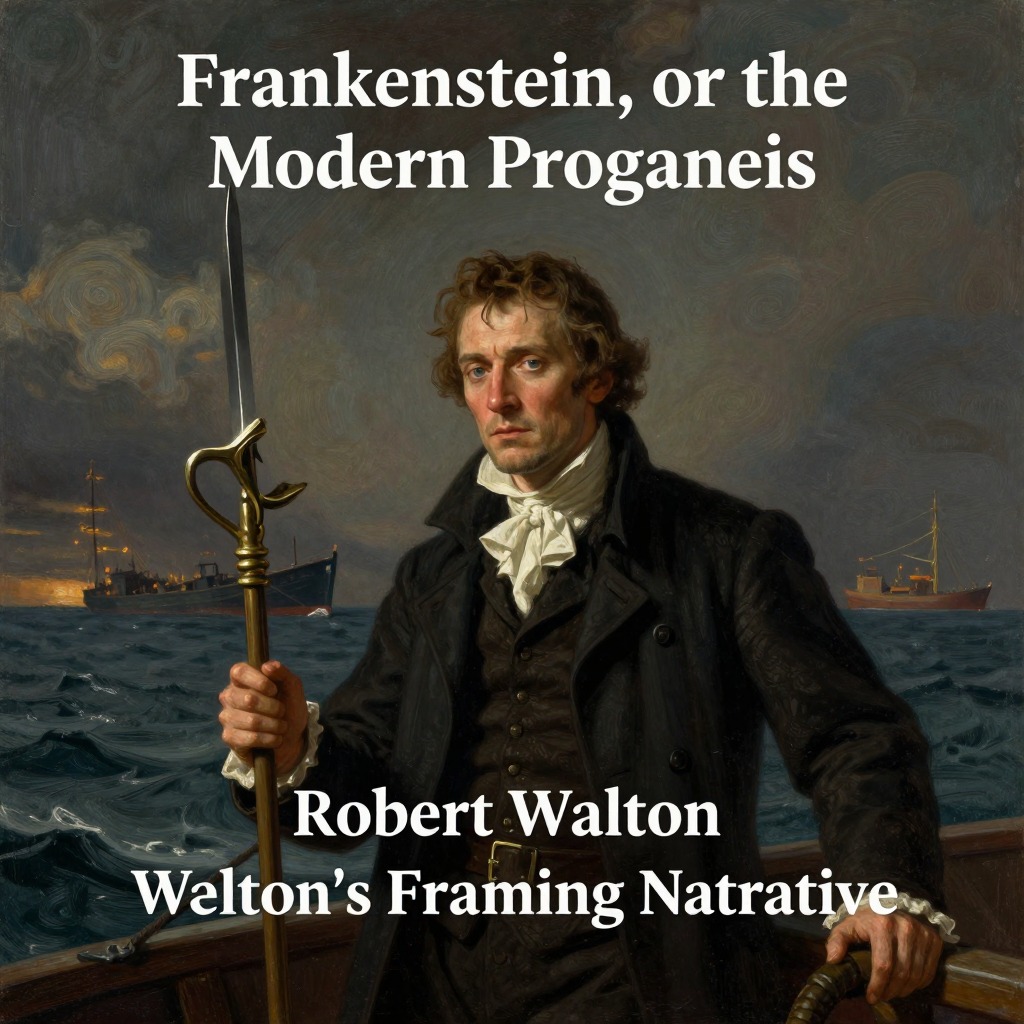
Victor's health, already shattered by his relentless pursuit across the frozen north, deteriorates rapidly on Walton's vessel. A feverish fire still glimmers in his eyes, but he is exhausted, and when suddenly roused to any exertion, he speedily sinks again into apparent lifelessness. He is confined to his bed, and the surgeon pronounces that he has not many hours to live. Walton sits by his bed, watching him, his eyes closed. Presently, Victor calls to him in a feeble voice and bids him come near. He confesses that the strength he relied on is gone and that he feels he will soon die. He reflects on his past conduct, asserting that he does not find it blamable, but that in a fit of enthusiastic madness he created a rational creature and was bound to assure his happiness. He states that he did right in refusing to create a companion for the first creature, as his duties towards his own species were paramount. He acknowledges that the monster has shown unparalleled malignity and selfishness in evil, destroying his friends, and that he ought to die. Victor renews his request that Walton undertake his unfinished work of destroying the monster, but then withdraws the demand, saying he cannot ask Walton to renounce his country and friends. He declares that the hour when he momentarily expects his release is the only happy one he has enjoyed for several years, as the forms of the beloved dead flit before him and he hastens to their arms. His final words to Walton are a warning: "Seek happiness in tranquillity and avoid ambition, even if it be only the apparently innocent one of distinguishing yourself in science and discoveries." His voice becomes fainter, and after a final attempt to speak, he presses Walton's hand feebly, and his eyes close forever, while the irradiation of a gentle smile passes away from his lips.
The Weight of a Life's Consequences
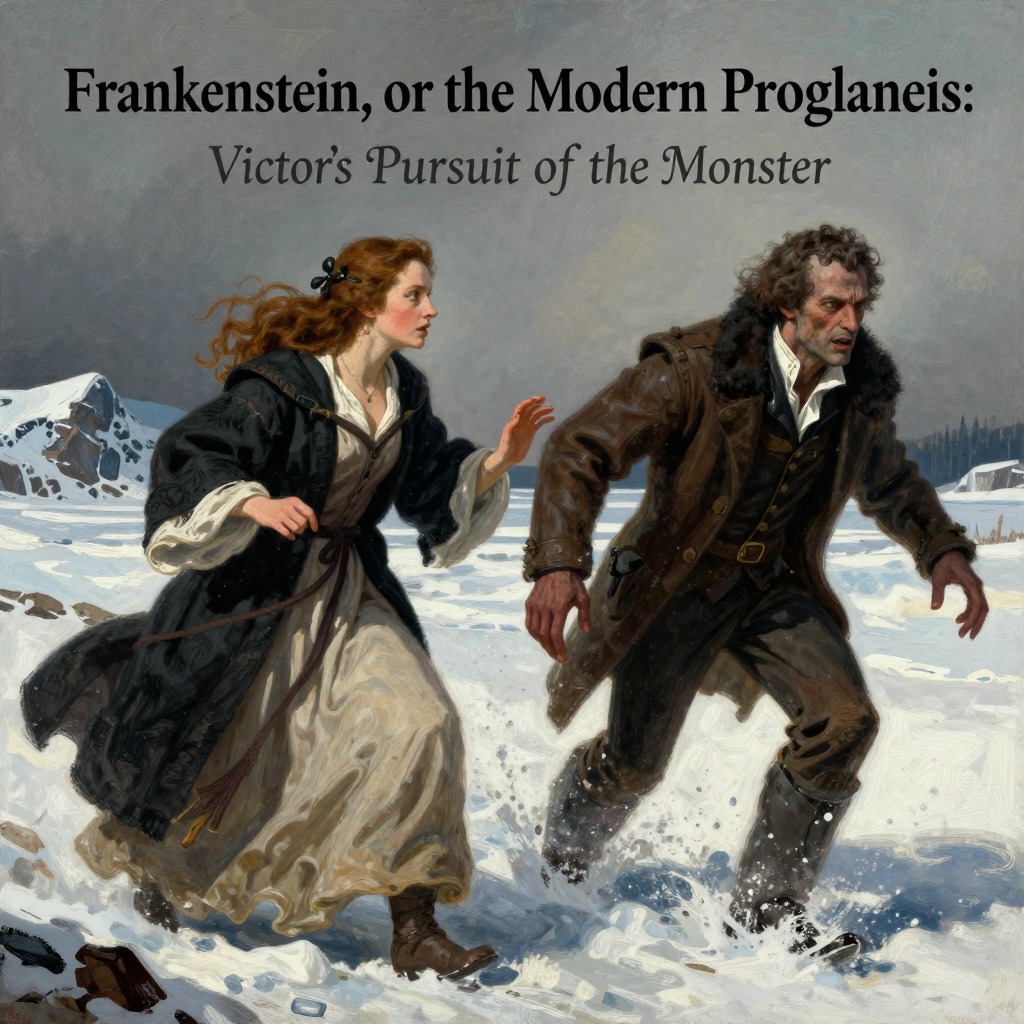
Victor's death is the final chapter in a long history of suffering that began with his creation of the monster. From the moment he first saw the dull yellow eye of the creature open, the beauty of the dream vanished, and breathless horror and disgust filled his heart. The nightmare that followed, in which he saw Elizabeth transformed into the corpse of his dead mother, foreshadowed the series of tragedies that would consume his family. His nervous fever, which confined him for several months, was the commencement of a pattern of physical and mental collapse. The deaths of William, Justine, Clerval, and Elizabeth each drove him deeper into a hell of intense tortures. He was seized by remorse and the sense of guilt, which hurried him away to a hell of intense tortures such as no language can describe. He was imprisoned in Ireland, and after his release, he was confined in a solitary cell for many months, having been called mad. The memory of past misfortunes pressed upon him, and he began to reflect on their cause—the monster whom he had created. He was possessed by a maddening rage when he thought of him, and desired and ardently prayed that he might have him within his grasp to wreak a great and signal revenge on his cursed head. His wanderings across the earth, from Geneva to the Arctic, were driven by this single, all-consuming purpose. He endured cold, want, and fatigue, and often stretched his failing limbs upon the sandy plain and prayed for death, but revenge kept him alive.
Thematic Significance: The End of the Creator
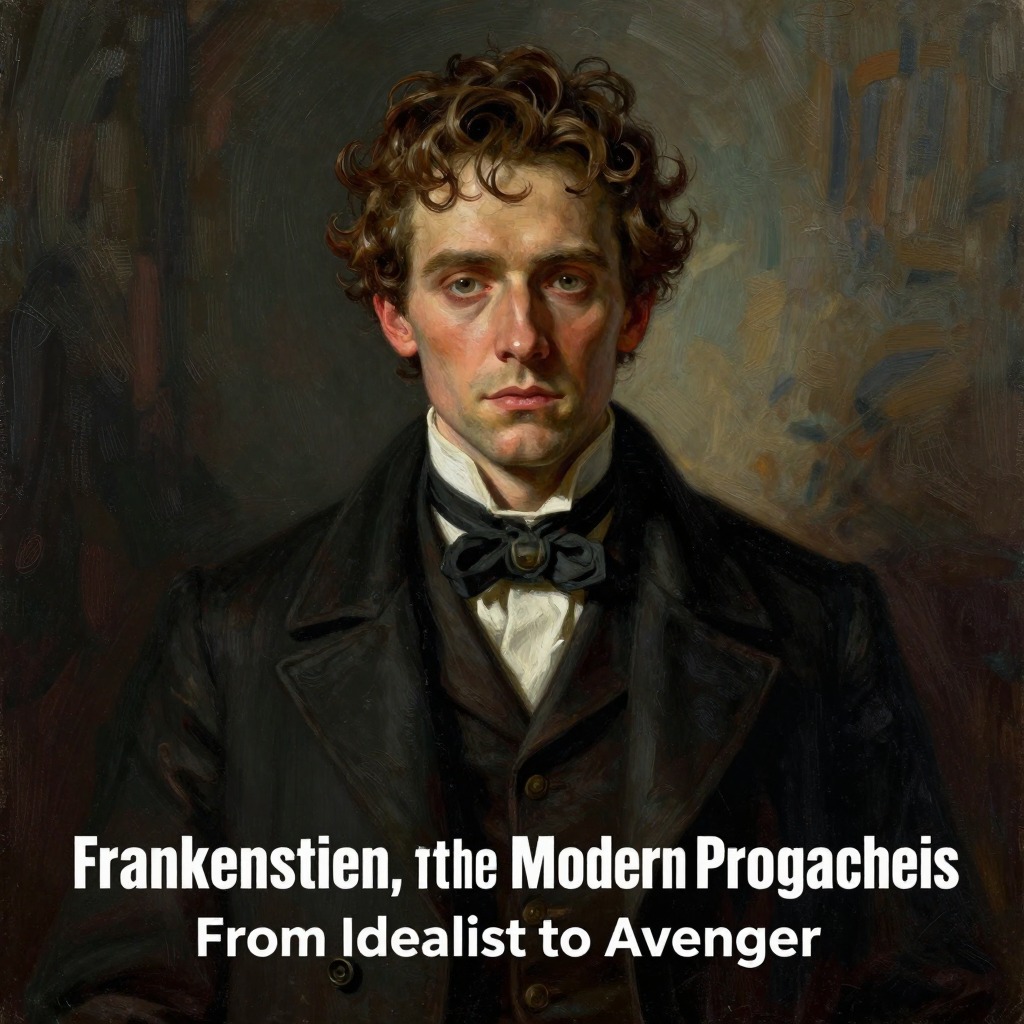
Victor's death is not a heroic sacrifice but the exhausted conclusion of a life that violated the natural order. He dies not in battle with his creation, but in a bed, his body worn out by the very pursuit that defined his final years. His final advice to Walton—to seek happiness in tranquillity and avoid ambition—is a direct repudiation of the driving force of his own life. It is a lesson learned too late, a warning from a man who has experienced the full, devastating consequences of the dangerous knowledge he once sought. His death, marked by a gentle smile, suggests a final release from the torment of guilt and revenge, a reunion with the loved ones he lost. Yet the monster, his other self, survives him, and the cycle of destruction is not truly broken until the creature himself vows to die. Victor's end is thus both a personal tragedy and a cautionary tale about the limits of human ambition and the inescapable responsibility of a creator for his creation.