
Retaliation and Escalation
Gang Up: A Bikerland NovelThis flow traces how successive acts of retaliation intensify the Family–Cauldron conflict until the leaders accept an open confrontation.
increasing Bearing strength in each event
 decreasing
Bearing strength in each eventdecreasingThe Initiation as Provocation
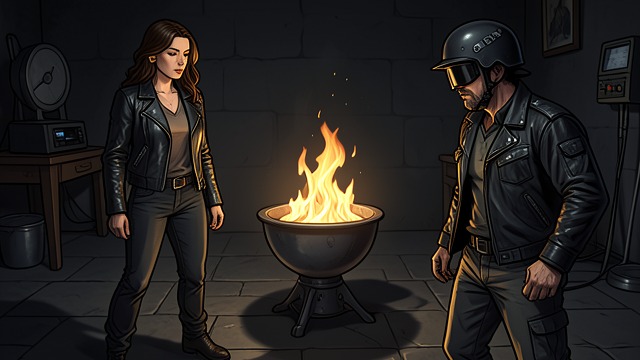
A Private Choice Becomes Public
Competing interpretations
Abigail initiates herself into the Cauldron to provoke Case and force a change in their relationship. Brall and his people interpret the act as a meaningful claim, not merely a private performance.
A point of no return
The event damages relations between the gangs and gives each side a story of grievance. The Family’s anger grows as the rite appears to transfer one of its members to a rival.
The conflict escalates because the participants do not control how others interpret the event. A personal gambit becomes collective injury.
Carthage’s Killing

Retaliation Creates a War
Troy acts alone
Troy’s riders attack Carthage and leave him dead. Case is not consulted, but Brall holds the Family responsible for the killing.
A new grievance
Carthage’s death transforms an existing rivalry into a demand for retaliation. Brall mobilizes his camp while the Family struggles to determine who acted in its name.
The attack demonstrates how one leader can commit an entire community to consequences it did not choose. The absence of internal agreement makes the war harder to contain.
Sabotage at the Compound
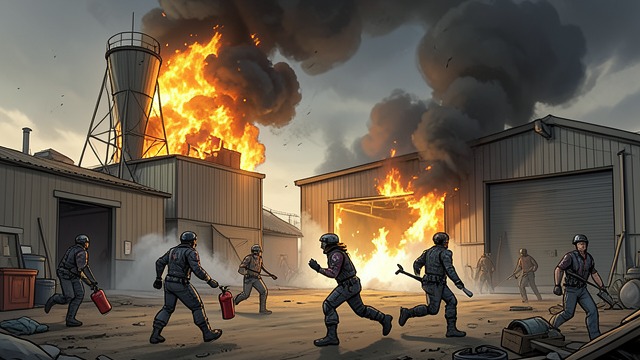
Infrastructure Under Attack
Two explosions
The grain tower and long garage are hit, causing fires and threatening essential resources. Case suspects the pattern is deliberate and focuses on preventing a second catastrophe.
A disputed response
Troy argues for protecting only the Compound, while Case organizes help across Temple. Their disagreement exposes the political rift behind the crisis.
The attack expands the conflict from targeted violence to civilian danger. It also lets Troy push the Family toward war while concealing his own role in creating the emergency.
A Temporary Truce
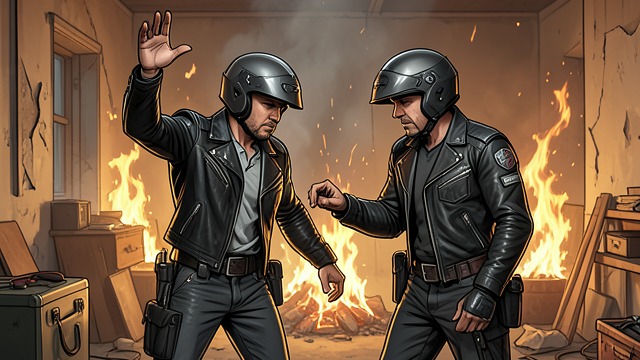
Fire Before Revenge
Confrontation postponed
Case accuses Brall of causing the fire and strikes him. Brall denies responsibility and points to his men’s efforts to contain the blaze.
Shared labor
Case recognizes that the immediate danger takes precedence. The two factions work together through the night, though suspicion remains.
The truce is limited to a practical task, but it alters the conflict’s possibilities. Each leader sees that cooperation need not erase disagreement or require surrender.
Open Battle Agreed
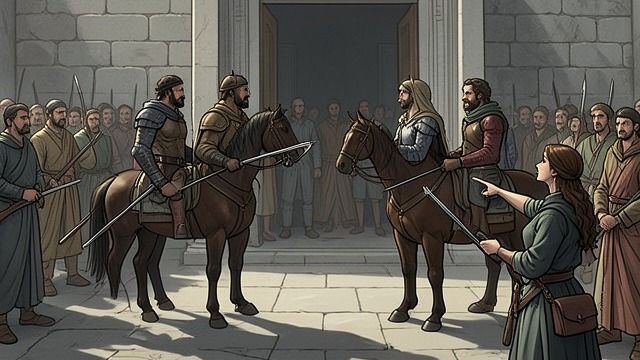
Escalation Contained by Terms
A public confrontation
Case and Troy prepare for a final battle against Brall, with both sides bringing armed forces outside Temple. The agreement to meet openly replaces the pattern of ambush and sabotage.
A stage for truth
Sandra’s accusation interrupts the planned fight and shifts attention from the Cauldron to Troy’s crimes. The crowd’s response prevents the battle from proceeding as Troy intended.
Open terms do not make the gathering safe, but they create a visible setting where the rival groups can witness an alternative resolution. The immediate enemy changes as evidence alters loyalties.
the night Abigail joins the Cauldron
the following morning
the night after the ambush
later on the night of the explosions
the morning the forces assemble
