
From Revenge to Governance
Gang Up: A Bikerland NovelThis flow traces how the story challenges retaliatory violence and redirects the rival gangs’ strength toward a durable political arrangement.
increasing Bearing strength in each event
 decreasing
Bearing strength in each eventdecreasingViolence as Inheritance
A Familiar Code
Conflict expected
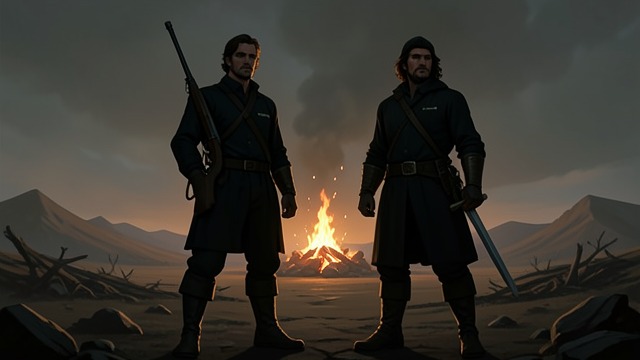
Brall believes that the wastes are governed by fighting and that power belongs to those willing to enforce it. The Cauldron’s history supports his expectation that disputes will end in violence.
A community shaped by force
The Family also uses raids, armed authority, and threats to maintain its position in Temple. The two gangs differ in structure, but both have inherited a world where safety is often purchased through strength.
The story begins with violence as a social habit, not an exceptional breakdown. That habit makes peaceful change seem less realistic than retaliation.
Blood for Carthage
Retaliation’s Logic
Grief demands an answer
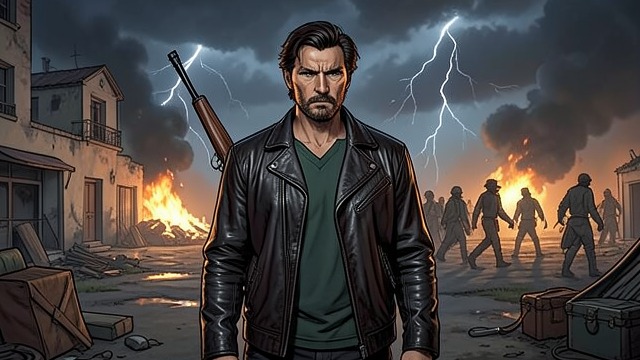
Brall’s partner is murdered, and Brall feels pressure to answer the attack. The Cauldron’s maxim that blood requires blood offers a familiar route through grief.
Cost without repair
Further violence can punish the Family but cannot restore Carthage. Brall’s grief exposes the distance between revenge’s promise of justice and its actual capacity to heal.
The loss makes the retaliatory code emotionally convincing and morally costly at once. Brall must decide whether loyalty requires another attack or a different form of responsibility.
A Firefighting Pause
Work Interrupts Revenge
Common danger
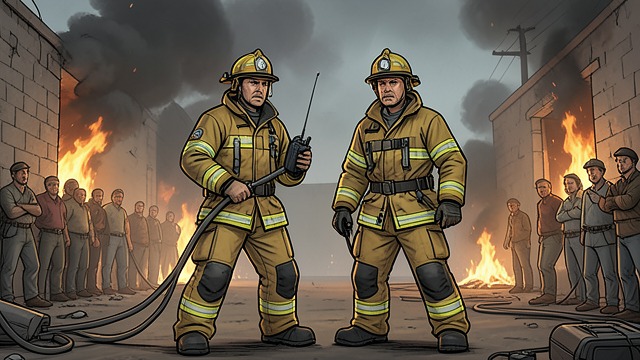
The Compound fires threaten more than the people who live inside its walls. Case directs the response while Brall’s men help contain the flames.
A temporary alternative
Both leaders delay their fight and cooperate without pretending they trust one another. Saving the town offers an immediate purpose stronger than the desire to punish the other side.
The truce reveals that practical work can interrupt cycles of retaliation. Shared need does not erase grievance, but it makes another way of acting imaginable.
Justice Before Battle
The Conflict’s Target Changes
Troy exposed
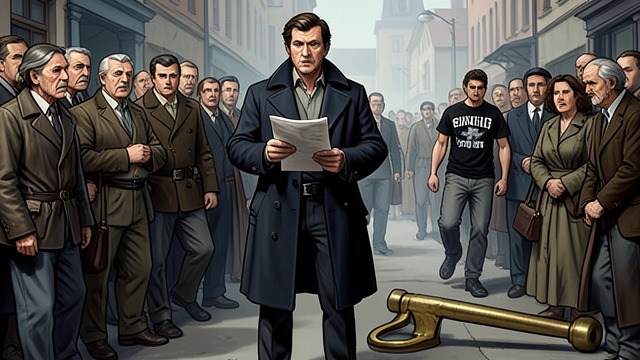
Sandra’s testimony reveals that Troy has helped create the very crisis he claims to manage. The crowd’s attention shifts from a battle between gangs to the question of whether Troy should retain power.
Force restrained by legitimacy
Case and the assembled followers do not simply kill Troy in private. The public accusation allows the community to understand why his authority is being rejected.
The scene distinguishes retaliation from accountability, even though the outcome remains violent. Evidence and public judgment change the meaning of force before it is used.
A Treaty Instead of Conquest
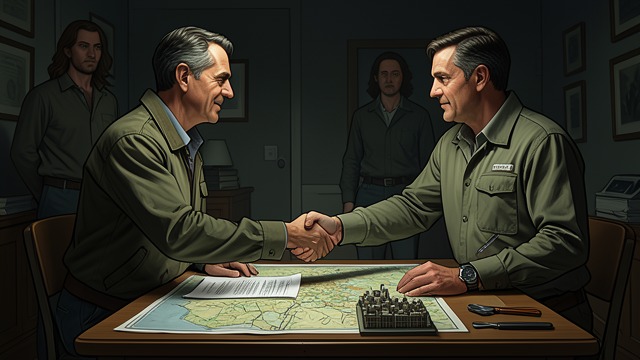
Conflict Converted
Mutual dependence
Case and Brall recognize that defeating the other would damage the economic and political future each wants for Temple. Their agreement assigns work rather than demanding surrender.
A fragile peace
The Treaty creates shared incentives in security and trade. It cannot undo deaths or guarantee goodwill, but it gives the factions a reason to manage disagreements without immediate war.
The resolution presents governance as a practical alternative to revenge. Peace is not reconciliation of every grievance; it is an arrangement strong enough to make renewed violence less useful.
during Brall’s early confrontation with the Family
after Carthage is killed
on the night of the explosions
as the gangs prepare to meet openly
at the final negotiation
