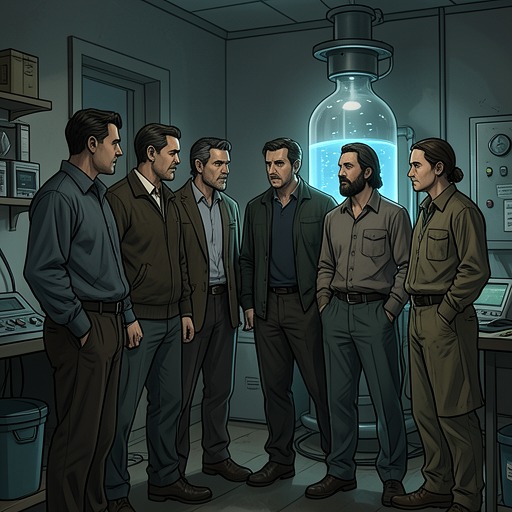
Emotional Maturity Pulse Cannon
Gate CrashersThe emotional maturity pulse cannon is an outlawed Lividite weapon whose ammunition is neither explosive nor conventionally electromagnetic: it manipulates the bioelectrical fields of carbon-based beings with centralized nervous systems. Those caught within its effect immediately recognize common ground with their opponents, abandon their weapons, and seek a constructive settlement, usually through hugging and off-key singing. In the encounter between D’armic Ytol ev Shamel and the human ships, however, the device’s celebrated power breaks against the buried strength of human aggression, turning a supposedly decisive weapon into an unexpected comic failure and forcing diplomacy to do what technology could not.
Design and Operating Principle
The cannon works directly on the bodily electrical systems associated with emotion and social response. Its effect is therefore more radical than persuasion: it does not supply an argument, reveal new evidence, or compel obedience through physical pain. Instead, it produces an immediate perception of shared ground between enemies. Weapons are dropped because the opposition itself becomes difficult to sustain; the target’s emotional and bodily state has been altered before a political agreement has been reached.
That mechanism explains why the weapon is described as one of the most feared and effective devices yet devised. Its effectiveness is measured not by casualties or destruction but by the speed with which it interrupts the emotional architecture of war. Its characteristic aftermath is deliberately undignified—embraces, singing, and a search for common interests—because the cannon converts militarized seriousness into an enforced encounter with mutual feeling. The scene presents emotional maturity as a literal force capable of acting on matter, nerves, and collective behavior.
Lividite Origins and Prohibition
The Lividites invented the cannon after their intervention and subsequent rehabilitation. Their neighboring systems had previously spent enormous resources constructing military capacities to defend against another Lividite invasion. When the Lividites renounced violence after their transformation, the danger of war declined, but the accumulated arsenals remained. The cannon emerged from that contradiction: a civilization that had abandoned aggression possessed an intimate understanding of the emotions that made aggression possible.
Its invention also reflects the political consequences of disarmament without demobilization. Once neighboring systems retained idle militaries, they began reopening centuries-old grievances and creating new conflicts simply because the weapons and institutions for conflict were still available. The Lividite solution was accordingly not another destructive weapon but an instrument designed to neutralize the emotional basis of combat. Even so, its use was outlawed through much of known space. The prohibition marks an uneasy boundary between peace and coercion: a device may prevent violence while still violating the autonomy of everyone subjected to it.
The Encounter with Magellan
D’armic Ytol ev Shamel deploys the cannon during his first confrontation with Allison Ridgeway and the crews of Magellan and Bucephalus. He has identified the humans as responsible for the geocide of Culpus-Alam and intends to take them into custody for judgment. After Allison warns her ship to brace for impact, D’armic reassures the crew that the attack should be painless and fires.
The weapon’s material action is immediate, but its intended emotional result does not follow. The human response is not surrender, remorse, or reconciliation. Allison asks whether anyone would like to watch a musical, suggesting Hamilton; Marcel Gruber rejects Rocky Horror; Maximus Tiberius reports that his people are willing to participate, while Felix Fletcher rules out Grease and Buttercup expresses a preference for My Fair Lady. The exchange is not the warm collective transformation the cannon normally produces. It is a casual, distracted conversation about entertainment, and its very normality reveals that the human crews have resisted the device’s central effect.
D’armic acknowledges that the cannon appears to have been his best shot and asks that a personal note be sent to his family before the humans destroy his vessel. Allison, recognizing that the weapon has failed to settle the encounter, proposes trying her own method instead. D’armic agrees to negotiate. The cannon therefore changes the tactical situation without resolving the political conflict: it establishes a pause, but not peace, and leaves the parties to construct an agreement through speech and procedure.
Material Agency and Narrative Function
The cannon is not merely equipment carried by an alien authority. It actively changes the available choices in the scene. Its discharge prevents the expected escalation from moving directly toward destruction, yet it does so through an intervention that bypasses consent. The device makes feeling a battlefield and exposes the political ambiguity of a weapon designed to end weapons-use. Its nonlethal operation does not make it neutral; it still acts upon bodies, rewrites immediate reactions, and attempts to determine what kind of relationship its targets can have with their enemies.
Its failure is equally significant. Human aggression is described as so strong and so deeply buried in the lizard brain that the crews feel only the faintest, least consequential effect. The result contrasts the Lividites’ post-rehabilitation mastery of emotional manipulation with humanity’s unresolved militarization. The cannon can interrupt overt hostility in species whose emotional systems remain accessible to its influence, but it cannot manufacture maturity where aggression has become structurally entrenched.
The episode also gives the object a satirical function. A weapon reputed to compel hugs and singing meets crews who respond by arguing over musicals and snack-like entertainment rather than becoming emotionally reconciled. The absurdity does not erase the danger of the confrontation; it makes the limits of technological solutions visible. The cannon can create the conditions for a conversation, but Allison must still choose diplomacy, and D’armic must still consent to it. Its decisive narrative contribution is therefore not victory but delay: it interrupts violence long enough for judgment, responsibility, and negotiation to re-enter the scene.