
The Family’s Interlocking Crises
Gente que viene y ¡Bah!Bea’s return exposes separate family struggles that gradually become shared tests of honesty, care, and belonging.
increasing Bearing strength in each event
 decreasing
Bearing strength in each eventdecreasingHome as a Place of Teasing
A refuge that is not quiet
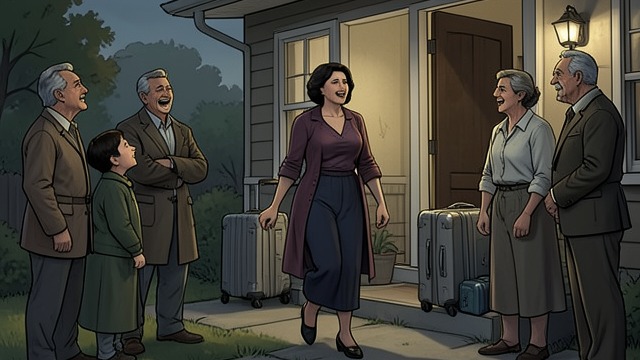
A chaotic welcome
Bea arrives expecting refuge but is immediately teased about her oversized suitcase, her canceled wedding, and her lost job. Her relatives laugh at her dramatic account even as the family makes room for her.
Affection in an unusual form
The family’s teasing initially feels cruel to Bea, who wants sympathy without an interrogation. Yet the familiar noise and shared routines begin to make the house feel emotionally safe.
The home’s care is imperfect but substantial. Bea must learn that this family often expresses love by refusing to turn every setback into a solemn emergency.
Jonás Comes Home for Good
A changed marriage
Retirement alters the household
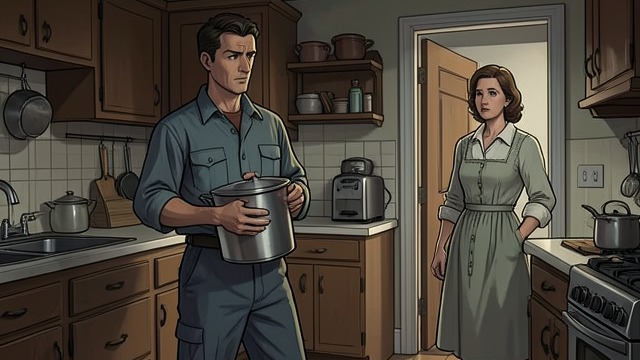
Jonás returns from sea after taking early retirement. Ángela has spent years living with a rhythm of four months together and eight months apart, and she is uneasy about having him at home permanently.
Friction over ordinary life
Jonás wants to cook, rearrange routines, and find projects for his energy. Ángela sees some of these changes as needless interference, while Bea encourages both parents to give one another room to adapt.
The couple’s problem is not lack of affection. Their long marriage must adjust to a new daily structure after decades in which distance itself helped dissolve disagreements.
Ángela and Jonás’s Past
A family history disclosed
An earlier betrayal
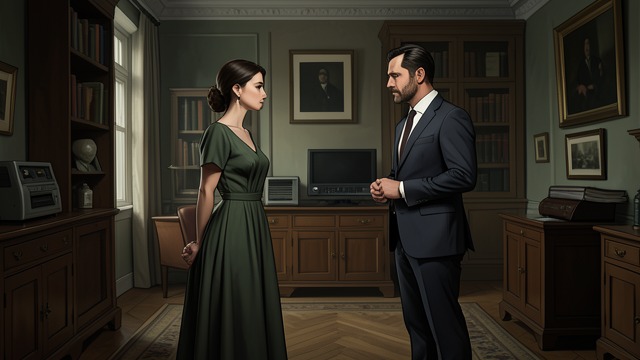
Ángela tells her daughters that before marrying Jonás she was engaged to his older brother, Tomás. She and Jonás began an affair while Tomás was still her fiancé, and the discovery drove them both away from the family.
A changed view of wrongdoing
The story unsettles the daughters, especially because Ángela’s past resembles Débora’s present crisis in its betrayal and fear of consequences. Ángela does not claim that the experiences are identical, but she shows that a grave mistake need not erase a whole life.
The revelation shifts the family’s moral frame from condemnation toward accountability and survival. It gives Débora an example of a life built after a serious transgression without pretending no one was hurt.
Bea’s Siblings Turn on Her
A return blamed for upheaval
Separate wounds converge
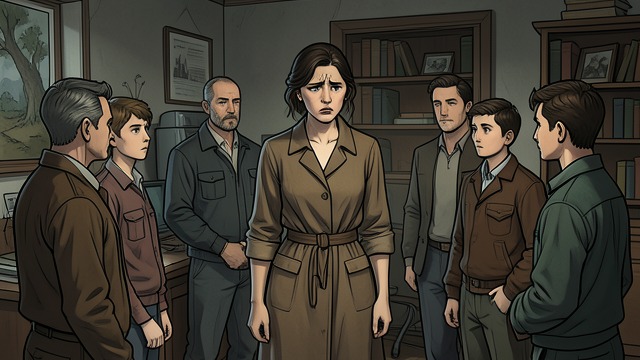
Irene loses political ground, Débora’s private history becomes public, and León’s relationship is drawn into the press. Each sibling sees Bea’s return as connected to a larger chain of trouble, even when she did not intend those outcomes.
Bea accepts too much blame
Bea hears accusations from Débora and feels that she has brought chaos into the household. Her instinct is to leave rather than force her siblings to reconcile on her timetable.
The family’s anger is real, but the story distinguishes responsibility from total blame. Bea contributed to some events through impulsive choices; she did not control every consequence or every person’s response.
The Notebook Reunites Them
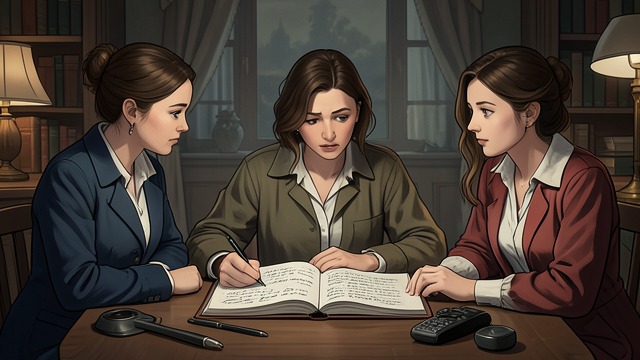
A mother’s voice remains
Notes for separate lives
The family reads Ángela’s messages, which acknowledge each person’s distinct needs rather than prescribing a single model of happiness. Her advice combines affection, teasing, and practical acceptance.
A shared release
When Bea reads that death makes other problems look ridiculous, the sisters see how petty their mutual blame has become beside the loss of their mother. The family laughs through tears and begins to stand together again.
The notebook does not restore their earlier household. It gives them a way to continue as a family changed by grief, with no need to pretend that their conflicts never happened.
On Bea’s arrival in Cantabria
On the birthday weekend
After Débora admits her encounter
After Rebeca’s interview and the newspaper exposé
At the family gathering after Ángela’s cremation
