
Grief, Regret, and Starting Again
Gente que viene y ¡Bah!The novel follows several forms of grief and regret toward a difficult recognition that life continues without returning to the way it was.
increasing Bearing strength in each event
 decreasing
Bearing strength in each eventdecreasingBea’s Grief for a Lost Future
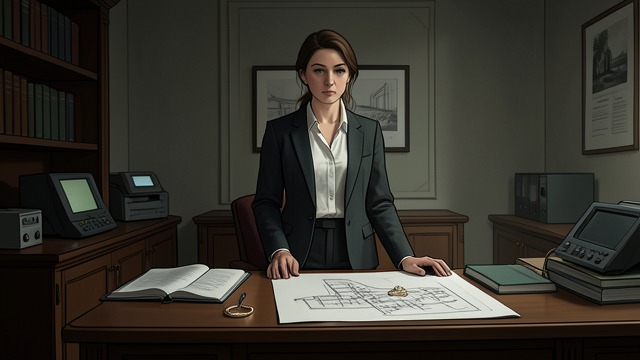
Losing more than a partner
A future dismantled
Víctor’s public declaration wounds Bea because it seems to erase their engagement and five years together. She feels replaced not only as a lover but as the person who believed she understood him.
Work and identity also collapse
At nearly the same moment, Bea loses her job and questions whether architecture still belongs to her. The breakup is therefore tied to the disappearance of a planned marriage, a city life, and a professional identity.
Her recovery requires separating these losses. A relationship may end without proving that she lacks talent, and a damaged career can still contain the beginnings of a new vocation.
Diego’s Unfinished Mourning
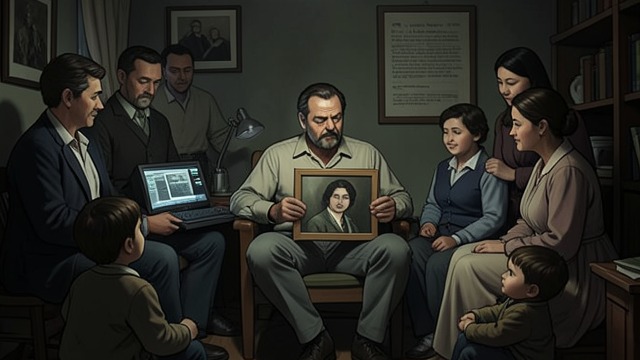
Life organized around absence
A widower’s household
Diego lives with his in-laws and daughter after Diana’s death. He describes his marriage as difficult and vivid, and admits that he does not know how to imagine life without the past he shared with her.
A cautious connection
Bea and Diego become intimate, but he later withdraws, saying he is not ready to build a new relationship while his wife’s death remains so near. His daughter’s wellbeing and his own grief both shape that retreat.
Diego’s hesitation is understandable, but it still hurts Bea. The story refuses to treat grief as either a flaw to overcome quickly or a license to leave another person without clarity.
Ángela’s Absence
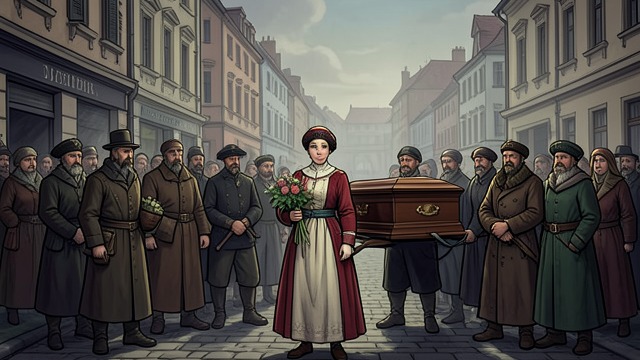
The ordinary world continues
A sudden rupture
Bea returns to Cantabria after Irene tells her Ángela has died. The town remains active around her, and that ordinary motion feels unbearable because Bea’s own world has stopped.
Shared mourning
The family and the community gather with food, stories, and practical help. Their presence does not undo the loss, but it allows grief to be carried by more than one person.
Ángela’s death makes everyday continuity feel absurd before it becomes necessary. The family must eventually live inside a world that did not stop when she did.
The Meaning of Regret
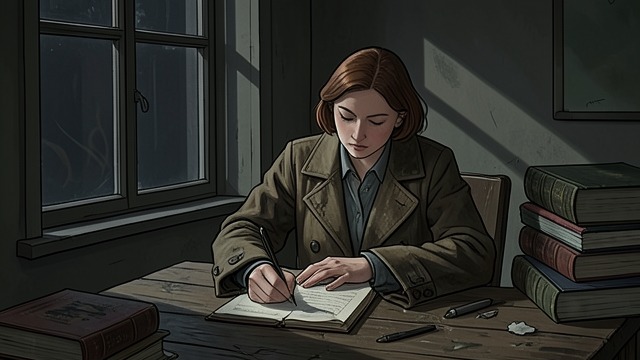
Past mistakes in perspective
A written inheritance
Ángela’s notes acknowledge the family’s betrayals, ambitions, fears, and attachments without pretending that everyone acted well. Her humor makes room for mistakes without declaring them harmless.
Death changes scale
Her observation that death makes other problems look ridiculous helps the sisters stop treating each other’s failures as permanent identities. They can still be angry, but grief reminds them that continued connection matters more than winning an old argument.
The novel presents perspective not as forgetting harm, but as recognizing that no single mistake should consume the whole of a life. The living have time to repair what the dead can only leave behind in words.
An Invitation to Continue
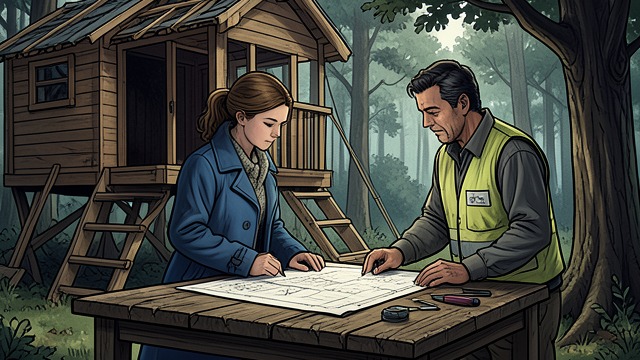
Grief makes room for a future
A practical offer
Diego meets Bea after Ángela’s ashes are scattered and offers to help her face her own loss. He explains that he and León are planning a treehouse hotel and asks Bea to design it.
A mutual opening
Diego admits that he regrets letting Bea leave in anger, while Bea recognizes that the invitation gives her a way back to both architecture and the person she still loves. She agrees to finish Diana’s treehouse first.
Their renewed connection does not replace either woman who died or erase the failures that preceded it. It gives Bea and Diego a shared task through which grief and hope can coexist.
After Víctor publicly names the presenter the love of his life
During Bea’s first months on the treehouse project
On the autumn day the family learns of her death
As the family reads Ángela’s notebook
At the chestnut grove after the ash-scattering
