Bea
Gente que viene y ¡Bah!Bea is a talented young architect and the first-person narrator whose private reversals become inseparable from the public upheaval around her family. In the same week, she discovers her fiancé Víctor kissing a television presenter and loses her job with only a meagre severance payment. Her return to her hometown in Cantabria begins as refuge from these blows; it ends with a choice to rebuild both her professional life and her future with Diego.
Identity and the First Rupture
Bea is introduced through the collision of two losses. She is a young, gifted architect, but professional ability offers little protection when her employer dismisses her just as her engagement collapses. The sequence strips away the life she had been preparing to continue: a career in Madrid, a forthcoming wedding, and the certainty of a future with Víctor. The small indemnity underlines how little security the job loss gives her.
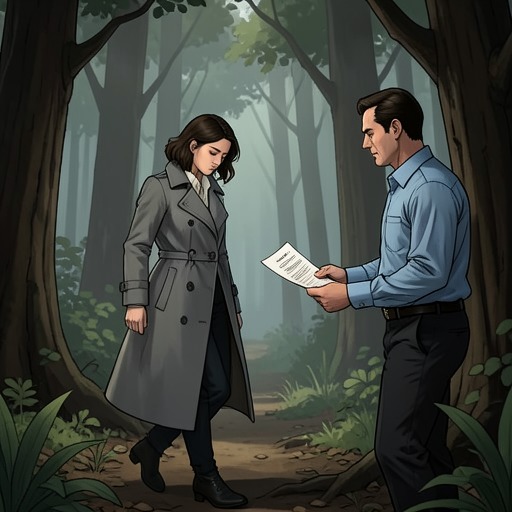
The betrayal becomes undeniable when Bea’s sister Débora recognizes Víctor on television and asks whether the architect on screen is the same man. Bea confirms it. In the encounter itself, Víctor has just separated his lips from the presenter’s; Bea responds by taking her engagement ring from her bag and forcing it into his mouth. The ring, meant to mark a promised marriage, becomes an instrument of rejection. Her anger is theatrical and impulsive, but the gesture makes the breakup impossible to mistake for a misunderstanding.
Return to Cantabria
Bea arrives in Santander with a broken suitcase wheel and the physical strain of hauling a twenty-kilogram case through the train station. The return gives her relief: the damp air is familiar, and she is home among family and the few friends she still has. Yet home also pulls her toward an earlier version of herself. She fears that coming back means she has not advanced or grown, and recognizes a younger self still hungry for affection and approval beneath the stronger person her sisters believe her to be. The hometown is therefore both shelter and an unwelcome measure of how far she thinks she has failed to travel.
The family’s surroundings are already divided by the San Esteban Biomass Plant. Bea hears the case for it through Irene’s confident account: supporters expect clean, inexpensive energy, an outlet for otherwise unusable forest wood, jobs, and electricity for fifty thousand people. Irene presents the project as a way to combine trees with energy and make the region a pioneer in Spain. She also describes the hostility directed at her, including accusations that a left-wing woman should be saving every tree and that she has betrayed Cantabria. Bea’s return places her within this conflict, though the argument belongs to Irene’s political struggle as well as to the town.
That struggle grows more serious when Bea sees a newspaper report alleging that Irene threatened two landowners with expropriation if they would not agree to sell their trees to the biomass factory. Later, a television presenter attacks Irene over the environmental and economic claims made for such plants, then turns to the political arrangements behind the project. During the interview, the presenter produces a copy of an agreement changing the plant’s parameters—something Irene says she did not know about—and accuses the plant and the mayor of putting profit ahead of residents’ health. Bea witnesses Irene losing her composure as the interview turns into a public defeat. The competing accounts show how the project is framed in sharply different terms: as green progress, environmental harm, or political compromise.
Private Pain in Public
At a demonstration, Bea finds herself pursued by journalists and cameras. She sees Rebeca Ramos, the presenter reporting from the protest, and connects the public chaos to her own private history: in Bea’s mind, if she had not encountered Víctor at Casino de Madrid, she would be preparing for her wedding rather than facing this spectacle, while Irene might still be secure as mayor and Diego might still have his fortune. This is Bea’s anguished accounting of how one past encounter seems to have spread into other people’s lives; it is not a neutral explanation of the town’s political crisis.
Bea then makes a desperate calculation. Since the press following her is interested in gossip, she thinks a personal, sensational story might displace ecological news that attracts less attention. She calls out to Rebeca Ramos, hoping to turn the cameras toward herself and away from the demonstration. The moment brings Bea’s private disgrace into direct contact with the public dispute: she tries to use the same media attention that once exposed Víctor’s betrayal as leverage in a political crisis. The evidence establishes her intention and her call, not whether she succeeds in changing the coverage.
Departure and Return to Work
Irene loses the mayoralty after five councillors from her own party vote with the opposition, and the motion passes by a decisive majority. Bea feels unable to look her sister in the face. Although Irene does not directly blame her, Bea believes her presence has compounded her sister’s distress; Débora, meanwhile, makes no effort to conceal her hatred of Bea. Convinced that she has brought her own chaos into the family’s lives, Bea decides she has no place left in the town and plans to return to Madrid, find work and an apartment, and start over.
The day before she intends to leave, she sees a pink Mercedes parked in the village square and decides to wait for Diego. She has rehearsed what she wants to tell him: that he was wrong, that his actions ensnared her emotionally, and that his retreat after fighting for her felt like cowardice. As drizzle becomes a downpour, she stays beside the car rather than seeking shelter. Diego finally runs toward it, bent against the rain, and nearly collides with her before noticing her. The scene reverses the departure she had planned: instead of leaving without confronting him, Bea holds her ground until he appears.
A New Commission and a Shared Future
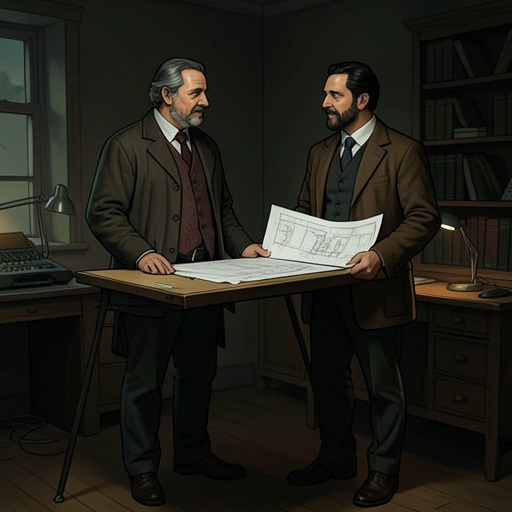
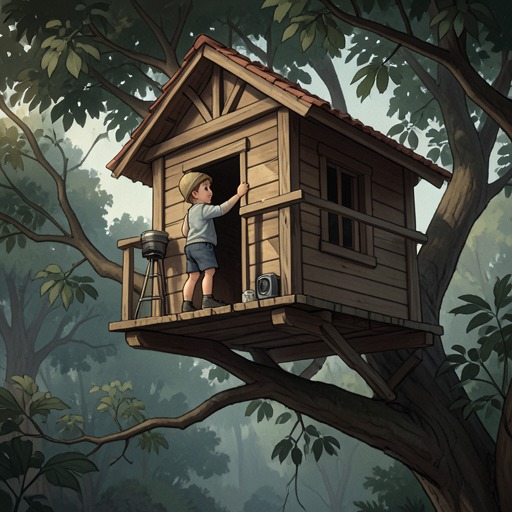
Bea’s eventual return to architecture arrives through a concrete offer. Diego tells her that the project still needs the best architect and asks whether she will accept the work. The immediate commission is to build a treehouse for his four-year-old daughter. Bea does not need long to answer. Thinking of her mother’s belief that mistakes must be accepted and that they can lead to unexpected places, she understands her own errors and entanglements as the route that has brought her to Diego.
Her acceptance looks beyond the child’s treehouse to a more ambitious project: a hotel among the trees, to be built with Diego. The offer joins professional renewal to the possibility of a shared life, without erasing the grief and uncertainty that preceded it. Bea also recognizes Diego’s achievement in helping his daughter begin speaking after the death of her mother, and wonders whether he might help her move through the death of her own. The ending gives her no abstract promise that the past has been repaired; instead, it gives her work to do, a decision freely made, and a future she agrees to build alongside him.