Bea Returns to Her Family Home in Cantabria
Gente que viene y ¡Bah!Bea Returns to Her Family Home in Cantabria marks the shift from the wreckage of Bea’s life in Madrid to an uncertain retreat among her family. After the wedding is cancelled and her relationship with Víctor has broken down, she takes a train to her parents’ house. The return offers shelter, but not uncomplicated comfort: Santander is at once her place of origin and a powerful reminder of the younger self she fears she has never fully outgrown.
Causes and Background
The journey follows a confrontation over Víctor’s relationship with a television news presenter. Bea’s sense that everything has deteriorated from that point is compressed into the decision to take the train home. Her departure is an immediate response to upheaval, not the result of a settled plan for what should come next. Madrid has ceased to offer a workable place to remain, while her family home is the refuge she can reach.
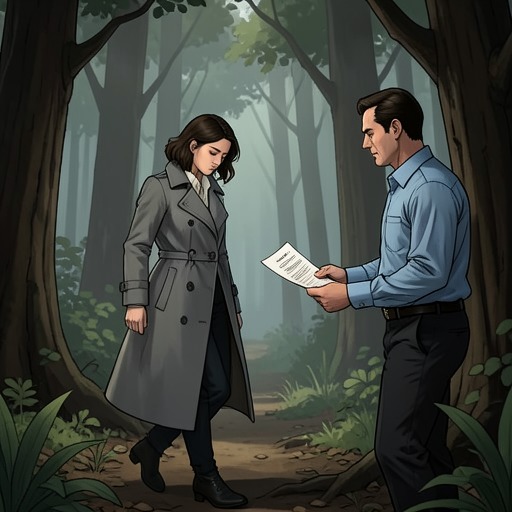
The physical journey makes that vulnerability concrete. At the station, Bea struggles to lower her twenty-kilogram suitcase from the train’s overhead rack after other passengers leave her to manage it alone. She injures her back, feels pain and numbness in her right hand, and then discovers that a wheel has broken as she drags the case onto the platform. The luggage that carries her out of her former life is therefore not an effortless symbol of freedom: it is heavy, damaged, and difficult to move.
Arrival in Santander
On reaching Santander, Bea recognizes the humid air and familiar smell of the Cantabrian city. Homecoming brings two opposing responses. She is glad to return to her place of origin, to see her family and the few friends she may still have, yet she also feels as if a force has drawn her back before she managed to advance. The city awakens the sense that she is again the adolescent who needed affection, esteem, and approval. She wonders whether this return is less an exhibition of strength than a willingness to fall back into that earlier self: sometimes apathetic, sometimes dreamy, and persistently angry.
The station offers no reassuring welcome from strangers. Bea notices people looking at her as an unwelcome presence, and their complaints about the pace at which she moves the broken suitcase add to the humiliation. She expects no practical rescue from a red-haired man who passes with a little girl and two small backpacks, but had hoped for a smile or a few words of encouragement. He does not notice her. The episode sharpens the solitude of her arrival: Bea is back among familiar landscapes, but begins the return feeling conspicuously unsupported.
The Family Home and What Remains Unsaid
Before opening the door with keys still on the same ring as those to her Madrid flat, Bea hesitates. She anticipates the old family quarrels, reproaches, and rivalries between sisters, and wonders whether coming home was a mistake. Her doubts make the house a refuge that also threatens to return her to familiar roles. Inside, Débora announces Bea’s arrival by remarking on the enormous suitcase. A three-legged dog approaches to sniff her; Ángela has a habit of adopting old, unwanted dogs, a household practice that has made the children familiar with death while teaching them not to become too attached.
Bea’s family already knows that the wedding cancellation is serious and that she has left her home: Víctor has called and told them. Bea has not, however, told them anything beyond the group email cancelling the wedding, and she does not want pity or an interrogation. Her reserve is not simply an absence of trust; she insists on the right to seek shelter without being made to account for every detail. Ángela’s manner of caring helps explain why that seems possible. She loves her daughters but does not hover over them, and her apparent unconcern keeps a crisis from becoming a family spectacle. Irene has taken on more of the responsible, matriarchal role, while their mother’s refusal to treat every trouble as a catastrophe gives Bea space to begin recovering.
The Beach and an Unsettled Future
After leaving her old bedroom, Bea walks to the beach, hoping the night air will calm her and help her put Víctor out of her mind. Instead, the scale of her grief surprises her: it is difficult to think, and at moments even to breathe. The walk distinguishes the impulsive acts she has already managed—packing, leaving, and sending an angry email cancelling the wedding—from the harder work of accepting that her life has changed. She has no clear answer about where she will live or how she will find work as an architect.
The crisis also reaches beyond the engagement. At thirty-one, Bea questions whether she still wants to spend herself on megalomaniac architectural projects that rarely come to fruition, especially after she was dismissed when one finally did. She wonders whether she might choose another profession and jokes to herself about designing lamps, but the possibility remains unsettled. The beach gives her space to face that uncertainty rather than resolve it. Its sand, sea, and winter solitude are among the things she missed most in Madrid, and the frozen water forces her back after only a few seconds. Returning barefoot, with sand still on her feet, she looks toward the Andrada Family Estate. The episode ends not with a new direction secured, but with Bea back in familiar surroundings and newly aware that neither the relationship nor the career she left behind can simply be resumed.