
Irene and Román’s Political Conflict
Gente que viene y ¡Bah!The strained relationship between Irene and her ex-husband turns private resentment into political pressure around the biomass project and their son’s future.
increasing Bearing strength in each event
 decreasing
Bearing strength in each eventdecreasingOpposition at City Hall

A former marriage in public
The policy dispute
Irene argues that landowners can benefit from selling timber or joining the project’s forest plan. She presses them forcefully, sometimes invoking the possibility of public acquisition if they refuse.
Román’s challenge
Román arrives with objections about other municipal issues and accuses Irene of concentrating too much on the power plant. Their exchange carries the tone of political debate but also the personal familiarity of former spouses.
Their conflict is difficult to separate into public duty and private grievance. Román’s opposition may be sincere, strategic, or both; Irene’s certainty makes it harder to determine where persuasion ends and pressure begins.
A Threat Over Fin
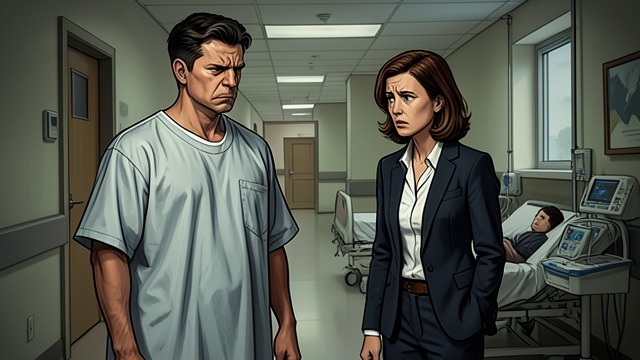
Parenthood used as leverage
An argument in crisis
Román confronts Irene at the hospital and accuses her of neglecting Fin because of her political work. He threatens to remove her from office so that she will have to spend more time with their son.
Irene resists the threat
Irene tells him that Fin is old enough to have a say and recognizes that Román is using their child to advance his hostility toward the plant project. The argument exposes the continuing conflict between their parenting responsibilities and political rivalry.
Fin’s accident intensifies the stakes but does not justify weaponizing his wellbeing. Their relationship remains adversarial even when their concern for him is genuine.
The Press Campaign
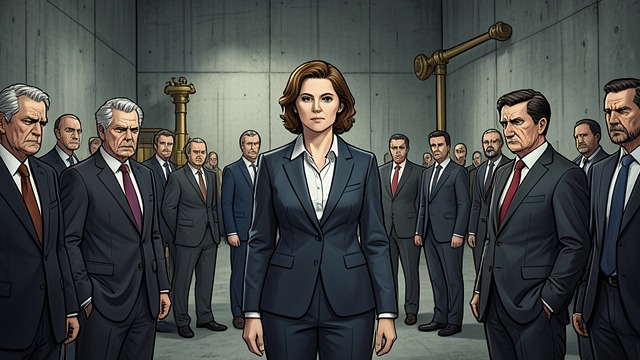
Private information becomes ammunition
Pacheco’s reporting
Pacheco publishes allegations that Irene threatened landowners with expropriation. He tells Bea that Román is supplying information and promises further revelations about the family’s protest at the chestnut grove.
Motives blur
Irene disputes the claim that she coerced anyone, while Pacheco argues that the public deserves to know how the project operates. Bea recognizes that some statements may reflect Irene’s forceful rhetoric, even if the article exaggerates them into a corrupt plan.
Román’s role makes the conflict feel personal, but the reporting also concerns public power. The story leaves room for scrutiny while showing how revenge can shape what evidence is selected and how it is framed.
A Public Defeat
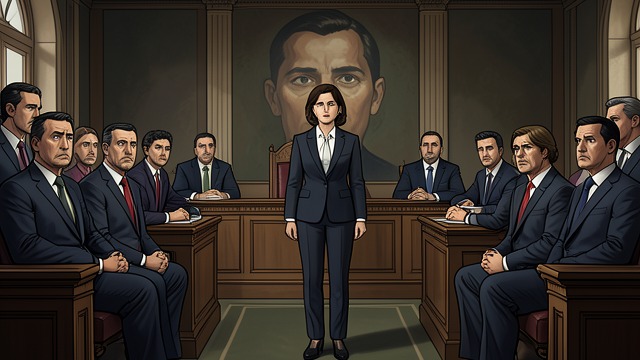
Political loss and family strain
Irene is removed
Five members of Irene’s own party vote against her in a no-confidence motion. The challenge that her opponents had threatened finally succeeds, and her mayoralty ends.
Consequences beyond office
Irene feels humiliated and exhausted, while Bea interprets the loss as another consequence of her presence in town. Román’s campaign contributed to the atmosphere, but Irene’s defeat also reflects the project’s unpopularity and the loss of trust among her colleagues.
The ending of Irene’s tenure is not presented as the simple triumph of one spouse over another. It leaves her with the harder task of deciding who she is when political authority is no longer her central role.
A New Direction for Fin
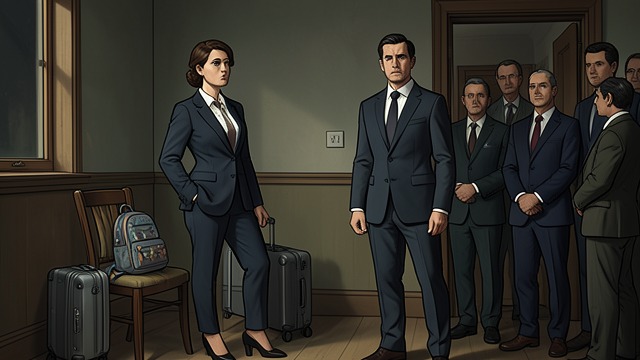
A different family arrangement
Listening to Fin
Once Teodoro explains that Fin’s existential anxiety conceals fear of losing motocross, Irene takes his wish to compete abroad seriously. She agrees to travel with him rather than treating his ambition as an adolescent phase.
Leaving the political center
Irene prepares to move to Bélgica and seek work as a lawyer, while Jonás supports the decision. Her life after the mayoralty becomes organized around her son’s future rather than the campaign she has just lost.
The choice does not erase the conflict with Román, but it changes its terms. Irene acts on Fin’s needs instead of using politics or custody as a proxy for the family’s disagreements.
During Irene’s meeting with landowners
At the hospital after Fin’s motocross crash
After the first local article about Irene
After the no-confidence motion
After the family reads Ángela’s notebook
