
Bea’s Public Identity and Private Shame
Gente que viene y ¡Bah!Bea’s sudden fame turns a series of impulsive acts into a media identity she must confront without letting public ridicule define her.
increasing Bearing strength in each event
 decreasing
Bearing strength in each eventdecreasingThe Woman on the Train
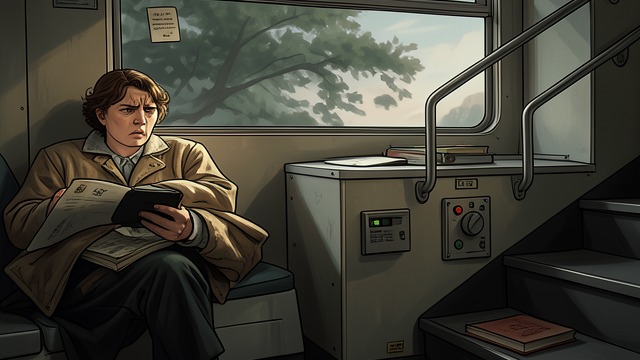
A lost phone becomes a spectacle
Accusing a stranger
Bea’s phone disappears from a train bathroom, and she accuses a young passenger of stealing it. Her distress over the breakup spills into the confrontation, drawing the attention of the entire carriage.
The actual owner
A small girl returns the phone, revealing that it had remained in the bathroom. Bea has wrongly accused the passenger and is left exposed as the disruptive person she feared others thought her to be.
The incident establishes a recurring pattern: Bea’s fear of being powerless can turn quickly into aggression, and her confidence often outruns the evidence. Her embarrassment does not make the original pain unreal, but it does require accountability.
A Second Lost Shoe
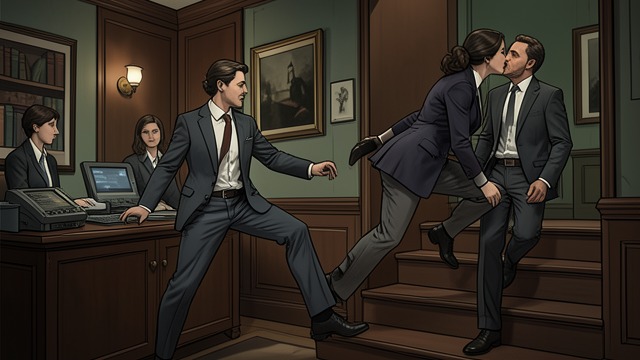
Repeating a familiar pattern
A drunken intrusion
Bea goes to Hotel Cantábrico to confront Víctor after drinking. The receptionist refuses to disclose his room, and Bea’s attempts to reach the computer and climb the stairs escalate the situation.
A visible trail
She kicks the receptionist, loses a shoe, and reaches Víctor’s room, where she kisses him. By morning, she has to reckon with her behavior as well as the renewed intimacy.
The episode echoes her earlier train outburst: distress becomes action before judgment can catch up. The novel’s humor softens the scene but does not remove its consequences.
A Private Mistake Goes Public

The press creates a character
The recording airs
A hidden-camera segment lets the receptionist describe Bea as a difficult intruder who threw a shoe. The footage contains a real event but strips it of the emotional context that led to it.
A reputation arrives first
The story is repeated on television, and people in San Esteban begin to recognize Bea as the famous presenter’s unstable ex. Bea finds herself discussed by strangers before she has time to understand what the public knows.
Media attention makes it tempting for Bea to see herself through the caricature. Her challenge is to admit what she did without accepting that one night defines the whole person.
The Family in the Headlines
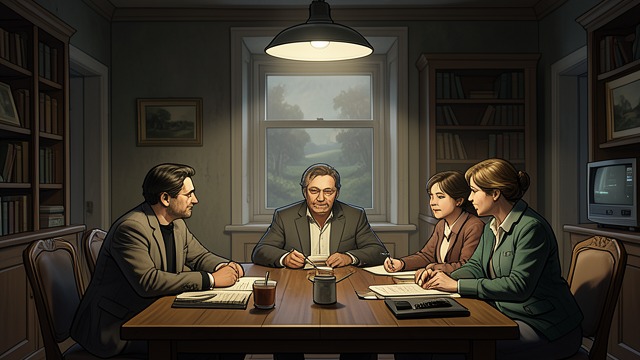
Private lives assembled as scandal
The profile’s portrait
A national report connects Bea’s impulsive return, Irene’s political struggles, Débora’s affair, and León’s relationship into a single lurid family portrait. Its framing implies that private eccentricity and political corruption belong to the same story.
Shame and resentment
Bea is embarrassed by the attention and feels responsible for how the article affects her sisters. The profile further isolates the family just as Rebeca prepares to interview Irene.
The report shows how media narratives gain force by making complicated people legible as types. Bea’s family must resist both the false claims and the temptation to hide every unusual fact about themselves.
Fifteen Minutes That Last
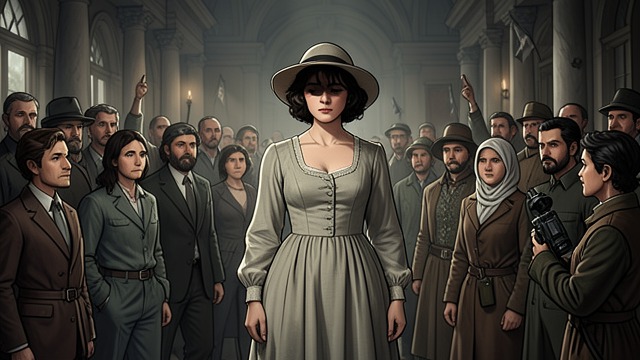
Fame without control
A memorable confrontation
Bea’s public clash with Rebeca becomes a staple of entertainment programs. Her remarks about refusing Víctor and attacking the presenter are edited and repeated as a comic spectacle.
Recognition without relief
Some viewers admire Bea, while others treat her as an amusing character. She does not want this kind of fame, and the attention continues to complicate her search for work and her return to ordinary life.
The episode distinguishes visibility from recognition. Being watched does not mean being understood, and public applause cannot substitute for privacy or emotional repair.
On the train to Santander
The night Bea visits Víctor at the hotel
The evening after the hotel encounter
The morning the national profile appears
During the week after the demonstration
