
Ángela’s Gift and Family Care
Gente que viene y ¡Bah!Ángela’s unusual empathy shapes her reputation, her family’s understanding of care, and the instructions she leaves for them after her death.
increasing Bearing strength in each event
 decreasing
Bearing strength in each eventdecreasingA Reputation for Empathy
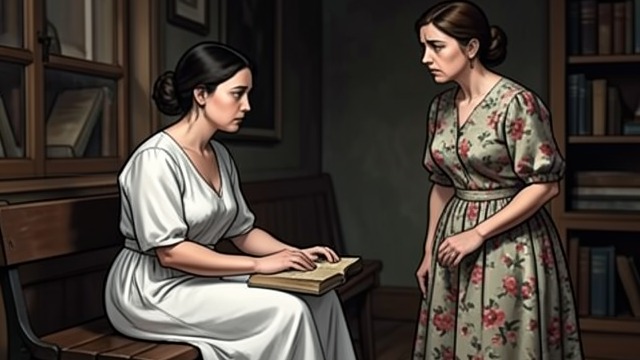
The mother who feels others’ pain
An unusual practice
Ángela can sense other people’s physical and emotional distress through touch and often directs them toward appropriate medical care. Patients visit her without paying, frequently bringing food instead.
A family shaped by absence
Her willingness to attend to neighbors leaves less time for conventional parenting. Irene often assumes the role of organizer, while the daughters learn to treat their mother’s attention as both generous and difficult to claim.
The gift is presented as extraordinary, but its cost is ordinary and intimate: Ángela gives so much attention away that the family sometimes mistakes restraint for indifference.
Bea Resists Diagnosis
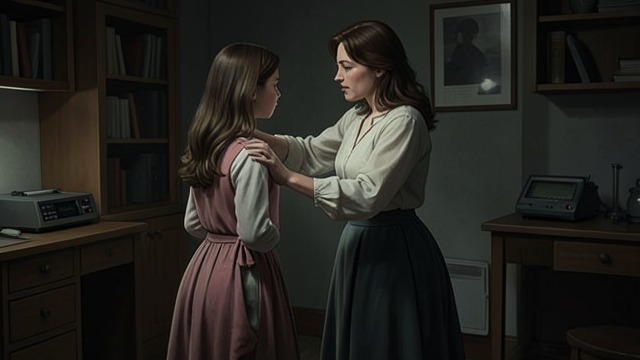
Concern without permission
A mother’s reading
When Ángela touches Bea’s back, she senses how badly her daughter is hurting and worries that the emotional damage may be severe. Bea resists the sympathy, insisting that she came home for her mother’s birthday rather than to be treated as a patient.
The mother’s limits
Ángela’s gift is less reliable with her own children, whose symptoms she tends to magnify. Bea’s resistance protects her from being turned into a diagnosis, but also makes it harder for her to accept comfort.
Their encounter reveals a family habit: affection often arrives disguised as argument, teasing, or practical advice rather than direct emotional care.
A Secret Held in the Body

A private diagnosis
A failing heart
Ángela learns through medical tests that her heart will not hold out indefinitely. She does not tell her family, partly because she hopes that refusing to say it aloud might somehow keep the outcome away.
Care without disclosure
She continues supporting patients and relatives while recording thoughts in a red Hello Kitty notebook. The family sees her as increasingly tired, but she presents concern about her waning empathy as the main issue.
Her silence is protective and loving, yet it also denies those closest to her a chance to share her fear. The notebook becomes the bridge between the private knowledge she carried and the family left behind.
The Sudden Death
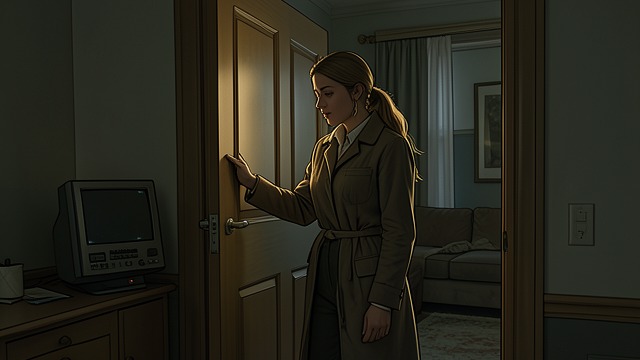
A death without warning
The call
Irene tells Bea by phone that Ángela has died. Bea is unable to answer at first, then returns to the family home in shock and struggles to enter a house that no longer contains her mother.
The community gathers
Patients, neighbors, relatives, and acquaintances arrive with food and memories. The scale of the gathering makes clear how much of Ángela’s life was spent quietly caring for others.
Bea’s grief is intensified by her absence during her mother’s final months, even though she had shared meaningful time at home. The death turns earlier family disputes into small matters without making the loss itself feel small.
Instructions for the Living
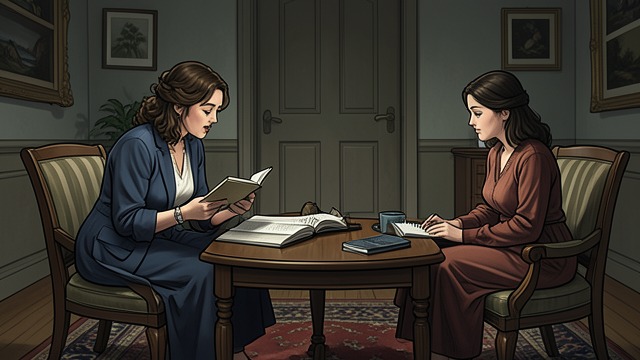
The notebook becomes a final conversation
Messages for each relative
Bea reads Ángela’s notes aloud: Jonás should keep cooking, Débora may use her empathy in her own way, León need not rush into cohabitation, and Fin should stop treating death as a reason not to live.
A family reunited
Ángela’s final message to Bea says that death makes many other problems look ridiculous. Her words help the sisters stop blaming one another and recognize the family they still have.
The notebook does not resolve grief, but it converts Ángela’s private care into guidance the family can carry forward. Her voice remains present through practical humor and a refusal to let shame define their lives.
During Bea’s first days at home
After Ángela touches Bea’s injured back
During the months before Ángela’s death
On a sunny autumn day, months after Bea leaves Cantabria
After the cremation and family gathering
