
Bea and Her Sisters
Gente que viene y ¡Bah!Bea’s relationships with Irene and Débora move through teasing, intervention, mutual blame, and grief toward a renewed understanding of sisterhood.
increasing Bearing strength in each event
 decreasing
Bearing strength in each eventdecreasingA Difficult Welcome
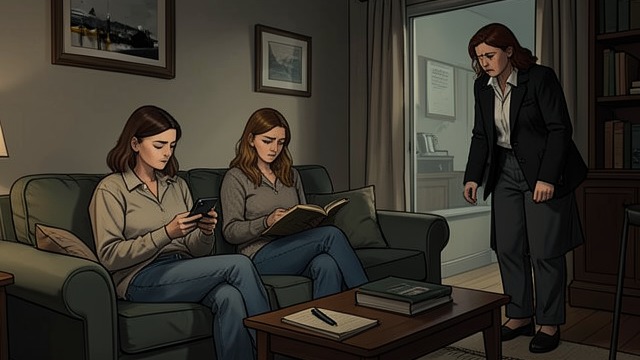
Sisters who know where to wound
The interrogation
Irene and Débora quickly identify Bea’s canceled wedding and lost job, despite her effort to pass her return off as a birthday visit. They tease her, argue about her choices, and presume she may have overreacted.
Familiar friction
Bea resents their lack of sympathy, but she also finds comfort in their familiar arguments. Her sisters know how to provoke her because they have spent a lifetime together.
The family’s closeness is not gentle at every moment. Their relationship survives because conflict exists alongside a durable expectation that each sister will remain present.
Irene’s Politics and Bea’s Distraction
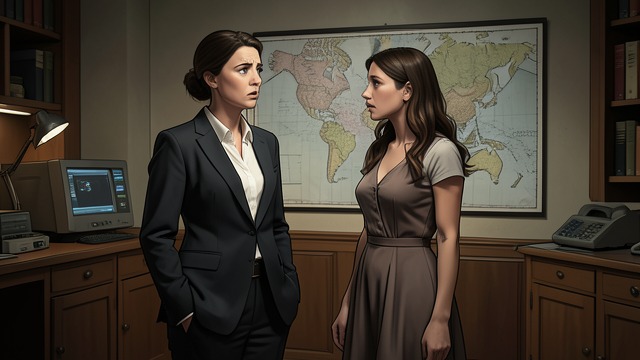
Listening is difficult
A missed explanation
Irene explains her biomass plans, but Bea is too overwhelmed by her own breakup to absorb the details. Later, when the treehouse dispute erupts, Bea discovers that the political project and her family’s land are connected.
Anger from both sides
Irene resents Bea’s failure to remember what she told her, while Bea feels she could not be expected to follow a complicated municipal project during an emotional crisis. Their arguments expose how each assumes the other should already understand.
The sisters’ conflict is not simply selfishness versus responsibility. It shows the limits of family members who care for one another but have different ideas about what deserves attention.
Débora’s Secret and Anger
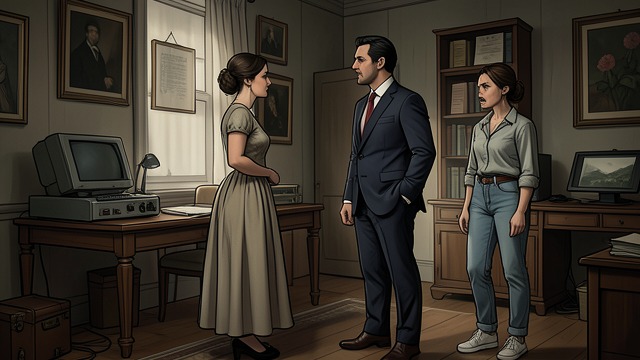
Sisterhood under accusation
A painful confession
Débora tells Juan and the family that she may have conceived Óscar after an intoxicated encounter with Teodoro. In her shame, she blames Bea for bringing drugs to her bachelorette party.
An uneven responsibility
Bea did bring the drugs, but she did not choose Débora’s actions or control the later concealment. Débora’s accusation expresses real anger while also trying to place a devastating mistake outside herself.
Their relationship becomes strained because both sisters are hurt and neither initially knows how to distinguish responsibility from blame. They need time before care can return without pretending nothing happened.
The National Story Splits Them
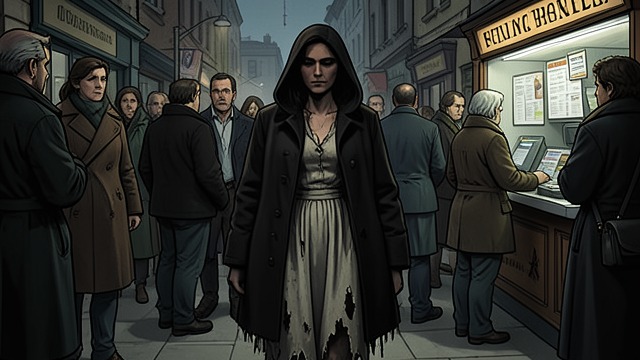
One article, separate injuries
Débora’s fear of exposure
Débora resents Bea’s return and the sequence of events that brought Teodoro into the family’s life. When the national story exposes her affair, she feels that Bea’s choices have made her private shame impossible to contain.
Irene’s political loss
Irene also blames Bea for bringing Rebeca’s attention to San Esteban, even as the project has its own environmental and political vulnerabilities. Both sisters experience Bea as a catalyst for troubles already in motion.
Their accusations are emotionally understandable but incomplete. The novel shows how public attention can make private tensions sharper, not necessarily more truthful.
Repair Through Shared Grief
A mother’s absence changes the scale
An indirect reconciliation
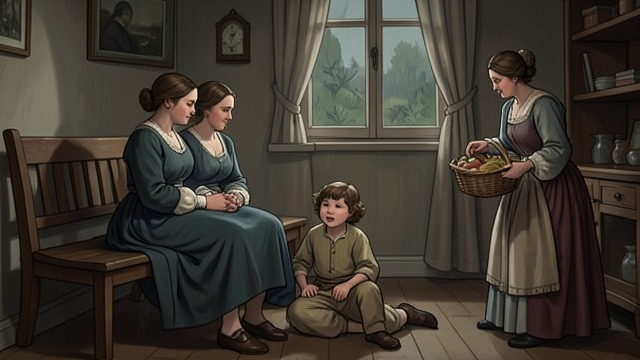
As the sisters listen to Ángela’s notes, they hear that their mother understood their strengths and failings without requiring them to become conventional. Her last message to Bea describes death as a perspective that makes other disputes seem small.
A restored family circle
The sisters do not need a formal apology before recognizing one another again. They share laughter, grief, and practical responsibilities, with Bea no longer treated as the sole source of the family’s trouble.
Their reconciliation is not a return to innocence. It is a decision to remain sisters after seeing one another at their most difficult and most vulnerable.
On Bea’s first evening back home
During Bea’s first days in the family home
After the paternity crisis becomes known
After the national newspaper publishes the family profile
After Ángela’s cremation
