
The Treehouse as a Symbol of Chosen Futures
Gente que viene y ¡Bah!The treehouse imagery links Bea’s return to creative work with Diana’s recovery and the possibility of building a shared future without erasing the past.
increasing Bearing strength in each event
 decreasing
Bearing strength in each eventdecreasingA Small Place in the World
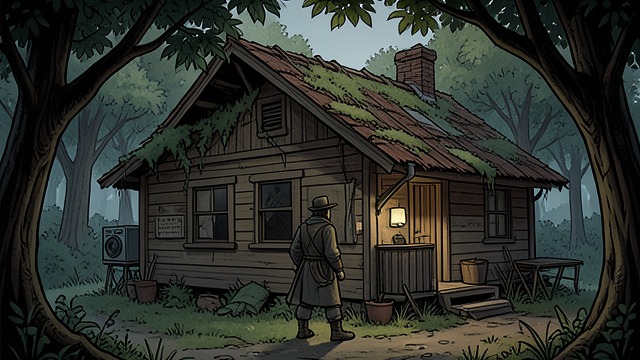
Architecture at human scale
A private refuge
Bea’s model imagines a compact wooden house among changing branches, a place where someone could withdraw from daily pressures and experience nature directly. Its small scale contrasts with the monumental competition projects that exhausted her.
A forgotten ambition
The design reminds Bea that she once cared about making spaces that felt beautiful and useful to ordinary life. Its value lies less in awards than in the pleasure of imagining a dwelling that fits its setting.
The treehouse becomes a measure of architectural integrity: not every meaningful project must be large, prestigious, or commercially conventional. For Bea, designing it is a way to recover agency.
A Treehouse Taken Away
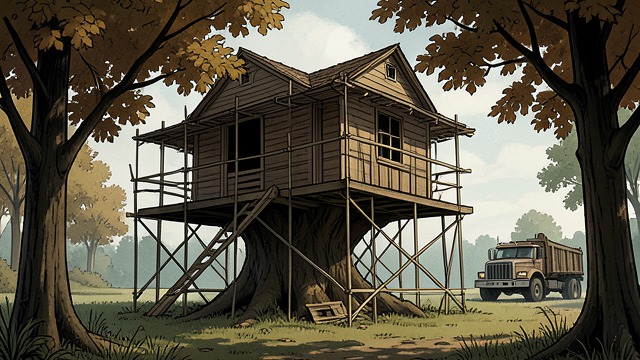
A project bound to land
Construction begins
Bea begins building on a chestnut she believes belongs to her family. The project has become a source of hope after her breakup, so the arrival of logging crews feels like the destruction of more than timber.
Loss and correction
Once the sale documents appear, she learns that the trees were legally transferred to the sawmill. Her original site is gone, along with the structure she had begun, but the design itself remains hers.
The episode separates a dream from its first location. A treehouse can be rebuilt, but the experience forces Bea to admit that enthusiasm cannot replace information about ownership and consent.
A Place for Diana
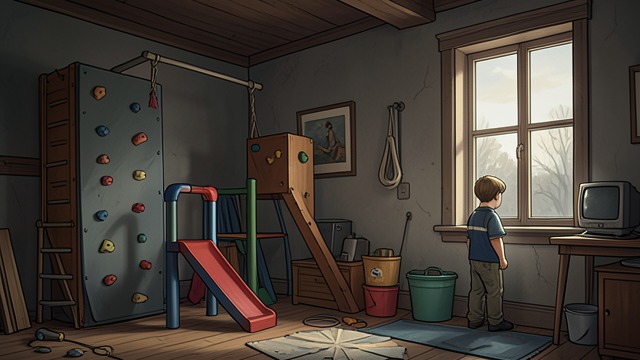
A child’s future made visible
A structure with stages
Bea designs a house with spaces for play, rest, and later privacy, allowing Diana to grow into the building. The design includes climbing features inspired by the child’s interests and safety measures suited to a young user.
Hope without guarantees
Diego hopes the treehouse will encourage Diana to speak, while Bea concentrates on making it a place she can love. Neither can know when the child will be ready to ask for it.
The house embodies a future addressed to Diana without demanding that she recover on an adult schedule. It offers the possibility of play and autonomy as part of life after loss.
Building Through Complication
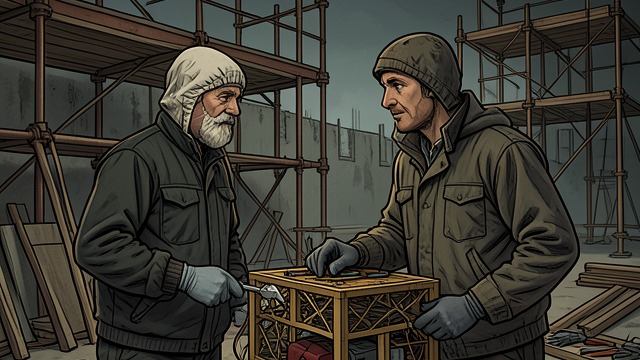
Work as relationship
Professional collaboration
Bea directs carpenters and builders while coordinating materials and safety. Her work earns respect from Ingrid and brings her into frequent contact with Diego, whose approval and presence become emotionally significant.
Intimacy and risk
The unfinished house becomes the setting for Bea and Diego’s secret encounters. Their closeness grows through shared labor, but Diego’s unresolved grief and Bea’s fear of being rejected again make the project emotionally unstable.
The building is both a workplace and a charged private space. It helps the pair imagine connection, but it cannot guarantee that they are ready to sustain one outside the construction site.
A Hotel among the Trees
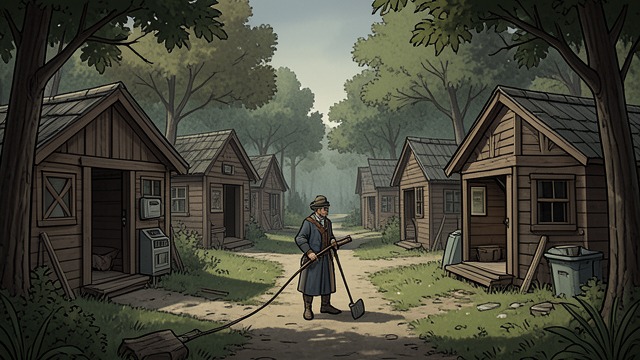
Expanding the original dream
A new partnership
Diego proposes a treehouse hotel developed with León in a chestnut grove. The plan expands Bea’s small model into a collection of separate structures connected by paths and bridges.
A first commission restored
Before designing the larger project, Bea agrees to finish Diana’s own house. The offer joins professional work with a renewed personal connection, but leaves room for each of them to approach their future at a more considered pace.
The final project transforms the treehouse from a symbol of escape into a place of hospitality and shared creation. It carries earlier losses forward as material for a future rather than pretending they never happened.
When Bea rediscovers her old model
During the first chestnut-grove protest
After Diego commissions a custom treehouse
During the estate construction period
Four months after their rainy farewell
