
Débora, Juan, and Óscar’s Parentage
Gente que viene y ¡Bah!Débora’s concealed encounter with Teodoro unsettles her marriage to Juan, while Teodoro gradually earns a place in Óscar’s life.
increasing Bearing strength in each event
 decreasing
Bearing strength in each eventdecreasingA Protective New Mother
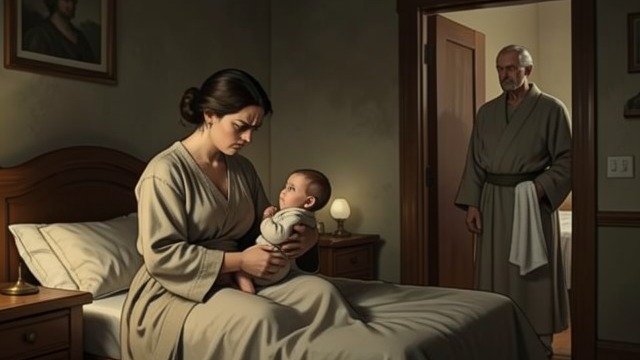
Care becomes control
Juan’s worry
Juan tells Bea that Débora will not let him bathe or care for their new baby. This surprises the family because Débora had long criticized fathers who avoided domestic labor.
A secret behind the vigilance
Débora’s intense protectiveness is not simply a new parenting style. She knows that Óscar has achondroplasia and has not told Juan, leaving her alone with fear and shame.
Her silence initially appears as maternal devotion, but it also prevents Juan from sharing responsibility. The longer she hides the diagnosis, the more likely concern will turn into mistrust.
The Diagnosis and Suspicion

A medical fact becomes a marital crisis
Juan learns the diagnosis
A pediatrician confirms that Óscar has achondroplasia. Juan is shaken and asks why Débora concealed the diagnosis for months instead of letting them face it together.
Doubt about paternity
Because he cannot understand her silence, Juan begins to suspect that the child may not be his. Débora eventually denies that accusation but still cannot explain herself clearly.
The crisis is not caused by the diagnosis alone. It grows from grief, withheld information, and Juan’s attempt to make sense of an omission that has no simple justification.
A Confession on the Chestnut
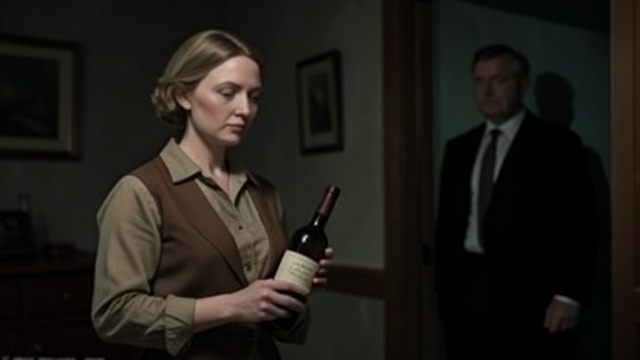
The hidden night revealed
Débora remembers
Pressured by Juan, Débora admits that at her bachelorette party she may have slept with a dwarf stripper while intoxicated. She cannot remember the whole night, but the timing makes the child’s parentage possible.
Blame and heartbreak
Juan leaves, devastated by the possibility that Óscar is not biologically his and by the fact that Débora kept the encounter secret. Débora blames Bea for bringing drugs to the party, while Bea recognizes that the truth would likely have surfaced eventually.
The confession turns private shame into a family rupture. It also challenges the family to treat Teodoro as a person rather than a humiliating explanation for Óscar’s condition.
Teodoro Claims His Place
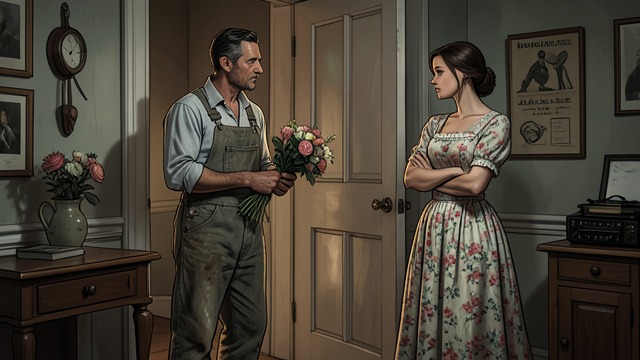
A father seeks recognition
An unwelcome visit
Teodoro comes to Bea’s family home with flowers and says he is willing to take responsibility for Óscar. Débora rejects him and resents her family’s willingness to let him near the child.
A difficult first conversation
When they meet at Bar Caribe, Teodoro explains that he is a trained nurse and a psychology student, and that stripping remains temporary work. He wants to know his son, not to force a romance with Débora.
His honesty does not immediately soften her resistance. The encounter begins a relationship defined by parenthood and responsibility rather than mutual attraction.
A Bond Earned in Danger

From outsider to rescuer
A dangerous crash
Fin crashes during a muddy race and is trapped beneath motorcycles. Teodoro runs onto the course, reaches him, and helps free him while the race is still in progress.
Trust changes shape
Fin asks Teodoro to accompany him to the hospital, and the family recognizes that Teodoro acted with courage when it mattered. Juan also acknowledges that Teodoro was quicker to reach the injured boy than he was.
The rescue gives Teodoro a place in the family through action rather than argument. It does not erase Débora and Juan’s conflict, but it makes his connection to Óscar harder to dismiss as an embarrassment.
When Bea first returns to the family home
After Juan secretly takes Óscar to the pediatrician
During the first construction days at Bea’s treehouse site
After Ángela encourages contact with the biological father
At the Hinojedo motocross competition
