Madrid
Gente que viene y ¡Bah!Madrid is both the place Bea builds a life with Víctor and the city she leaves when their relationship collapses under the glare of national publicity. Her return is meant to be a fresh start, but the familiar city no longer feels like home: work is scarce, housing is unaffordable, and the private upheaval she hoped to escape has followed her into public view.
Home, Work, and Life with Víctor
Bea and Víctor live together in Madrid for three years and work in the same architecture studio. Their shared workplace makes the city more than a domestic setting: it is also where their professional lives overlap. Víctor quickly wins the confidence of the studio’s clients and is brought into presentations alongside Bea’s bosses, helping sell projects and persuade clients to accept proposals. His ease with people, which he developed while accompanying his father on sales trips, contrasts with Bea’s own account of herself as distrustful, quick to take offense at injustice, and less comfortable meeting new people.
Their relationship has lasted five years by the time it breaks apart. The city therefore holds the ordinary history of a long partnership as well as the working routine they shared. Bea’s account of the breakup acknowledges that the story could be told differently: she recognizes that she ultimately ended the relationship, even as Víctor’s new relationship with a television presenter becomes a public spectacle. The professional and personal worlds that had been intertwined in Madrid are suddenly difficult to separate from the news coverage following him.
Leaving the City
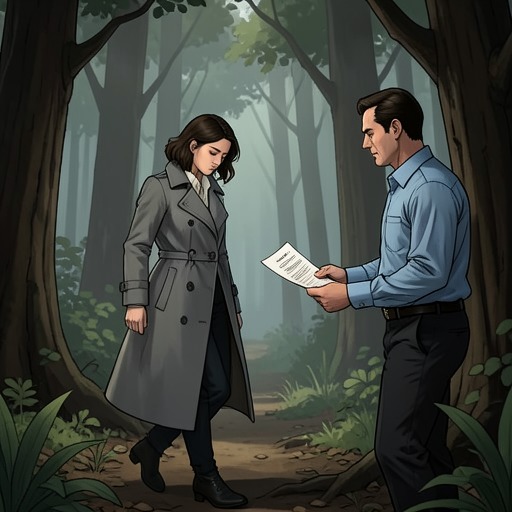
Bea takes a train to her parents’ home in Cantabria as a retreat from Madrid, from the breakup, and from the televised and online coverage of Víctor’s emerging romance. The move is not simply a change of scenery. She hopes that the family environment will offer refuge, company, and perspective, and that being among people who see her as strong and independent will help her act accordingly. Madrid has become inseparable from the life she is trying to put behind her.
She also imagines that leaving the city will let her escape the news and celebrity magazines. The refuge proves imperfect: her parents’ home has a large television, and her younger brother has a fast internet connection. The episode undercuts the idea that geographical distance alone can shut out a story circulated across television, the internet, and gossip publications. Madrid remains the point of departure, but the media attention attached to Bea and Víctor travels with her.
Returning to Madrid
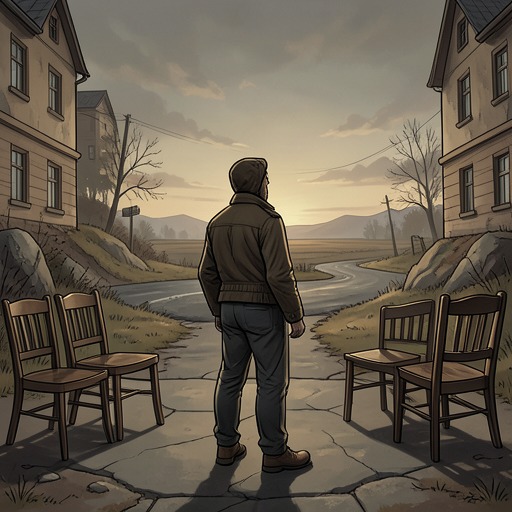
After months in Cantabria, Bea decides that she has become an added source of turmoil for her family and resolves to go back to Madrid, find work and an apartment, and begin again. The departure feels different from earlier trips home. In the past, returning to Madrid had brought relief and a sense of freedom; this time, she boards the train with a knot in her stomach and no comparable confidence that the city will receive her as it once did.
Her first days back confirm the change. Madrid, which she had regarded as her own place in the world, seems difficult to recognize. What she formerly associated with life, activity, adventure, and the possibility of encounters now appears to her as stress, dirt, and pollution. The shift is presented through Bea’s changed perception, not as a neutral description of the city: the urban landscape has not necessarily transformed, but her relationship to it has been unsettled by grief, public exposure, and the uncertain future she faces.
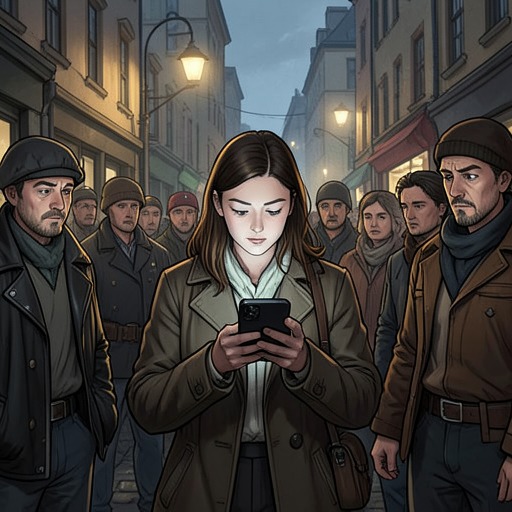
Practical obstacles deepen that estrangement. The apartments she finds are poor and excessively expensive, while architecture studios do not value her experience, which includes two unsuccessful treehouse designs. She is also recognized as the woman from television who confronted the attractive presenter at a demonstration. Some people praise her, but celebrity is not the recognition she wants. The attention extends her unwanted public exposure into the everyday task of trying to rebuild a working life in Madrid.
Distance, Attachment, and an Unfinished Return
Even after she is back in Madrid, Bea cannot stop thinking about Diego. He occupies her thoughts at night, in the morning, at mealtimes, and when she goes out. Her return thus restores neither emotional independence nor an uncomplicated sense of home. The city gives her a place to start over, but it does not erase the unresolved relationship she has left behind in Cantabria.
Chavela remains beside Bea during this period and invites her to watch the first investigative programme presented by Rebeca Ramos, which examines the controversy around green energy. Bea refuses. Two weeks later the channel cancels the programme, a development that brings her only a faint satisfaction because little is making her happy at the time. The episode links Madrid’s media world to the public conflict Bea witnessed in Cantabria, while keeping her own response personal: she does not want to turn her difficult months into another broadcast spectacle.
Madrid consequently occupies a double place in Bea’s story. It is the setting of her shared home and professional life with Víctor, then the city she abandons to seek family shelter, and finally the destination to which she returns without recovering her earlier sense of belonging. Its promise of activity and possibility persists in memory, but housing pressures, professional rejection, unwanted recognition, and thoughts of Diego make the return feel less like a homecoming than an uncertain attempt to begin again.