
Will and Squares’s Friendship
Gone for GoodThis thread traces how Squares becomes Will’s blunt, dependable companion through loss and investigation, while their friendship gradually makes room for each man’s private guilt.
increasing Bearing strength in each event
 decreasing
Bearing strength in each eventdecreasingA Friendship Without Evasion
A Trusted Companion
Friendship in daily work
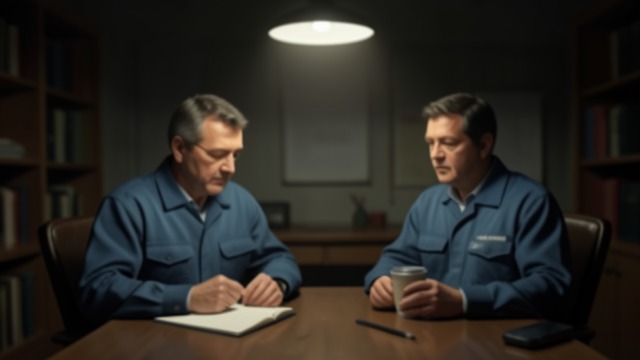
Will and Squares work together at Covenant House, where their shared attention is directed toward runaway teenagers who need shelter and practical help. Squares is irreverent and rough-edged, but he understands how to build trust without demanding that a young person disclose more than they can manage.
Their friendship grows from this shared practice as well as from their private conversations. Will trusts Squares enough to discuss painful family history, and Squares is willing to disagree without withdrawing his affection.
Candor as care
When Will says he believes Ken is alive, Squares answers that he has always believed it. He explains that he stayed quiet because Will’s conviction seemed harmless, but he also challenges Will’s tendency to turn love into certainty.
That bluntness can sting, yet it is part of what makes the relationship dependable. Squares does not offer Will easy reassurance; he offers presence, perspective, and the willingness to stay close when Will’s assumptions are tested.
Standing Beside Will

Friendship Under Pressure
A practical alliance
When Will cannot find Nora and learns that her fingerprints were recovered at a double-murder scene, Squares helps him think through the possibilities and search for her past. He recognizes that Will is reaching for implausible explanations, but he does not leave him to face the uncertainty alone.
Their investigation takes them into New York’s street life and eventually to Louis Castman, whose account exposes the violence Nora survived. Squares helps Will approach people carefully, drawing on the trust he has built among those who might otherwise avoid outsiders.
The work of staying
Squares’s support is not limited to information. He drives Will, accompanies him through frightening encounters, and remains present as Will tries to reconcile Nora’s hidden history with the person he loves.
When Will says that he cannot stop searching because grief will catch up with him, Squares understands that the search is both a mission and a way to keep functioning. He continues beside him without pretending that the pain will be solved simply by finding answers.
Care Through a Crisis
A Friend at the Door
Protection without ceremony
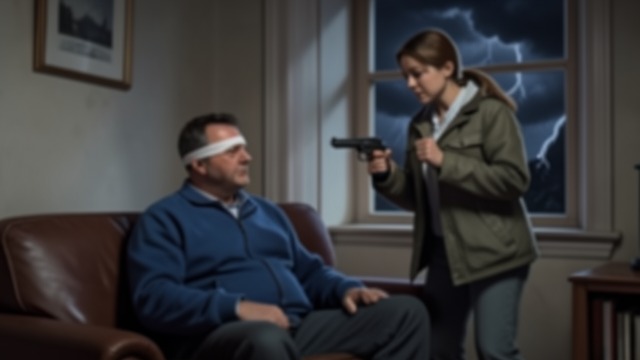
After John Asselta assaults Will, Squares arrives, gives him ice for his injured face, and helps him report what happened. When Will is later overwhelmed by Sheila’s death, Squares continues checking on him and gives him a gun to keep nearby after the Ghost has entered the apartment.
Squares does not turn the friendship into a speech about bravery. His care appears in concrete choices: showing up, staying alert, arranging help, and remaining close while Will tries to decide what to do next.
Loyalty with a boundary
Will and Squares also confront the limits of what they can protect. Squares warns Will that his search could lead somewhere painful, but agrees to continue because he knows Will cannot undertake it alone.
Their alliance is not a promise that danger will be avoided. It is a promise that neither man will have to face it in isolation, even when they disagree about the risks or the reasons for moving forward.
A Confession on the Road

Squares Reveals Michael
A hidden grief
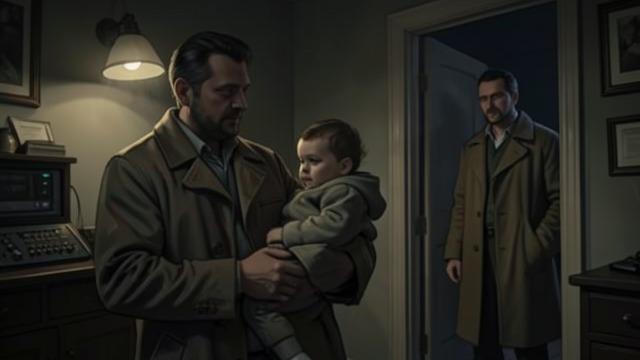
While driving the outreach van, Squares tells Will that he had a son named Michael with a teenage drug addict. He saw the child only twice and left him with his mother; both died in a car crash when Michael was three.
Squares has never told Wanda about the child. His confession reveals the guilt beneath his work with runaway youth: he tries to save children while believing that he failed the one who was his own.
Friendship as mutual witness
Will does not try to erase the responsibility with a quick reassurance. He recognizes that Squares’s grief is not merely an old fact but an active force shaping the way he lives and the way he sees himself.
Squares’s disclosure changes the balance between the friends. Will has leaned on him through the crisis; now he becomes the person who listens to a pain Squares has kept private. The friendship deepens because it can contain guilt without turning it into a simple lesson or absolution.
A Friend’s Difficult Truth
Loyalty Without Easy Comfort
Staying present through loss
Squares supports Will through the revelation that Ken killed Julie and the discovery that Carly is Will’s daughter. He cannot undo the family’s pain or restore Will’s earlier belief in his brother, but he remains part of the network that will help Will and Nora care for Carly.
His own life also moves forward: he tells Wanda about his son, and the two decide to face the pregnancy together. That choice suggests that friendship has helped Squares speak about the past rather than hide behind work and avoidance.
A bond that makes room
Will and Squares have not saved each other from every consequence. Their friendship instead gives each man a witness to the truths he would rather carry alone: Will’s loss of an idealized brother and Squares’s guilt about Michael.
At the story’s end, they remain bound by shared work and candid care. The relationship’s value lies not in providing an answer to grief, but in making it possible to continue living, caring for children, and accepting responsibility after the past has been revealed.
Before Sunny’s death
After Nora’s disappearance
After the Ghost attacks Will and Katy
During the nighttime outreach drive after Sheila’s memorial
Near the ending, after the airport reunion with Carly
