
The Past Cannot Be Buried
Gone for GoodThis thread traces how unresolved histories shape the present, resurfacing through memory, concealed identities, and consequences that neither flight nor silence can erase.
increasing Bearing strength in each event
 decreasing
Bearing strength in each eventdecreasingThe Murdered Neighbor

A Crime That Endures
The Rupture
The murder of Julie Miller divides two neighboring families and fixes their lives around an unanswered question. Ken Klein disappears, and the public account names him as the killer; his family instead clings to the possibility that he was wounded and framed.
Will Klein remembers the disappearance not as a closed case but as an absence that governs family life. His parents remain in Livingston, New Jersey, and his father refuses to treat moving away as anything other than surrender.
The Afterlife
The investigation’s unresolved facts—Ken’s blood at the scene, Will’s memory of a man nearby, and the missing body—continue to exert pressure long after the headlines fade. The past is not simply remembered; it remains active, shaping what the family believes possible.
The novel’s later revelations confirm that neither public certainty nor private loyalty was enough to establish the truth. Julie’s murder remains a wound whose consequences reach forward into new relationships, new crimes, and the lives of people who were children when it happened.
A Family Frozen in Grief
Life Around an Absence
Refusing to Move
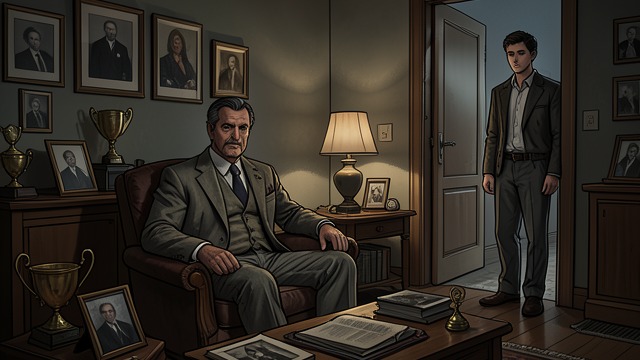
Will and Ken's father stays in the family home despite harassment and painful reminders of the murder. To him, leaving would imply that Ken was guilty; remaining becomes both a defense of his son and a way to preserve the family’s former life.
The rooms themselves become a record of what the family cannot resolve. Old photographs, trophies, and possessions keep the household tied to a time before Julie’s death, while the family avoids saying what each object might mean.
The Cost of Holding On
Will interprets his father’s refusal as stubbornness, but he also recognizes the grief beneath it. His parents have not found a way to remember Ken without confronting the accusation against him, and the home becomes a place where mourning and loyalty reinforce each other.
The family’s attachment protects its members from one kind of loss while preventing another kind of movement. Their past is preserved, but so is its power to dictate where they live and how they understand themselves.
The Past Hidden in an Identity
Reinvention Under Threat
A Life Left Behind
Nora Spring escapes an abusive marriage and lives in hiding, afraid that her husband, Cray Spring, can still reach her. In Stockholm, she finds companionship with Sheila Rogers, who is also living under pressure and concealment.
Their friendship offers a limited refuge, but it does not erase either woman’s history. Both understand that names, homes, and ordinary routines can expose them, so secrecy becomes a practical condition of survival.
Borrowed Names
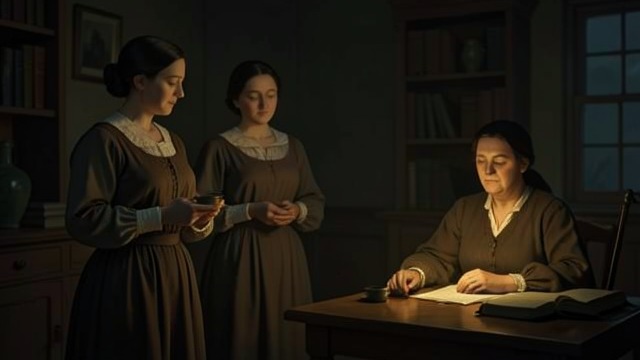
The women exchange identities: Nora becomes Sheila Rogers, while Sheila takes Nora’s name. The arrangement gives each of them another layer of protection, but it also makes their lives harder to explain to anyone outside their small circle.
When Nora later falls in love with Will Klein, she hides her history and her original name from him. The concealed past eventually returns not as a memory alone, but as a danger that affects Will, Ken Klein, and the child whose identity has also been kept secret.
The Past in the Street
Survival Leaves Its Mark
What the Street Does
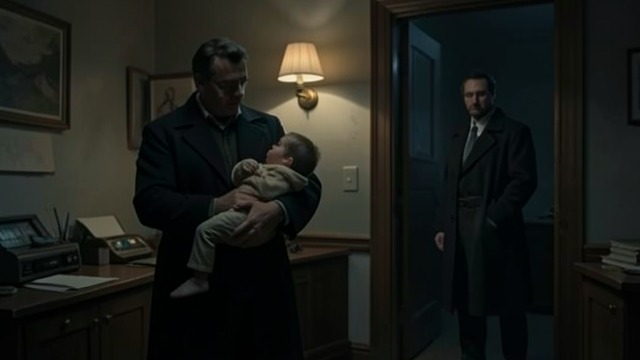
Will and Squares work among runaway youth, where they see how quickly danger and exploitation can become ordinary. Squares’s outreach depends on patience rather than force: trust must be offered repeatedly, and young people must be allowed to approach help in their own time.
Their encounters make the idea of a clean break from the past seem inadequate. The young people may leave a dangerous place, but what happened there continues to shape their choices, their sense of safety, and their ability to trust.
A Shared Recognition
Sheila’s history with Louis Castman reveals the extremity of that damage. Castman coerced and exploited her as a teenager, and his violence is not undone simply because she later built a different life.
Squares recognizes the same principle in his own life: the past can remain present without determining every future choice. The thread therefore holds two truths together. Harm can be permanent, yet it does not have to define everything a person becomes.
The Final Return of Old Crimes

What History Reveals
The Hidden Crime
The apparent story of Ken’s innocence gives way when Katy Miller accuses him of killing Julie. Her account recasts the long-standing family narrative: the evidence and assumptions that once supported Ken’s innocence had concealed a more painful truth.
Ken’s crimes and secrets also explain the repeated flight that shaped his family’s history. The people around him have spent years reacting to partial accounts, unable to distinguish protection from concealment or survival from evasion.
No Simple Erasure
Ken finally remains when the police arrive rather than fleeing again. His decision does not reverse the damage or restore the years taken from his family, but it ends one cycle of disappearance.
The ending suggests that facing the past is not the same as repairing it. It means allowing the truth to determine what comes next, even when it destroys a cherished account of the past. Will’s new responsibilities begin in the wake of that recognition, not beyond it.
Eleven years before the main story
The eleven years after Julie’s murder
Several years before Will and Nora meet
During Will and Squares’s search for Sheila
Near the novel’s ending
