
The Price of Concealment
Gone for GoodThis thread follows the novel’s competing stories and identities, showing how concealment can offer temporary protection while making trust and justice harder to attain.
increasing Bearing strength in each event
 decreasing
Bearing strength in each eventdecreasingThe Official Story
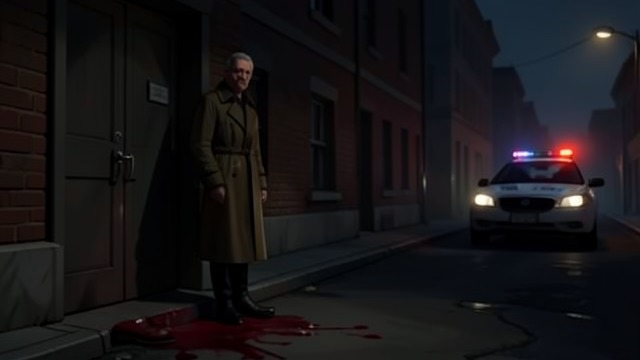
A Story That Becomes Public Fact
The Accusation
After Julie Miller is murdered, Ken Klein vanishes, and authorities and the media treat him as the fugitive suspect. The case’s most visible details—his blood at the scene and his disappearance—give the official explanation a persuasive shape.
Will doubts that explanation, but he knows how easily his loyalty can be dismissed as bias. The family’s alternative account—that Ken was attacked and framed—remains difficult to prove, leaving suspicion to harden into public certainty.
The Missing Context
The eventual account of the night is more complicated than either certainty allows. Ken was involved in criminal activity, and he did flee after Julie’s death; those facts do not, by themselves, settle who killed her.
The long delay in establishing the truth demonstrates how a plausible narrative can conceal as much as it explains. In this case, what people believe depends not only on what happened but on which facts remain hidden and who has the power to interpret them.
Will’s Belief in Ken
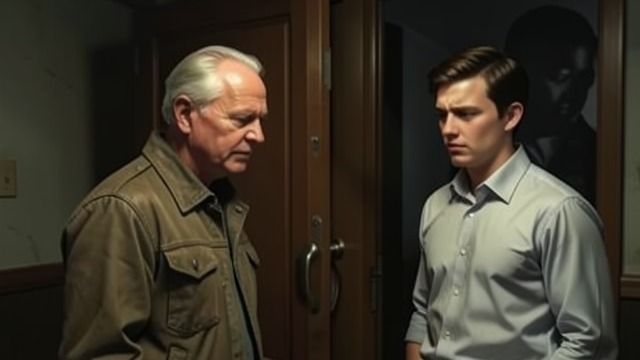
Loyalty Before Proof
A Brother’s Defense
Will has spent years believing that Ken is dead rather than a murderer. He relies on his knowledge of Ken’s character, the unexplained evidence, and the possibility that someone else arranged the crime to reject the official account.
That belief gives Will a way to live with the loss of his brother. It also lets him preserve an image of Ken as the person who protected him, even when Will knows Ken had been involved in dangerous and criminal affairs.
Belief Under Pressure
Sunny’s deathbed claim that Ken is alive disrupts Will’s settled interpretation. A hidden photograph appears to confirm it, while later encounters with the FBI and the Ghost make clear that Ken’s past is still dangerous.
Will must eventually confront the difference between believing someone is innocent and knowing what that person has done. His loyalty survives the truth, but it can no longer depend on denying it.
The False Sheila
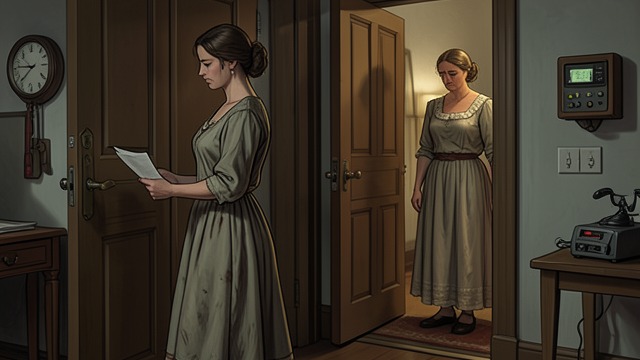
A Name That Conceals Two Lives
The Vanishing
When the woman Will knows as Sheila leaves their apartment, the discovery of her fingerprints at a New Mexico murder scene makes her disappearance look like flight from suspicion. Her note of affection offers Will comfort without explaining where she has gone or who she is.
The search reveals an older identity: Sheila Rogers’s history of exploitation and criminal arrests. Each new fact appears to make Will’s partner more legible, but it also deepens the contradiction between the woman he loved and the woman described by the records.
A Further Deception
At Sheila Rogers’s funeral, Will recognizes that the dead woman is not his partner. The person he has been mourning under that name is alive, and the real Sheila’s identity had been exchanged with Nora Spring’s.
The revelation reframes the earlier evidence rather than making it meaningless. The past belonging to Sheila Rogers is real; it simply does not belong to Nora. Their concealment protected them, but it also left Will grieving a false identity and unable to understand the person he loved.
The Buried Connection
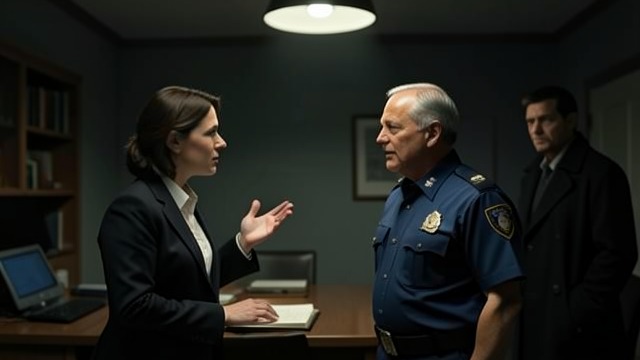
A Pattern Beneath the Case
Unspoken Deaths
Rose Baker tells Will and Katy that Laura Emerson, another member of Chi Gamma, was strangled before Julie was killed. She also says the FBI instructed her to keep that connection private, an account that contradicts the public image of Julie’s murder as an isolated crime.
The revelation makes the past newly unstable. If investigators knew about another death, their account of what had happened—and what they had chosen to investigate—may have been incomplete from the beginning.
The Limits of Authority
Joseph Pistillo acknowledges that the FBI knew about Laura but denies that the murders were connected. His refusal frustrates Will’s search for a coherent explanation, while the case’s connection to Ken’s cooperation against Philip McGuane offers another reason information may have been controlled.
The novel distinguishes secrecy used to protect an investigation from secrecy used to protect institutional priorities. Once the hidden connection emerges, Will cannot take official silence as proof that there is nothing more to know.
The Better Truth
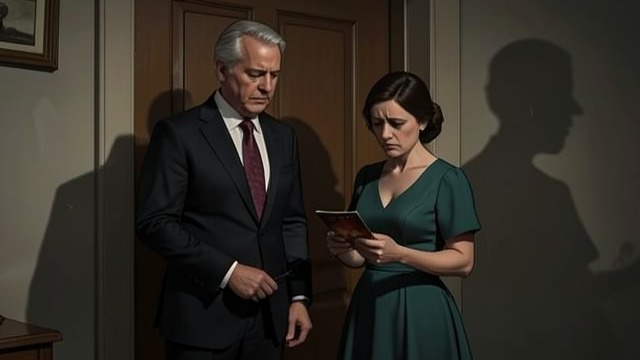
A Truth That Hurts
The Last Reversal
For much of the novel, Will’s search seems to confirm that Ken was framed. Katy’s final accusation overturns that hope: Ken killed Julie, while the story that cast the Ghost as the murderer had hidden Ken’s guilt.
The revelation also changes how Will understands his own family history. His father’s protection and his mother’s hope were rooted in love, but love could preserve a comforting belief at the expense of the truth.
Living With What Is Known
Will does not abandon Ken emotionally, but he can no longer defend him by insisting that he did not kill Julie. The distinction between loving someone and excusing them becomes essential as Ken is arrested and Carly’s future is placed in Will and Nora’s care.
The novel’s closing judgment is that an ugly truth is preferable to a beautiful lie. Truth does not undo the past, but it allows the living to make decisions grounded in what happened rather than in what they needed to believe.
In the years after Julie’s death
At the beginning of the novel
From Sheila’s disappearance to her funeral
During Will and Katy’s visit to Haverton College
After the final confrontation
