
The Second Maciver Death
Good Morning, Midnight (Reginald Hill Edition)Peter Pascoe’s investigation follows a seemingly straightforward suicide toward the concealed history behind both Maciver deaths.
increasing Bearing strength in each event
 decreasing
Bearing strength in each eventdecreasingThe Locked Study
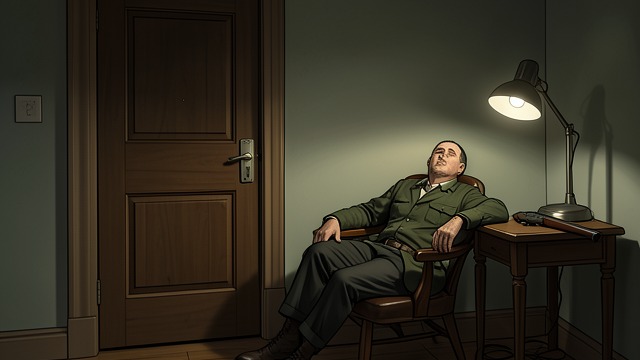
The Locked Study
Discovery
Palinurus Maciver Junior is found dead in the study at Moscow House, apparently by his own hand. The locked room and familiar method suggest an unmistakable explanation.
Significance
The scene recalls Palinurus Maciver Senior’s death ten years earlier. Its resemblance becomes the first reason Pascoe resists treating the case as routine.
The First Conclusion
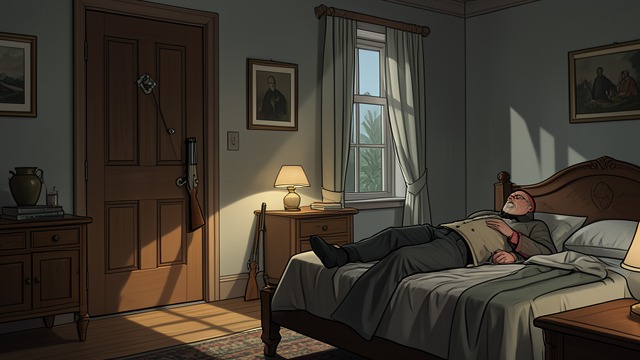
The First Conclusion
Initial assessment
Andrew Dalziel sees the locked door, shotgun, and apparent self-inflicted wound as strong signs of suicide. He urges Pascoe to regard the death as unassisted.
Resistance
Pascoe notices the missing note and the uncanny repetition of the earlier death. He is not yet sure there was a crime, but refuses to let the first explanation end the inquiry.
An Old Case Reopens
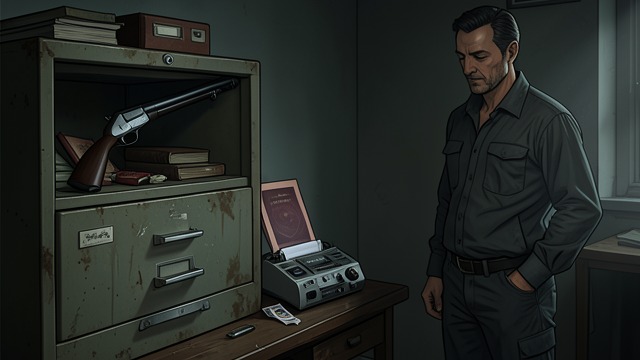
An Old Case Reopens
Earlier evidence
Shirley Novello retrieves the old file and finds the shotgun and poetry volume preserved as exhibits. The new death appears to have copied its predecessor in unusual detail.
A concealed accusation
A cassette reveals that Palinurus Maciver Junior once accused Kay Kafka of harming his father and alleged that Dalziel had suppressed his claims. The inquiry now carries a troubling institutional history.
The Apparent Murder Plot
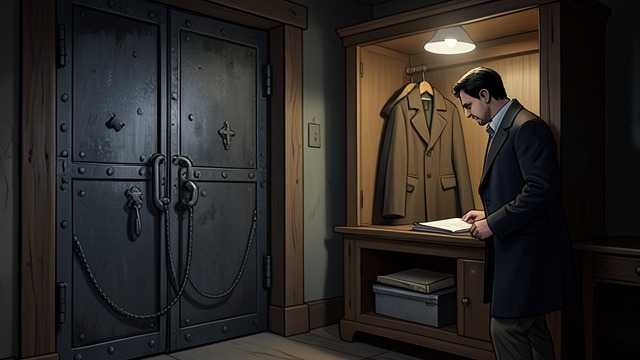
The Apparent Murder Plot
Forensic reversal
The laboratory finds a thread mechanism consistent with locking the study door from outside. A hidden cabinet also yields items connecting Kay Kafka to the room.
The motive theory
Pascoe considers whether Palinurus Maciver Junior staged a suicide to implicate his stepmother. New evidence makes suspicion sharper, though it does not yet establish what happened.
A Motive Beneath the Method
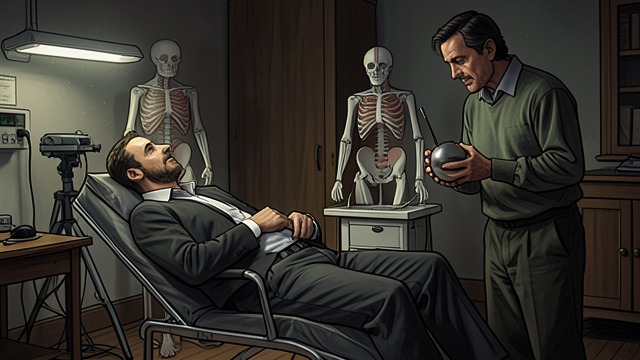
A Motive Beneath the Method
The diagnosis
Vic Chakravarty discloses that Palinurus Maciver Junior had an inoperable brain tumour. The disease offers a personal reason for suicide beyond the family’s poisonous history.
A qualified resolution
The revelation changes how Pascoe reads the staged scene: the death may have been suicide arranged to provoke scrutiny of the past. The inquiry closes without resolving every suspicion.
March 20, 2002, evening
March 20, 2002, late evening
March 21, 2002, morning
March 22, 2002, afternoon
March 23, 2002, morning
