Michigan
Good Morning, MidnightMichigan is the childhood home against which Augustine Lofthouse measures the severity of his life in the Arctic. Its gentler winter seasons and the memories of his family there make it more than a point of origin: it is a landscape associated with an earlier, formative life that continues to surface in the present.
Setting and Climate
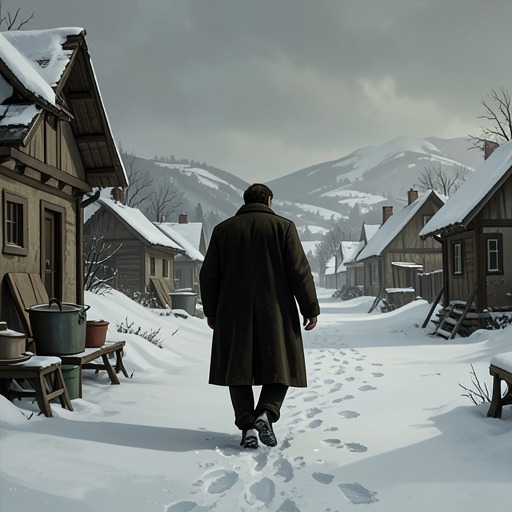
Augustine’s recollection of Michigan emphasizes winter’s gradual passage. Snow arrives as powder and drifts, icicles lengthen and then melt, and spring follows. The account sets this seasonal change against the Arctic, where ice shelves persist and the ground remains frozen. The contrast makes Michigan feel comparatively yielding, while underscoring the harshness of Augustine’s current surroundings.
Family Memories
Michigan is also linked to Augustine’s childhood with his father. He remembers hunting with him in the woods near their house, though the trips were not experiences he enjoyed. The memory connects the landscape to a difficult father-son relationship rather than to uncomplicated nostalgia.
Other recollections of Augustine’s family past include his mother’s hospitalization during his adolescence and his later visit to his father’s grave. These memories emerge during illness, alongside a growing recognition of the harm and regret associated with his past. The text does not locate each of these scenes specifically in Michigan, but they deepen the family history associated with the childhood world from which he came.
Narrative Significance
Michigan serves as a point of contrast between Augustine’s remembered life and his isolated present. Its seasonal thaw differs from the Arctic’s enduring frozen ground; its woods and family home belong to memories that return as he reflects on his parents and his own past. The location therefore helps connect physical environment with personal history without making childhood itself a source of comfort: even the familiar landscape carries memories of strained family ties.