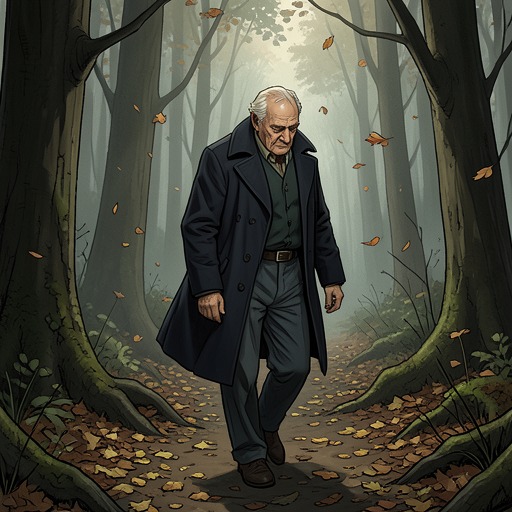
Augustine Dies Beside the Polar Bear
Good Morning, MidnightAugustine Dies Beside the Polar Bear is Augustine’s final scene at Lake Hazen. On his way to the radio shed to reach Sully, he discovers that the polar bear has followed him across the landscape and is dying. He abandons the attempt to make contact and remains beside the animal, meeting death not alone but in the company of another vulnerable life.
The Unfinished Journey to the Radio Shed
Augustine dresses slowly, putting on his scarf, hat, parka, boots, and mittens. The tent is empty, and the cold makes even the short walk difficult. The radio shed is visible beneath a narrow sliver of moon. He has no clear plan for what he will say to Sully; what matters to him is hearing her and being heard, and having one honest moment after their long separation.
He is only halfway to the shed when tracks in the snow turn him aside. They lead toward the lake and a low, snow-covered mound. Augustine recognizes the polar bear that has been following him over many miles. Though part of him responds with fear, he approaches and touches the animal. Its stillness makes clear that this is not a passing encounter: the bear is near the end of its life.
Choosing to Stay
Augustine understands that the polar bear is dying. The radio shed can wait. He sinks to his knees beside the animal, and the wind rises until the shed and the other tents disappear from view. The scene contracts to Augustine and the bear, while the planned radio contact remains unfinished.
When the bear rolls onto its side, Augustine moves closer and settles against its body. He is no longer afraid. The novel presents his final peace through this physical companionship: the warmth and steady heartbeat of another living creature replace the words he had hoped to exchange with Sully. Augustine dies beside the polar bear, no longer feeling like an outsider to the landscape.
Grief, Work, and the Reach for Contact
The scene’s concern with lost connection echoes Sully’s grief aboard Aether. Earlier, Devi tells Sully about a recurring dream of her family’s kitchen in Kolkata: she sees her parents and brothers gathered around a meal, then wakes to the knowledge that they are gone and she is alone. Sully stays beside her in the dark, offering the small comfort of physical presence when she cannot promise that everything will be all right.
After Devi dies during the spacewalk, Sully repeatedly sees her drifting away and withdraws from the crew, answering their visits with the need to get through the day and reach tomorrow. Work gradually gives her a way back into shared life. She helps Thebes bring the new communications system online, and the crew gathers for a quiet meal. When Sully stays behind to listen, she does not mistake the silence for a connection; still, she feels less alone because she has done what she can to make contact possible. Augustine’s walk toward the radio shed belongs to that same hope of being heard, but his encounter with the bear redirects the scene from communication across distance to companionship at close range.
Aftermath and Significance
Aboard the International Space Station, Sully later keeps listening on the frequency where she found the man in the Arctic. She hears no signal from him and eventually scans for other survivors. The missed contact leaves their connection unresolved, but the final scene gives Augustine another form of answer: when the bear’s presence interrupts his effort to speak, he stays with it instead.
The ending joins human isolation to the lives of animals without making the bear merely a message or instrument. It is itself dying, and Augustine responds to that condition with attention and company. Against the novel’s recurring silences, the scene offers no rescue and no restored communication; its consolation is smaller and more immediate, a last shared presence in a landscape that has otherwise seemed indifferent.