
The Human Cost of Isolation
Guantanamo DiaryThis flow follows the physical and psychological deterioration caused by prolonged isolation and coercive conditions, alongside small steps toward recovery.
increasing Bearing strength in each event
 decreasing
Bearing strength in each eventdecreasingA Body Worn Down
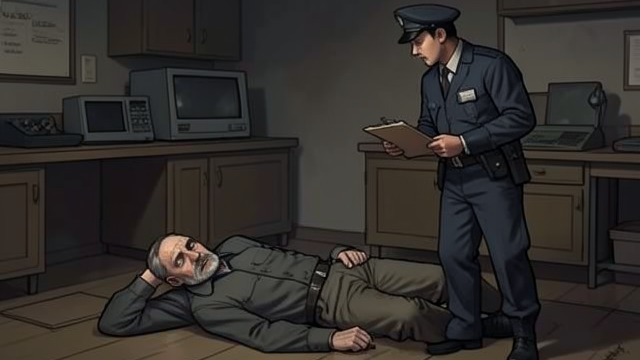
Weakness Before Guantánamo
Months in Custody
Before arriving in Guantánamo, Slahi had spent months in Jordan and was already physically exhausted. Poor appetite, fear, and prolonged detention left him looking and feeling profoundly unwell.
Transfer Adds Injury
The journey to Bagram involved shackles, extreme discomfort, and limited ability to move. At Guantánamo, he collapsed and needed medical attention soon after arrival.
A Vulnerable Beginning
His physical condition shaped how he experienced later questioning and confinement. What authorities treated as an interrogation problem was already entangled with illness and exhaustion.
Sciatica and Confinement
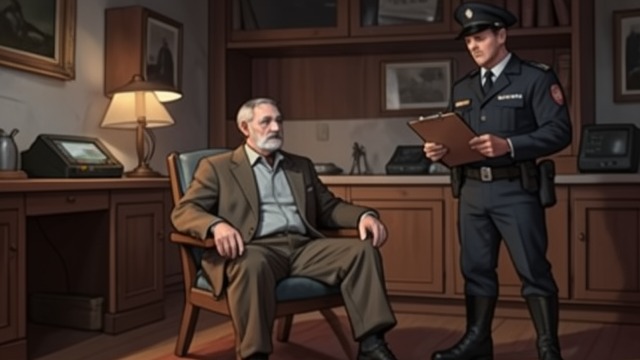
Pain Becomes Leverage
Existing Condition
Slahi suffered from sciatica and low blood pressure before the most severe Guantánamo interrogation began. Long periods of sitting, standing, and shackling aggravated his pain.
Medical Needs Obstructed
Interrogation schedules repeatedly interfered with medication and nutrition. He says requests for relief had little effect while interrogators controlled his daily routine.
Accumulating Harm
The failure to separate medical care from interrogation pressure made physical vulnerability part of the coercive environment. His body became both the site of injury and a means through which officials applied pressure.
Sleep Deprivation
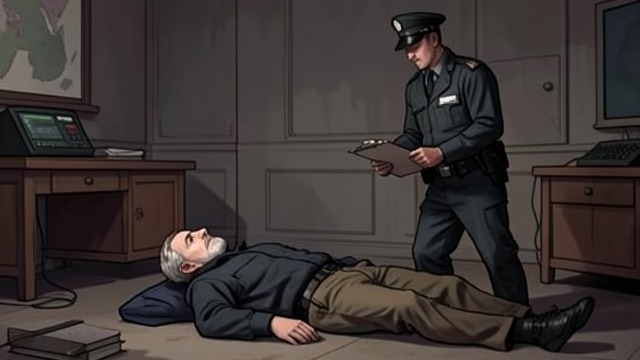
A Mind Kept Awake
Continuous Interrogation
Slahi describes interrogators working successive shifts and guards repeatedly interrupting his sleep. Cold rooms, loud music, forced standing, and repeated demands compounded the exhaustion.
Disorientation
As rest disappeared, he struggled to distinguish time and maintain concentration. He later reported hearing voices and experiencing hallucinations in conditions of sensory deprivation.
Coercive Purpose
Sleep deprivation weakened his capacity to resist and made fabricated statements more likely. The process shows how control over basic bodily needs could shape what a detainee said.
Hallucinations and Fear
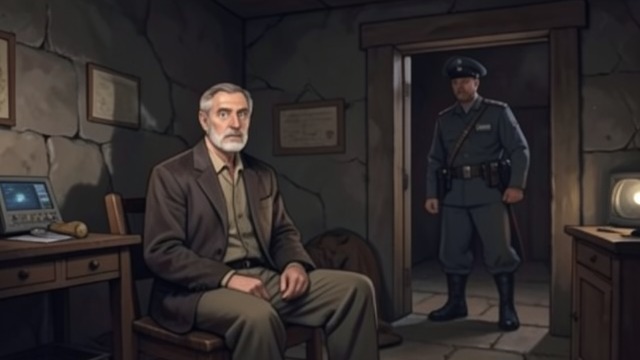
Reality Under Pressure
Voices in Isolation
In the dark and deprived of ordinary human contact, Slahi began hearing family conversations, Qur’an recitation, and music from home. The experiences felt vivid even as he knew his situation was affecting his mind.
Recognizing the Danger
He prayed for guidance and feared losing his sanity. This moment marked an effort to distinguish his inner experiences from external reality while remaining alone in a controlled cell.
A Human Limit
The episode makes psychological harm visible as more than a later diagnosis. Isolation and sensory deprivation altered the texture of thought itself, pushing endurance toward collapse.
Treatment and Partial Recovery

Care After the Worst
Medical Support Begins
Doctors eventually prescribed antidepressants and medication to help Slahi sleep. He also received psychological assistance, though he remained afraid to tell clinicians the full story of his treatment.
Improved Conditions
A later interrogator helped arrange better food, books, and more humane daily interactions. Slahi’s health improved in some respects, but he remained underweight, vulnerable, and confined.
Recovery Without Freedom
Treatment softened some immediate harms without resolving the conditions that produced them. His partial recovery coexisted with continued imprisonment, separation, and uncertainty.
November 2001–July 2002
2002–summer 2003
Summer–fall 2003
Fall 2003
2004–2005
