
The Interrogation System and Its Institutions
Guantanamo DiaryThis flow tracks the institutional struggle over who controls interrogation and how policy choices become personal violence.
increasing Bearing strength in each event
 decreasing
Bearing strength in each eventdecreasingFBI Rapport Approach

An Early Institutional Line
FBI Interviews
The FBI and other civilian investigators initially interviewed Slahi using rapport-building methods. They sought to gather information through conversation rather than immediate physical coercion.
Military Disagreement
Military intelligence personnel objected to the FBI’s approach and pushed for more aggressive methods. The dispute reflected competing beliefs about whether pressure or dialogue produced useful intelligence.
A Fragile Boundary
For a time, the FBI retained influence over Slahi’s questioning. That boundary would weaken as military authorities expanded their control of Guantánamo operations.
Military Methods Gain Ground

A Shift in Institutional Power
Special Projects Teams
The military created specialized interrogation teams and developed plans that used techniques previously associated with secret CIA operations. Objections from FBI personnel did not prevent this institutional expansion.
Slahi’s Case Changes
Although the FBI continued interviewing Slahi into early 2003, military intelligence watched the process and sought a greater role. The competition was not abstract to him: it determined which methods he would face.
Control Transfers
By May 2003, the FBI agents left and the military assumed control. The change made the more coercive approach decisive in Slahi’s case.
The Rumsfeld-Approved Plan
Policy Becomes Practice
A Formal Plan
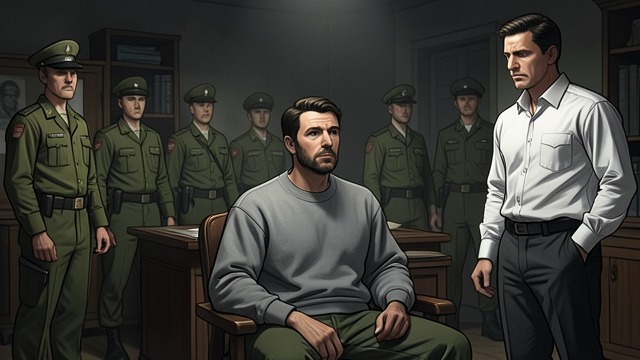
Military officers prepared a special interrogation plan for Slahi, which moved through the chain of command before receiving approval from senior defense officials. The plan made coercive methods an authorized program rather than an improvised act.
Implementation
Slahi experienced the plan as constant shifts, isolation, sleep deprivation, threats, cold exposure, and sexual humiliation. The official structure enabled sustained pressure over weeks and months.
Responsibility Above the Cell
The plan connected a solitary detainee’s treatment to command decisions. The memoir’s account insists that responsibility did not end with the guards or interrogators who carried out orders.
The FBI Warning
Objections Inside Government
Agents Observe Abuse
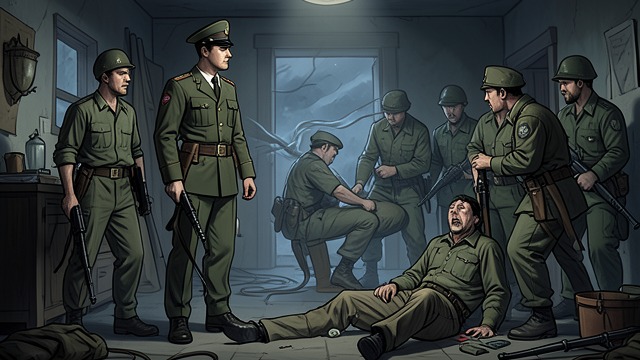
FBI personnel encountered aggressive military interrogation practices in Guantánamo, including physical force, stripping, cold exposure, and prolonged questioning. Some recognized that such treatment would be unlawful for prisoners of war or criminal suspects.
A Warning Circulates
An FBI official warned senior colleagues that military methods could be unlawful and feared the Bureau would be tainted by association. The warning shows that concerns were present while the program was underway.
Limited Effect
The FBI’s objections did not stop Slahi’s special interrogation. The gap between internal concern and institutional action becomes part of the book’s indictment of accountability.
The Prosecutor Withdraws
Conscience Within the System
Records Become Visible
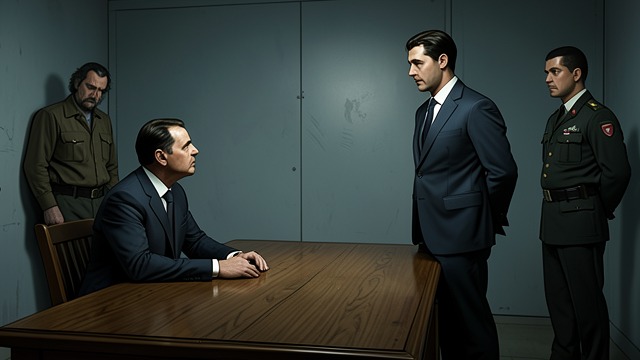
Stuart Couch’s investigator obtained records describing the special interrogation, including a forged letter threatening Slahi’s mother and communications about his hallucinations under sensory deprivation.
A Moral Decision
Couch concluded that the evidence had been produced through torture. After reflecting on his religious and ethical commitments, he withdrew from the prosecution rather than proceed with the case.
No Trial Follows
No military commission charge sheet was ultimately filed against Slahi. Couch’s refusal and later prosecutorial accounts underscored the difficulty of turning the interrogations into a legitimate criminal case.
August–fall 2002
Fall 2002–May 2003
July–August 2003
June–July 2003
2003–2004
