
Writing the Diary in a Cell
Guantanamo DiaryThis flow follows the creation, censorship, publication, and continuing incompleteness of Slahi’s memoir.
increasing Bearing strength in each event
 decreasing
Bearing strength in each eventdecreasingPermission to Write
A Memoir Begins
A Segregation Cell
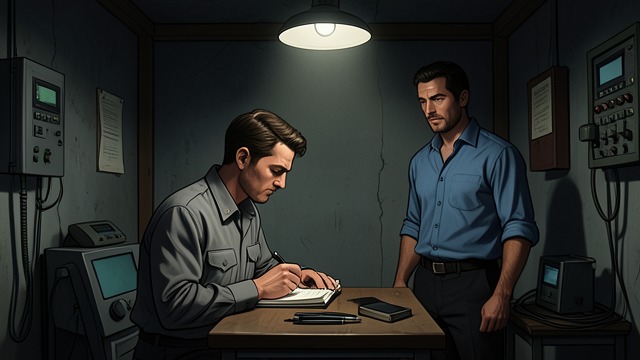
Slahi began writing by hand in his single-cell hut at Camp Echo after finally meeting his lawyers. Writing gave him a way to arrange years of detention into a narrative of his own.
A Public Audience
He addressed readers directly, especially Americans, and hoped they would understand what had happened. The act of writing was a claim to speak in a system that controlled his movement and communication.
A Manuscript Under Review
Every page was treated as classified from the moment it was created. The story he hoped to share entered another process of government control before it could reach an audience.
The Last Page

A Completed Draft
Months of Composition
Slahi wrote a 466-page manuscript by hand in the summer and fall of 2005. The account moved between his earlier arrests, transfers, interrogation, and life in Guantánamo.
An Author’s Purpose
He sought to describe what he had experienced without exaggerating or understating it. Humor, memory, and reflection helped him preserve a human voice amid a narrative of institutional violence.
No Immediate Release
The manuscript did not become public when it was finished. It was classified and stored in a secure facility, inaccessible to ordinary readers and even to the author’s editorial collaborators.
A Book Announced

The Author Addresses the Board
A Small Advertisement
At an administrative review hearing, Slahi told officials that he had written a book about his story and advised them to read it once released. His remark showed that he imagined a public readership even from inside detention.
Classification Blocks Access
The manuscript was marked Secret and NOFORN. His lawyers could not simply distribute it, and the government’s security review became a prolonged barrier.
A Story Held in Custody
The book’s fate reflected its author’s situation: both remained controlled by the same institution. The withheld manuscript became evidence of how censorship could extend detention’s reach beyond the cell.
Redaction and Editing
A Manuscript Changed Twice
Government Censorship
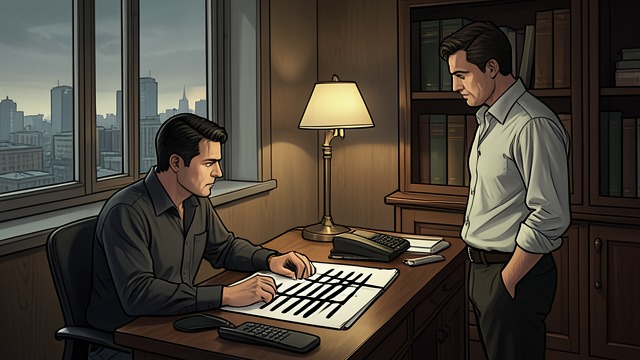
The government added more than 2,500 redactions before the manuscript could be released. The black bars concealed names and details while visibly marking the continuing power of the state over the text.
Editorial Shaping
Larry Siems edited the draft for clarity, streamlined its structure, and incorporated appended flashbacks into the main narrative. Slahi could not participate in or respond to those editorial decisions.
A Qualified Publication
The published version was authorized by Slahi, but it remained incomplete and censored. The editor emphasized that annotations were interpretations of public information, not recovery of classified words.
A Book Reaches Readers

Publication Without the Author
Public Release
After years of legal and editorial work, the manuscript was cleared for publication and delivered to Larry Siems. Slahi had been imprisoned for a decade, and a court’s release order was already under appeal.
A Voice Across Distance
Readers encountered a memoir written in English, Slahi’s fourth language, with humor and attention to ordinary human exchanges. The text complicated the official image of Guantánamo by presenting both cruelty and moments of kindness.
An Incomplete Record
The book reached the public while its author remained in the same cell and could not review the edited version. Its publication was therefore both an achievement and a reminder of what censorship and detention still withheld.
Summer 2005
September 28, 2005
December 2005
2006–2012
Summer 2012 onward
