
A Brief Stay in Canada Becomes a Central Allegation
Guantanamo DiaryThis flow traces how Slahi’s short stay in Canada was transformed from a job search into a recurring basis for suspicion and coerced claims.
increasing Bearing strength in each event
 decreasing
Bearing strength in each eventdecreasingArrival in Montreal
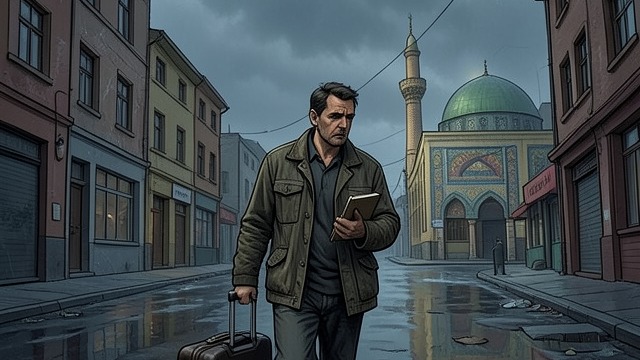
A Search for Opportunity
A New Country
Slahi moved from Germany to Montreal after difficulty securing permanent residency there. A former classmate helped him settle, and he spent time around the al Sunnah mosque.
Ordinary Intentions
He said he was looking for work and disliked the feeling of being watched. He had arrived openly and did not imagine that a short stay would define years of questioning.
A Brief Chapter
His life in Canada lasted less than two months. That limited period later acquired a significance far beyond anything he said he had done there.
Ressam’s Arrest
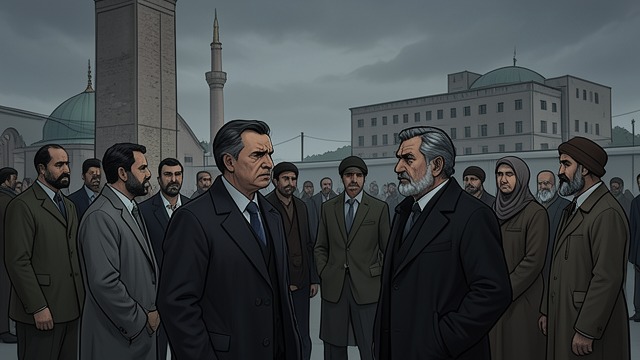
A Plot Reframes a Community
A Bombing Plan Discovered
Ahmed Ressam was arrested entering the United States with explosives intended for an attack on Los Angeles International Airport. He had been based in Montreal and had attended the same mosque as Slahi.
Investigators Look Back
The arrest intensified scrutiny of Muslim immigrants and people connected to the mosque. Slahi’s presence in the community became a potential lead despite Ressam’s departure before Slahi arrived.
Association as Suspicion
Shared locations created a link in investigators’ records, but did not establish shared purpose. The distinction between proximity and participation became difficult to defend once the case crossed borders.
Leaving Under Observation

Departure Interpreted as Flight
Feeling Watched
Slahi said Canadian officers questioned him and monitored him in an intimidating way. His family urged him to return to Mauritania, partly because they feared the environment in Canada.
The Travel Record
He left by a regular route using his own name and passport. He later argued that this was inconsistent with the suggestion that he was evading arrest.
A Suspicion Hardens
Investigators interpreted his departure through the framework of the plot rather than as an ordinary choice to go home. The same act could be read as evidence of innocence or as evidence of concealment.
The Canada Questions Follow Him
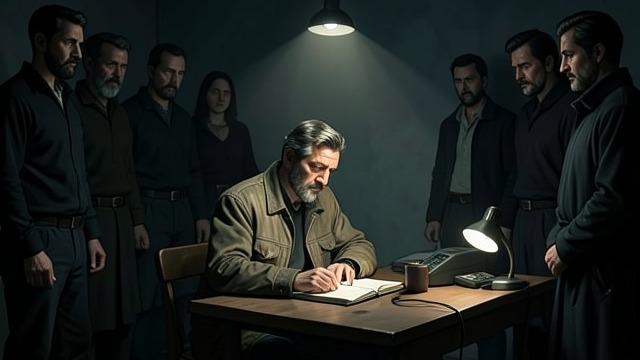
A Short Stay Repeatedly Revisited
Interviews Across Countries
Senegalese, Mauritanian, Jordanian, and American interrogators repeatedly returned to Slahi’s time in Canada. Calls, acquaintances, and everyday phrases became subjects of extended questioning.
A Theory Without a Clear Act
Interrogators suggested that he had participated in or planned activity connected to the Millennium Plot. Slahi denied the claims and argued that investigators had no direct evidence of wrongdoing.
The Story Becomes Fixed
Because the Canada allegations remained unresolved, they continued to justify new questions and new suspicions. Each unanswered theory made the short stay appear more incriminating than the evidence warranted.
The CN Tower Confession
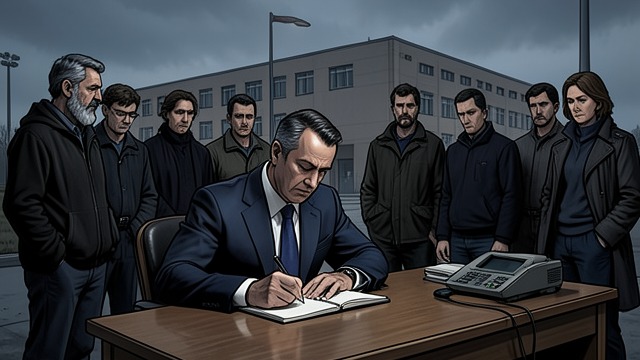
A Plot Produced Under Pressure
Interrogators Seek a Story
At Guantánamo, interrogators proposed that Slahi had planned an attack on Toronto’s CN Tower. He initially said he knew nothing of it.
Coerced Detail
After prolonged abuse, he wrote an elaborate account naming supposed accomplices and describing technical preparations. He later explained that he invented the plot because interrogators had made continued resistance feel unbearable.
Canada’s Lasting Shadow
The false confession gave an apparent narrative to a suspicion that had followed him since Montreal. Its detail could not make it true, and its coercive origin undermined its reliability.
November 1999
December 1999
January 2000
2000–2003
Fall 2003
