
The Red Cross and the Limits of Oversight
Guantanamo DiaryThis flow traces the International Committee of the Red Cross’s efforts to reach Slahi and the limits of confidential humanitarian oversight in a secret detention system.
increasing Bearing strength in each event
 decreasing
Bearing strength in each eventdecreasingNo Access in Jordan

A Prisoner Hidden from Visits
Visits Concealed
Jordanian officials moved Slahi to a cellar when International Committee of the Red Cross visits were expected. The cycle allowed authorities to keep his detention out of view.
A Direct Request
Slahi discovered the facility rules and asked his interrogator to let him see the ICRC. The interrogator denied that the organization was present and claimed the refusal was for Slahi’s protection.
Oversight Defeated
The denial prevented an independent body from checking his situation during months of secret detention. The episode shows how access rules could be evaded while preserving the appearance of an organized prison system.
A Brief Visit at Guantánamo

A Message to His Mother
A Visit During Isolation
An ICRC representative reached Slahi shortly after he had been moved to an isolated hut. He was allowed to write a brief message to his mother expressing love.
Access Closes Again
After the visit, the ICRC could not see him for more than a year. Officials treated his case as exceptional and cited military necessity to deny access.
A Narrow Channel
The note established a fragile link to family but did not provide sustained protection. Slahi remained largely alone while the organization tried to locate and visit him again.
The Last Detainee to Reach
A Long Dispute Ends, Partly
Access Finally Granted
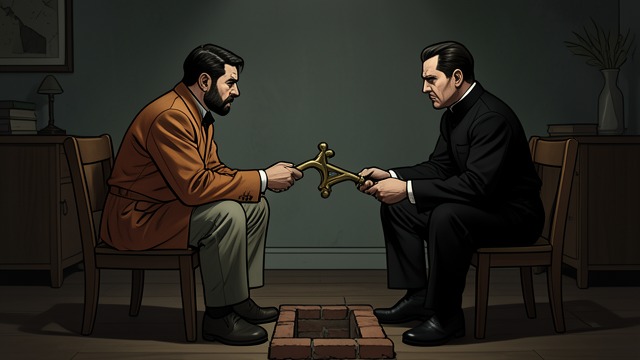
After a prolonged struggle, the ICRC was allowed to visit Slahi in September 2004. Representatives told him he was the last detainee they had had to fight to see.
Caution in the Interview
They asked about abuse and explained that they needed him to speak in order to help prevent further mistreatment. Slahi withheld details because he feared retaliation and doubted that the authorities would change course.
Confidentiality Under Pressure
He later learned that interrogators questioned him about the meeting. The discovery weakened his trust in the privacy of humanitarian visits and illustrated how surveillance could undermine oversight.
Family Mail as a Lifeline

Humanitarian Contact Continues
Letters Cross the Distance
The ICRC helped transmit family messages after years of silence. Slahi treasured his mother’s short letter because it was proof of a real connection, not an interrogation tactic.
Calls Become Possible
In 2008 the organization helped arrange the first family call. The event required official approval and careful coordination, even though it involved a basic human need to speak with relatives.
Limited Relief
The organization made contact possible but could not secure release or ordinary access. Its work alleviated isolation without overcoming the government’s control of Slahi’s fate.
The Limits of Humanitarian Power
Witness Without Enforcement
A Confidential Mandate
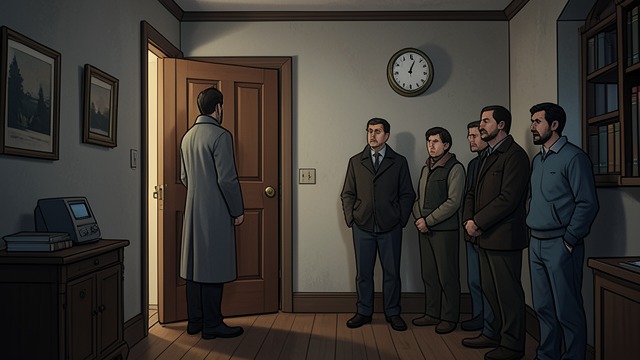
The ICRC sought to check conditions and deter abuse through private visits. Its approach depended on access and confidential dialogue rather than public confrontation.
A State That Could Refuse
Slahi says the United States could restrict access and did not change its practices in response to ICRC concerns. The organization’s presence therefore did not guarantee protection.
The Unresolved Lesson
The memoir respects the ICRC’s efforts while showing their limits when a powerful detaining state controls access. Humanitarian oversight can document and relieve suffering, but it cannot alone compel justice.
December 2001–July 2002
Summer 2003
September 2004
2004–2008
At the memoir’s present
