
The Public Story and the Secret Record
Guantanamo DiaryThis flow traces the gap between public depictions of Guantánamo prisoners and the documentary record of Slahi’s treatment and case.
increasing Bearing strength in each event
 decreasing
Bearing strength in each eventdecreasingThe Worst of the Worst

A Public Image Forms
Official Language
U.S. officials described the first detainees arriving at Guantánamo as exceptionally dangerous. Public rhetoric framed the camp as a place for the most threatening figures in the world.
A Different Reality
Contemporary reports suggested that many prisoners were not senior leaders. Slahi himself arrived later among a group whose members had widely varying circumstances.
A Label Takes Hold
The public image shaped how audiences interpreted detention before evidence was available. It made allegations of abuse easier to dismiss as claims by dangerous men trained to lie.
The Hearing Transcripts
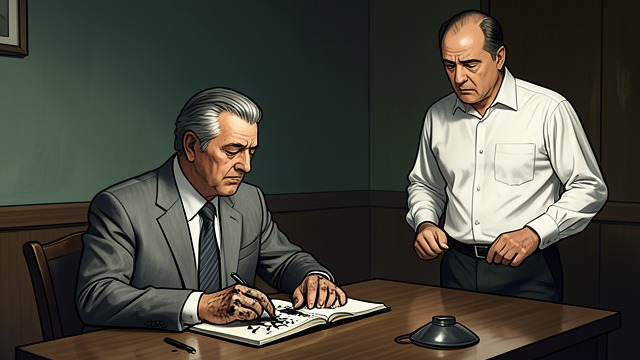
Detainees’ Voices Surface
Review Hearings
Transcripts from detainee review boards revealed prisoners describing their histories and treatment. Slahi said he did not wish to discuss the pressure used to obtain a confession.
A Missing Record
His 2005 hearing transcript was later absent from the publicly released set, even though he had described abuse. The official record itself became a site of secrecy.
A Contested Narrative
The transcripts challenged the assumption that every detainee was a trained liar. They made it possible to hear prisoners as people with individual stories rather than as a single category.
Declassified Evidence

Documents Confirm Abuse
Records Become Public
Freedom of Information Act litigation and official investigations released records about detention and interrogation. Some documents described Slahi’s treatment and the military’s planning for his interrogation.
Corroboration
The Senate Armed Services Committee inquiry and Justice Department reviews documented elements that matched Slahi’s account, including the forged threat involving his mother and discussion of hallucinations.
A Record Once Suppressed
The public record took years to emerge, but it made it harder to dismiss his narrative as unsupported. Documents that had been hidden became part of the evidence about institutional conduct.
A Misleading Editorial

Public Certainty Before Disclosure
A Harsh Accusation
A newspaper editorial called Slahi a major September 11 figure and criticized the judge’s release order without access to the full legal record. It treated guilt as settled despite the restricted information available to the public.
The Court’s Footnote
A declassified opinion explained that the government had abandoned its claim that Slahi aided September 11 and probably conceded he did not know about the attacks.
The Cost of Secrecy
The editorial’s certainty exposed how secrecy invites confident misinformation. When evidence and rulings are hidden, public commentary can turn a disputed case into an assumed fact.
A Memoir Enters the Record

Narrative Meets Documentation
The Book Appears
Slahi’s memoir reached readers after legal work and government review. Larry Siems edited the manuscript while preserving its voice and explaining where redactions shaped the text.
Two Kinds of Evidence
The memoir provided first-person scenes; public documents offered corroboration and context. Together they challenged the divide between personal testimony and official records.
Still Incomplete
Thousands of redactions remained, and Slahi could not participate in editing. Publication widened access to the story while making visible how much the public still could not see.
January 2002
2004–2006
2004–2009
March 2010
2012–publication
