
The Journey Home That Never Comes
Guantanamo DiaryThis flow traces home as a shifting destination in Slahi’s imagination, from the return to Mauritania to the memoir’s unresolved hope of release.
increasing Bearing strength in each event
 decreasing
Bearing strength in each eventdecreasingThe Planned Return

Home as a Destination
Leaving Montreal
Slahi left Canada because he wanted work, freedom from surveillance, and closeness to his family. His journey through Brussels and Dakar was intended to end in Mauritania.
Family Waiting
His brothers met him at the airport, and the reunion began before the arrest. The expectation of home was interrupted in seconds when agents seized him.
The First Displacement
The arrest turned a homecoming into a chain of custody. From that moment, return would be something controlled by governments rather than chosen by Slahi.
A Brief Return to Nouakchott

Home Again, Temporarily
Release and Reunion
After weeks of detention, Mauritanian authorities released Slahi and sent him home. His family gathered around him, and he resumed work and daily life.
Ordinary Happiness
He valued seeing his mother and helping his family. The simple routines of home became especially meaningful after the fear of arrest.
The Camel’s Warning
Slahi later used a proverb about a camel resting in two steps to describe the false sense of security. His release was only a pause before the next detention.
A Departure Without Farewell

Home Left Behind
The Call to Police
Slahi went voluntarily to the police station, telling his mother that he would return. He was secretly transferred to Jordan instead.
Family Kept Uninformed
His relatives continued to believe he was in a local prison. He could not call home or tell them where he had gone.
Home Becomes Memory
As the transfers continued, family life survived chiefly in recollection and prayer. Home was no longer a place he could reach by making a choice.
Home in Dreams and Letters
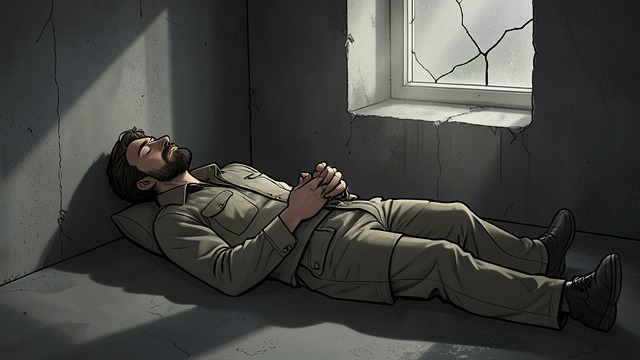
Imagined Reunion
Dreams of Rescue
In Jordan, Slahi dreamed that his family had rescued him and he was home. Waking in the cell made the contrast between imagined return and actual confinement devastating.
A Letter Arrives
A real message from his mother eventually reached him through the Red Cross. Its brief words restored a connection to home but could not bring him physically nearer.
Memory as Endurance
Family voices, food, and prayers became recurring inner refuges. They helped him hold onto a self that detention could not fully redefine.
A Homecoming Still Awaited
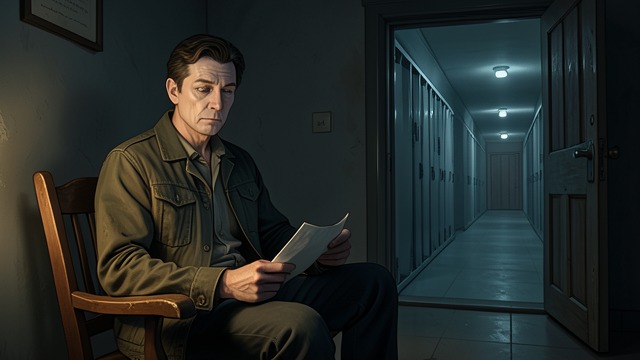
The Ending Remains Open
Release Ordered, Appeal Filed
A federal judge ordered Slahi released, but the government appealed and the case returned for rehearing. The legal system offered a possibility of homecoming without making it real.
Family Contact from Afar
Rare calls let him see and hear relatives, but his mother died before he could return. The loss made delay irreversible in ways that no future release could repair.
The Last Hope
The memoir imagines that one day the redactions will be removed and Slahi will revise the book himself. Homecoming remains both a personal hope and a test of whether justice can undo prolonged separation.
January 2000
February 2000
November 2001
2002–2004
2010–the memoir’s present
