
White’s Writing and Reinvention
H is for HawkWhite turns falconry and Arthurian fiction into linked attempts to bury an old identity and imagine a future self capable of teaching without violence.
increasing Bearing strength in each event
 decreasing
Bearing strength in each eventdecreasingThe Dream Diary
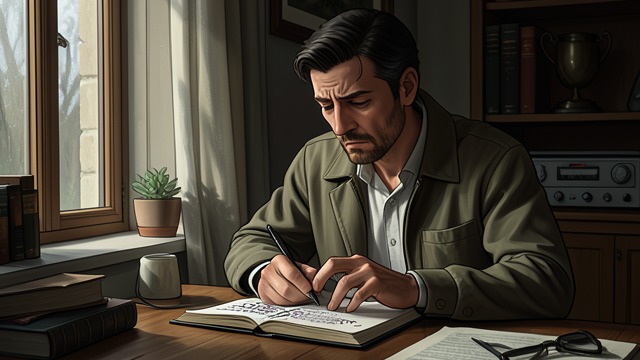
Writing for Survival
A Private Notebook
White records dreams, self-analysis, and anxieties in a notebook while still teaching at Stowe. He worries about failure, sexuality, and whether he can become the person he hopes to be.
A Book as Escape
He wonders whether writing about training a hawk might save him from his present life. The project promises both an exit and a way to examine himself.
The notebook reveals how closely his literary work is tied to private survival.
Killing the Old Self
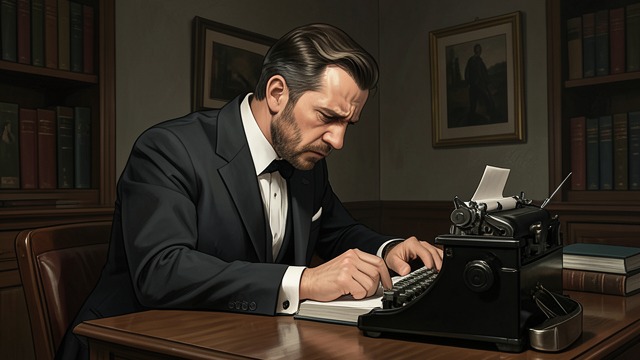
Dr Prisonface
A Disguised Target
White writes a satirical novel about a schoolmaster who is frightened, unsuccessful, and unreal. Its humiliations and failures echo the identity White wants to leave behind.
A Future Figure
The novel also imagines a freer man who has escaped the school and found a life in the country. White uses fiction to place pity beside the cruelty with which he attacks his former self.
Writing becomes a staged attempt at transformation.
The Wart’s Education
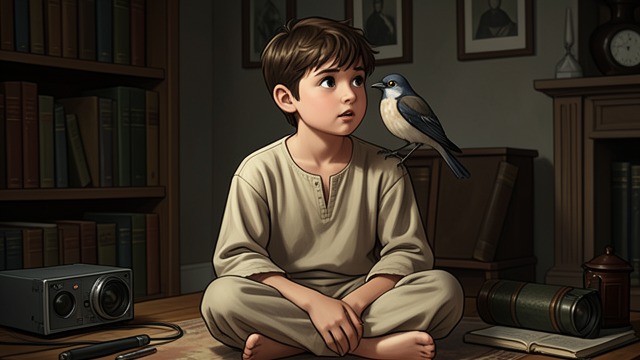
Teaching Without Beating
A Boy Recast
White writes the Wart as an orphan raised outside the brutal schooling he remembers. Merlyn teaches him through transformations into animals and encounters with other lives.
Power Questioned
The lessons prepare the boy to become King Arthur and to confront the use of power. The educational dream gives White a way to imagine instruction as humane rather than punitive.
The fiction answers a childhood wish without pretending that the answer was simple.
A Hawk’s Ordeal Revisited
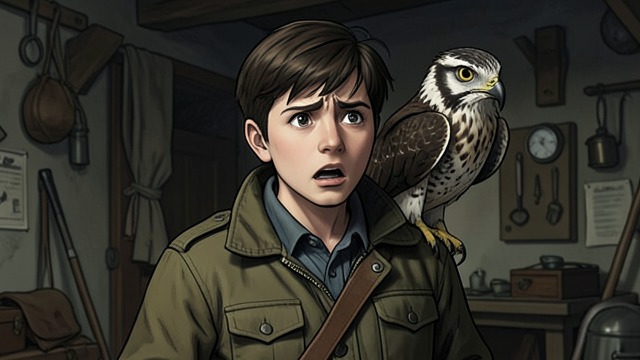
The Boy and the Hawk
An Imperilled Apprentice
The Wart faces a dangerous ordeal beside Colonel Cully, a goshawk consumed by fear and violent desire. The scene turns a training test into a question of survival.
Personal Conflict in Fiction
White writes through both the vulnerable boy and the dangerous bird. Their relationship gathers his own memories of school ordeals, authority, and the fear of harming others.
Fiction makes the conflict visible, though not fully resolved.
The Magician’s Future
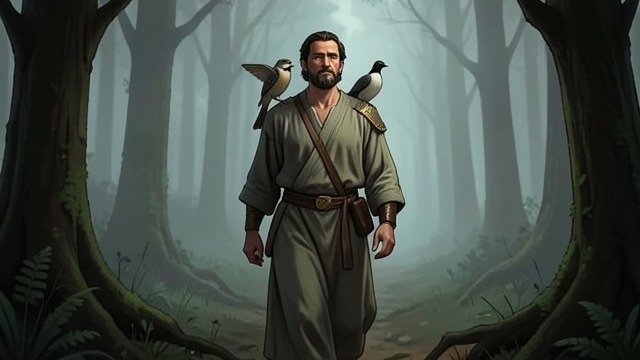
Merlyn at the Wrong End of Time
A Future Self
White imagines Merlyn living backward through time, already knowing what will happen to those around him. The magician can look like a version of White who has survived fear and acquired wisdom.
A Wish for Prevention
Through Merlyn, White imagines teaching Arthur to oppose might with right and perhaps stop violence before it begins. The future remains fictional, but the wish is deeply personal.
The literary reinvention gives his life a prophecy it could not otherwise possess.
March 1936, at Stowe School
during the writing of You Can’t Keep a Good Man Down
1937, as White begins shaping The Sword in the Stone
while White writes the Wart’s goshawk episode
in White’s later Arthurian writings
