
The Loss of the Old Country
H is for HawkHelen’s attention to wildlife reveals how nostalgia for a timeless rural England can conceal ecological depletion, migration, and layered histories of settlement.
increasing Bearing strength in each event
 decreasing
Bearing strength in each eventdecreasingA Landscape Built by Use
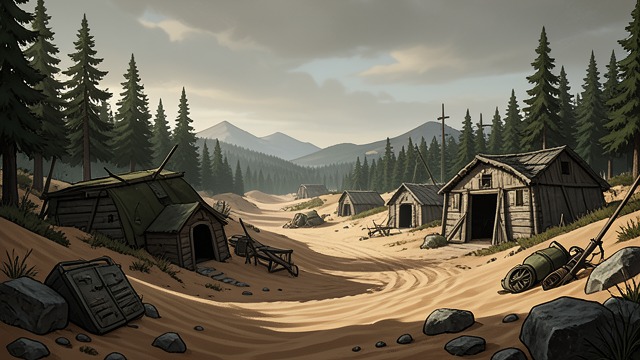
Countryside with a Past
Signs of Human Work
Pines, military installations, old warrens, flint, and shifting sands make the Brecklands a landscape of accumulated human activity. Its strangeness comes from industry, conflict, commerce, and environmental change.
Wildness Without Purity
Helen values the place because it is neither untouched nor orderly. Its wildness is real even though people have helped shape it.
The landscape unsettles the idea that nature begins only where human history ends.
The Deer’s History
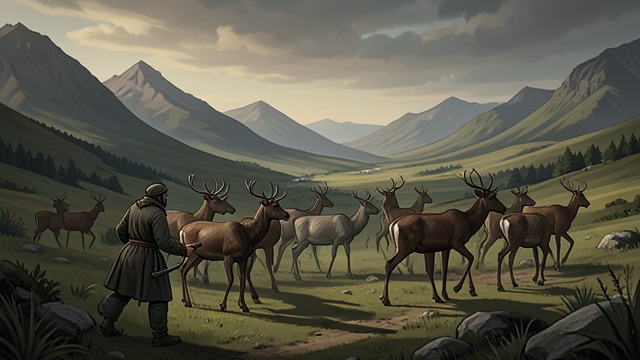
Animals with Arrivals
A Moment of Wonder
Helen watches fallow deer in a valley and feels the force of an apparently ancient landscape. Their movement seems at first to belong to an unchanging natural world.
A Longer Account
She remembers that deer, rabbits, and pheasants arrived through different histories of introduction, trade, and human management. Their presence is meaningful without being evidence of an untouched past.
The animals complicate any simple claim of native purity.
The Man’s Claim
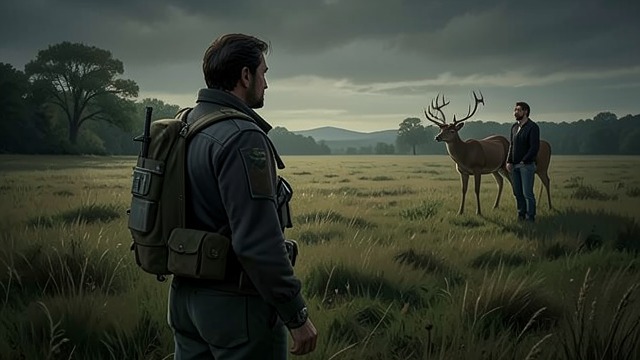
Old England Spoken Aloud
A Shared Sight
A local couple and Helen exchange familiar greetings and talk about the deer they have all seen. For a moment, knowledge of the place feels shared and generous.
A Political Turn
The man says the deer offer hope because they represent Old England despite immigration. Helen cannot find an answer before the moment passes.
The landscape’s beauty becomes a claim about who belongs.
A Country Made Empty
What the Fields Conceal
Absent Species
Helen thinks of birds and animals that once lived in the fields but have disappeared. Familiar hedges can mask a dramatic reduction in the life they support.
Agricultural Change
The countryside’s apparent continuity hides chemical use and ecological depletion. The older landscape people claim to defend is already gone in important respects.
Nostalgia can overlook the living systems that need protection now.
A Different Call to Defend
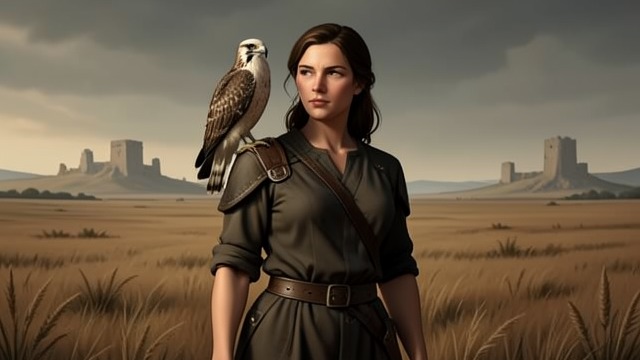
Fighting for Variety
Leaving the Myth Behind
Helen wishes people would defend landscapes for the diversity of life they sustain rather than for resemblance to an idealized past. Such defense requires attention to change, not a fantasy of purity.
Owning Her Own Flight
She also recognizes that she tried to escape history by retreating into falconry and the hawk’s world. Her withdrawal was not innocent merely because it felt wild.
The alternative is not purity, but accountable attention.
Helen’s early morning in the Brecklands
during Helen’s winter encounter with the herd
at the end of Helen’s winter walk
after Helen leaves the couple
near the end, during Helen’s reflection on rural history
