
Susanna’s Responsibilities
HamnetThis thread follows Susanna from a child’s frustration and grief to her role in managing the household and caring for the people around her.
increasing Bearing strength in each event
 decreasing
Bearing strength in each eventdecreasingThe Left-Behind Child

A Father Mostly Away
Susanna grows up with William visiting intermittently and writing from London. She sometimes wishes for plague closures because they would keep him home, then feels guilty for wanting such a disaster.
A Mother Shared
Agnes’s work brings a steady stream of visitors, leaving Susanna feeling that her mother belongs to the town as much as to her children. Susanna resents the interruptions and the chores they leave behind.
Early Independence
She learns to notice family moods and manage practical tasks while still longing for her father’s presence. The contrast between her responsibilities and her childhood need shapes her later role in the household.
Making a Crown
A New Sister-in-Law
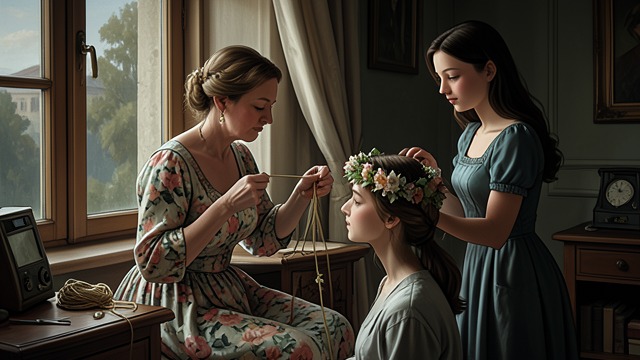
Eliza shares a bed with Agnes before the wedding and cautiously offers to make her a flower crown. Susanna is absent from the exchange, but Eliza’s welcome helps Agnes enter a household still grieving Anne.
A Place in the Ceremony
Eliza makes a crown from seasonal greenery and flowers, then helps Agnes prepare for a hurried wedding. The family gathers around a marriage that has come together through urgency and negotiation.
Family Begins Again
The gesture shows how care can come from a sibling rather than a mother. It also establishes a household relationship that will later matter as the family confronts illness and loss.
Grief in the Household
A Sister’s Witness
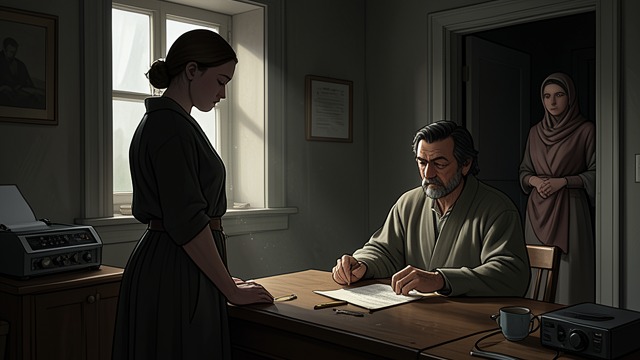
Susanna watches Hamnet’s illness and death from within the household. She sees the suffering directly and becomes angry at the helplessness of the adults around her.
Life Continues Unwanted
After the funeral, Susanna resents ordinary demands such as food, cleaning, and work. Their repetition feels almost offensive beside the fact that Hamnet is gone.
Leaving the Old Room
She moves to the grandparents’ house, unable to bear the reminders in the family home. Her departure is a practical response to grief, not indifference toward Agnes or Judith.
Taking the Household Keys

Management and Accounts
Susanna becomes responsible for the household keys, payments, servants, and business accounts. She reports rents and investments to her father and handles the practical work that keeps the family’s property organized.
A Role That Fits
Unlike Judith, Susanna is able to take up reading, counting, and administration. Those skills give her authority, though she feels that no one fully notices the weight of the responsibilities.
A Family’s Practical Center
Susanna becomes a link between Agnes’s healing work, William’s distant finances, and the running of the Stratford home. Her work provides stability while the family’s emotional life remains unsettled.
Listening to Judith
A Sister’s Question
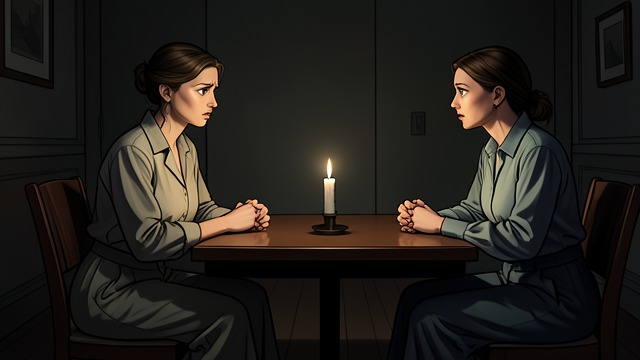
Judith asks whether William avoids visiting because she resembles Hamnet. Susanna is startled by the fear beneath the question and recognizes that the family’s silence has left Judith to invent painful explanations.
Naming Difference
Susanna tells Judith that the twins resembled one another but were not identical. She describes the distinctions she had always recognized, offering a concrete answer to Judith’s fear of being only a reminder of her brother.
Care Through Speech
The exchange gives Judith reassurance that she remains visible as herself. Susanna’s attentiveness becomes a form of care that balances the practical work she is expected to do.
Susanna’s early childhood
The morning before Agnes and William marry
The days after Hamnet’s death
As Susanna grows older
During Judith’s later childhood
