
The Argument Over Hamnet’s Name
HamnetThis thread traces Agnes’s changing response to William’s use of their son’s name, from perceived desecration to recognition of theatrical remembrance.
increasing Bearing strength in each event
 decreasing
Bearing strength in each eventdecreasingA Name at Home
Naming the Twins
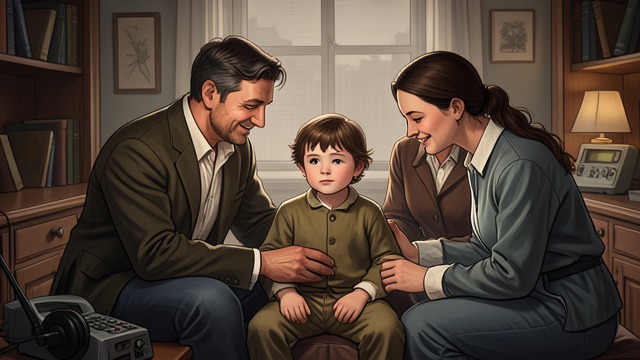
Agnes and William give their twins the names Hamnet and Judith. In the family, Hamnet is a particular child, known through his habits, voice, and place among those who love him.
Names as Attachments
Agnes’s experience of names is bound to the people who carry them. The thought that a name can be separated from its person will become painful after Hamnet’s death.
The Future Echo
The novel establishes the intimacy of Hamnet’s name before William uses Hamlet as a title. That distinction makes the later public repetition feel to Agnes like a change in ownership.
The Playbill Appears
A Public Title
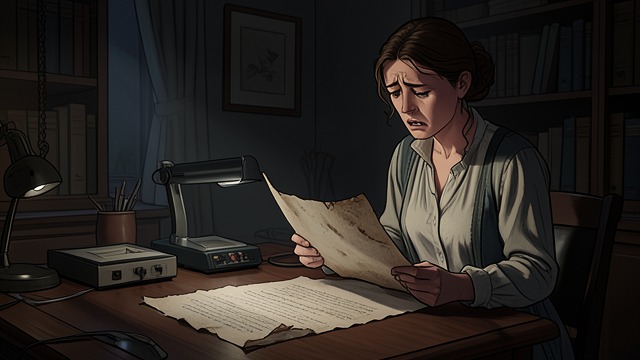
Joan brings Agnes a playbill from London. The name Hamlet appears in large type, alongside William’s name and the description of the work as a tragedy.
Private Loss Made Public
Agnes cannot accept the title as a neutral use of similar letters. Hamnet’s name belongs to her memory of the child whose body she buried, not to a story strangers can attend.
Anger Before Understanding
The playbill wounds Agnes because she does not know what the play means to William. Her first interpretation is that he has taken the name while refusing to share the loss that gives it meaning.
A Journey to Test Meaning

Refusing to Guess
Agnes travels with Bartholomew to see the play instead of relying on Joan’s account or her own assumptions. The journey is difficult, but she wants to know whether the title carries any message for her.
The Writer’s Room
William is absent when Agnes reaches his rented room. His unfinished letter to her suggests something unsaid, but does not tell her what he feels about Hamnet or the play.
An Answer onstage
Agnes crosses the river and enters the crowded theatre. She is prepared to challenge William through what he has written, yet she does not know that the work will change her understanding as she watches.
Hamlet Spoken Aloud

The Name in the Crowd
The actors repeat Hamlet’s name while speaking about a dead king and a ghost. Agnes hears it as if her child’s private name has been handed from person to person without care.
A Wound of Meaning
She wonders how William could write the name and place it inside a stream of public dialogue. The play’s words seem to threaten her bond with the child they identify.
An Interpretation Begins
When the young actor enters, Agnes notices that the play may be doing more than borrowing a name. The actor’s resemblance to Hamnet starts to change the question from why William named the play to what he is trying to make visible.
The Name Returned

A Son Embodied
Agnes sees the young actor as both a living performer and an image of Hamnet as he might have grown. She understands that William shaped the role to carry the child’s gestures and presence.
The Meaning Changes
Hamlet remains a fictional prince, but the play becomes a form through which William gives his dead son an afterlife in performance. Agnes’s anger gives way to recognition without ceasing to hurt.
Remembering Together
The ghost’s plea to be remembered reaches Agnes directly. The name is no longer merely taken from Hamnet; it becomes part of a shared attempt to keep him present in memory.
Before Hamnet’s illness
Almost four years after the burial
On the road to London
During the play’s first act
At the close of the performance
