
The Twins’ Shared Identity
HamnetThis thread traces the twins’ mirrored childhood, Hamnet’s attempt to exchange places with Judith, and the life Judith carries on after their separation.
increasing Bearing strength in each event
 decreasing
Bearing strength in each eventdecreasingTwo Faces of One Birth
A Shared Beginning
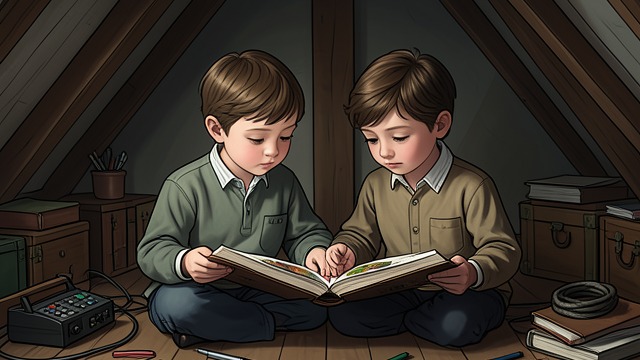
Hamnet and Judith are born minutes apart and resemble one another closely. Their family repeatedly mistakes one for the other when they exchange clothing or hide their faces.
Learning Together
William teaches them letters in the attic, and the twins share games, hiding places, and habits. Their closeness makes the family’s descriptions of them as mirror images feel grounded in everyday life.
A Bond Beyond Resemblance
The twins are not interchangeable in temperament, but they understand one another with unusual immediacy. Each becomes a constant presence against which the other experiences the world.
Sickness Separates Them
A Twin Notices
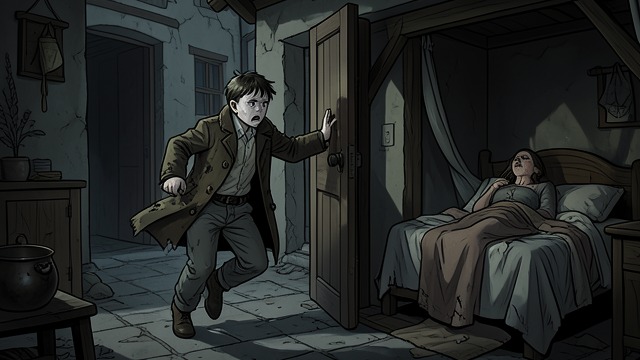
When Judith becomes feverish, Hamnet is the first to understand that she needs help. He leaves the house to search for an adult and then runs to the physician’s home.
Care Without Adults
The twins have spent the day together, and Hamnet’s urgency is intensified by the physical closeness that has defined their lives. He cannot imagine what to do while Judith lies alone.
The Roles Reverse
Hamnet, usually the child who wanders into thought, becomes the one acting decisively. His devotion takes the form of responsibility when Judith cannot care for herself.
The Last Exchange
Changing Places
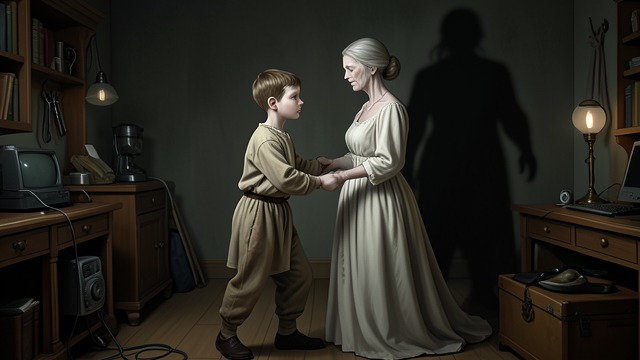
Hamnet lies beside Judith and believes their resemblance can trick death as it once tricked family members. He moves her aside and takes the place of the sick twin.
A Gift He Chooses
Judith understands what he is doing but is too weak to stop him. Hamnet asks her to keep his life, making his wish to protect her inseparable from the twins’ sense of shared existence.
An Irreversible Outcome
The childhood game cannot control death. Judith survives while Hamnet dies, turning playful identity exchange into a real and lasting separation.
A Twinless Question
No Word for It
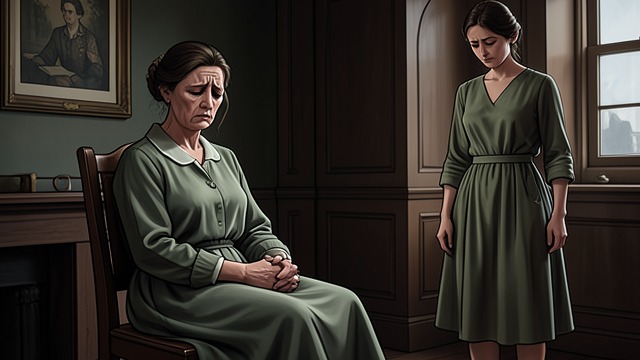
Judith asks Agnes what a person is called when their twin has died. She already knows words for a widow or an orphan, but neither describes her experience.
A Distinct Grief
Agnes cannot supply a name. Judith’s loss is not absorbed into her mother’s bereavement; it has its own shape and leaves Judith searching for language.
Keeping the Bond
Judith hears Hamnet in small noises and sees him in movements of animals and weather. These perceptions do not reverse his death, but they keep her sense of connection alive.
A Sister Sees the Difference

Fear of Resemblance
Judith worries that William avoids her because her face resembles Hamnet’s. The family’s silence about his visits gives her room to fear that she has become a painful substitute for her dead twin.
Susanna Reassures Her
Susanna describes the differences between the twins’ faces and explains that she always knew who was who. Judith is told that she remains recognizable as herself.
The Family’s Memory
The reassurance preserves both sides of the twins’ identity: their resemblance and their individuality. Their bond remains central, but Judith is not required to disappear into Hamnet’s memory.
The twins’ early childhood
The first day Judith falls ill
Before dawn during the plague crisis
After Hamnet’s burial
During Judith’s later childhood
