
Names, Memory, and Performance
HamnetThis thread explores how names, actors, and the theatre turn private grief into a public form that can be witnessed and remembered.
increasing Bearing strength in each event
 decreasing
Bearing strength in each eventdecreasingTwo Forms of a Name
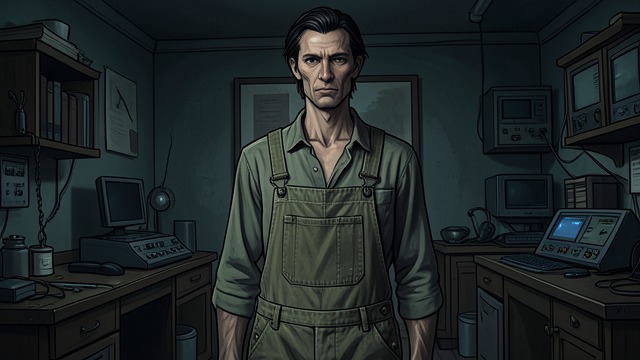
Hamnet and Hamlet
The novel notes that Hamnet and Hamlet were interchangeable forms of the same name in Stratford records. This detail allows the later play title to echo the dead child without making the two names identical in the family’s experience.
A Historical Possibility
William writes Hamlet four years after Hamnet dies. The chronology leaves room for a relationship between the loss and the play but does not turn that relationship into a documented certainty.
A Fictional Inquiry
The novel uses the name’s resemblance to ask how art can carry a person’s memory. Agnes’s reaction provides the emotional perspective that a biographical record cannot supply.
A Name Put on a Poster
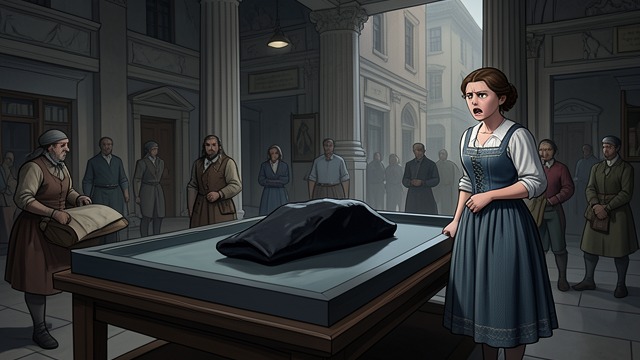
Print Makes the Name Public
Joan brings Agnes a playbill on which Hamlet is printed as the title of William’s tragedy. Agnes sees the name detached from the everyday child she remembers.
Ownership and Grief
The poster raises a question of who may use a dead child’s name. Agnes experiences the public title as a violation because she believes it contains none of the boy’s particular life.
The Reader’s Question
Her anger makes the audience share her uncertainty about William’s motives. The meaning of the play cannot be assumed from its title; Agnes must see what happens onstage before she can understand it.
The Actor as Double
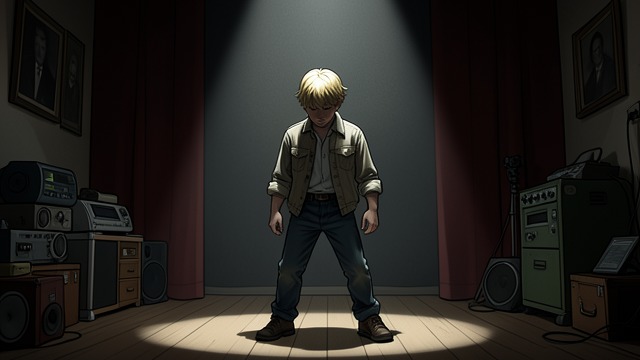
A Boy Made Visible
A young actor resembles Hamnet in his fair hair, gestures, and restless movement. Agnes sees the resemblance before she understands how William has shaped the performance.
Representation and Difference
The actor is not Hamnet and cannot restore him. He is a living performer whose body lets the audience imagine the young person Hamnet might have become.
Art’s Strange Power
The stage makes a dead child visible through an adult’s craft and a stranger’s performance. That transformation comforts Agnes and wounds her at once, keeping the boundary between likeness and identity unsettled.
A Father’s Voice
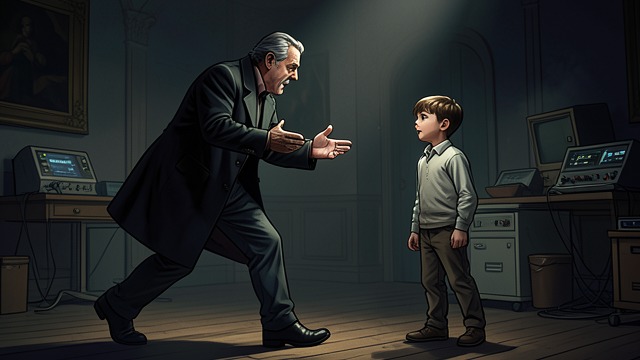
The Dead Father Appears
William performs the ghost of Hamlet’s father, speaking to the young prince onstage. Agnes recognizes the actor’s movements and hears in the dramatic encounter a father’s relation to a son.
An Imagined Exchange
She understands the scene as William’s attempt to place himself in danger so his son might live. The play converts an impossible wish—taking a child’s death onto oneself—into staged action.
Grief Made Dramatic
Performance cannot make the exchange true, but it gives the wish a form others can hear. William’s art becomes a way to speak indirectly about an intimacy he struggled to express in life.
The Command to Remember
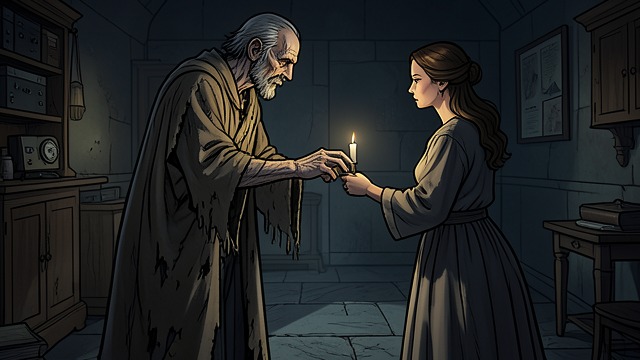
A Plea Across the Stage
The ghost turns toward Agnes and says, “Remember me.” His words reach her beyond the fictional plot because she has been watching for a sign of what William’s work means.
Memory Without Restoration
Agnes understands that the play does not return Hamnet to life. It gives his father a way to place the boy’s remembered presence into a form that can survive its maker’s private silence.
An Audience Made Witness
The theatre becomes a meeting point between family grief and public attention. The audience witnesses a story, while Agnes recognizes the personal loss carried inside it.
At the novel’s historical opening
Nearly four years after the death
During the performance of Hamlet
When the ghost speaks to Hamlet
The final moments of the play
