
Time, Loss, and What Remains
HamnetThis thread traces the novel’s insistence that life continues after bereavement, even as memory resists the passage of time.
increasing Bearing strength in each event
 decreasing
Bearing strength in each eventdecreasingThe Empty Afternoon
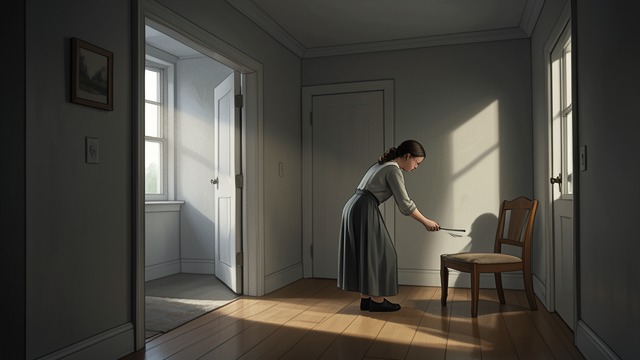
A Moment That Endures
Hamnet moves through the empty family homes looking for his mother, Judith, and the adults who usually fill the rooms. The ordinary afternoon becomes fixed in Agnes’s later memory as a moment of absence.
The Shape of Time
The narration shifts between Hamnet’s immediate confusion and the future knowledge of what this day will mean. The child experiences one event, while the adult world will remember it as a turning point.
A Life’s Center
The novel treats certain moments as an axis around which later memories gather. Hamnet’s search for help becomes one of the central images through which his family understands what happened.
The Bedside Vigil
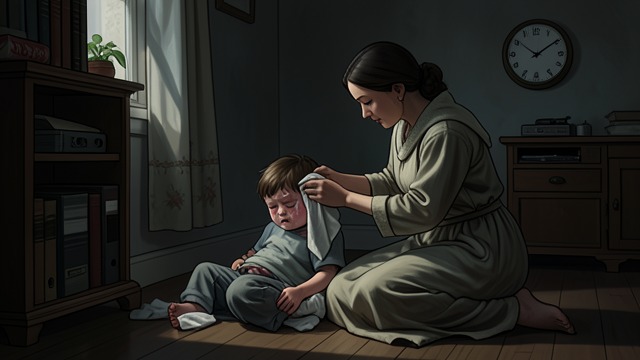
Hours That Cannot Be Recovered
Agnes watches Hamnet’s fever through the night, moving between hope, practical care, and fear. Each hour seems to offer another chance and also carries him nearer to death.
Time Under Pressure
The family’s ordinary sense of past and future collapses into the immediate question of whether Hamnet is breathing. The people in the room cannot imagine the life that will follow the final breath.
A One-Way Passage
After Hamnet dies, the household must move forward through washing, shrouding, and burial. The work makes time visible as something that cannot be reversed, no matter how fiercely Agnes wishes to undo what has happened.
The Body and Its Traces
A Body Changes
Agnes washes Hamnet and observes the marks, calluses, and scars that made his body familiar to her. She keeps a lock of hair and small debris from his head as physical remnants.
Memory in Detail
The careful description resists treating the dead child as an abstraction. Agnes remembers how he moved, studied, and lived through the particular surface of his body.
Letting Go by Caring
Preparing the shroud requires Agnes to cover the child she still wants to see. The material act of farewell asks her to relinquish what memory alone cannot keep.
A World That Continues
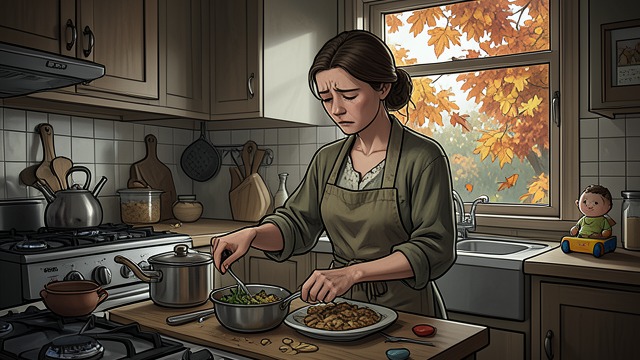
Seasons Without Hamnet
Summer ends and autumn arrives, although Hamnet will never experience it. Agnes finds the turning seasons almost insulting because they continue without acknowledging the child who is gone.
Repetition After Loss
Food must still be prepared, animals fed, and plants tended. The repeated tasks feel useless to Agnes, yet they keep her and her daughters connected to the demands of the living.
Change Without Closure
Time does not heal by erasing the loss. It changes the family’s routines and relationships while leaving Hamnet’s absence present in their daily lives.
A House Built Forward
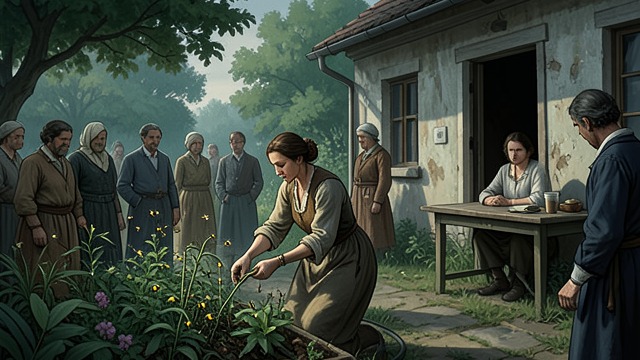
New Work Begins
Agnes establishes a garden, tends bees, and receives people seeking remedies. Susanna manages the household, while Judith remains close to her mother and the memory of Hamnet.
Past Within the Present
Agnes sometimes imagines Hamnet in the old family home, grown older and speaking at the table. The imagined life gives her a private refuge but does not replace the life that actually follows.
Living with What Cannot Return
The family’s new home gathers the living without making the dead disappear. The novel’s ending offers neither forgetting nor full recovery, but a future made from work, memory, and continued attachment.
The day Judith first becomes ill
The night of Hamnet’s death
The night Agnes prepares Hamnet for burial
The months following the burial
After the family settles into the new Stratford home
