
Touch, Nature, and Knowing
HamnetThis thread traces the novel’s alternative forms of knowledge through hands, herbs, animals, and the landscape beyond formal learning.
increasing Bearing strength in each event
 decreasing
Bearing strength in each eventdecreasingA Hand as a Landscape

Knowledge Without a Book
Agnes presses William’s hand and senses a complicated interior landscape. Her perception does not follow the tutor’s formal education, but it gives her a way to understand what he cannot easily explain.
The Body as Text
Throughout her life Agnes reads the pressure, warmth, and tension of hands. The body becomes a form of information that is intimate, changeable, and not fully governed by words.
Knowing Has Limits
Her gift lets her perceive fear and desire, but it does not let her control events. The distinction between insight and power becomes clearest when she cannot predict or prevent Hamnet’s death.
Plants as Practice
A Working Garden
Agnes learns plants through repeated handling, observation, and use. Her knowledge belongs to the practical world of healing, animal care, and seasonal work.
Against Dismissal
Others call her garden strange and her remedies suspicious. Agnes continues to collect, dry, and combine plants because she has seen their effects and understands the needs of those who visit.
A Different Authority
The garden gives Agnes expertise that is not bestowed by a school or a profession. It also makes her vulnerable to accusations of witchcraft when her knowledge exceeds what neighbors expect from a woman.
Animals as Companions
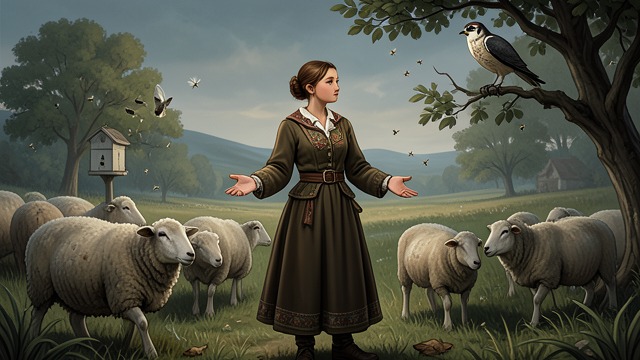
Living with Other Creatures
Agnes grows up among sheep, bees, and a kestrel, and later shares her home with cats and a squirrel. Animals appear as independent beings rather than simple symbols or possessions.
Attention Without Speech
She watches their movement and temperament closely, speaking softly to bees and understanding the kestrel’s different relation to earth and air. Such attention parallels her way of reading people.
A Wider Community
Animals give Agnes a sense of kinship beyond the human household. Their presence also links the novel’s intimate family story to the larger ecology through which both care and disease travel.
When Remedies Fail
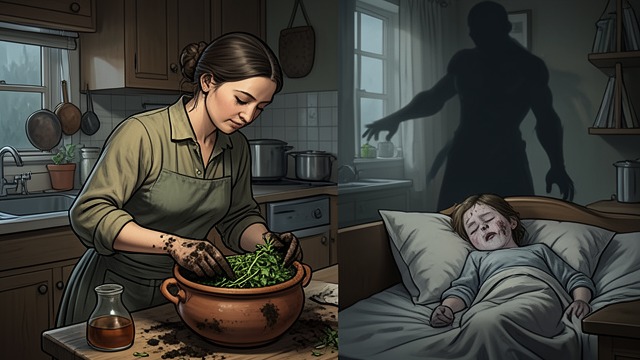
Knowledge Under Examination
Agnes knows the signs of plague and prepares herbs, poultices, and other treatments. When Hamnet becomes ill, she repeats her efforts with greater urgency.
A Limit Beyond Skill
The illness is stronger than her remedies, and Hamnet continues to worsen. Agnes concludes that the plants have failed, even though her care still provides comfort and dignity.
Expertise Reconsidered
The tragedy does not make Agnes’s knowledge worthless. It forces her to distinguish between easing suffering and possessing the power to prevent death, a distinction she had hoped not to face.
Knowledge after Grief
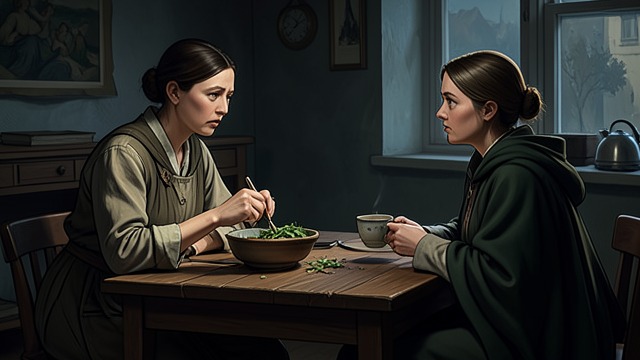
Work Resumes Slowly
Agnes eventually makes a remedy for a woman with aching joints, though she initially refuses most people who come seeking help. Her return to the work is hesitant and uneven.
Care Without Promise
She does not claim to know how to prevent every illness or to retrieve the dead. Instead, she offers relief where she can and accepts food or practical kindness rather than insisting on payment.
A Changed Practice
Healing becomes less a demonstration of Agnes’s gift than a daily act of care. Her knowledge survives grief, but it no longer carries the fantasy that enough skill can protect a family from every loss.
Agnes’s first encounter with William
Agnes’s early years at Hewlands
From Agnes’s childhood through the family years
During the plague crisis
After Agnes reopens her remedies to visitors
